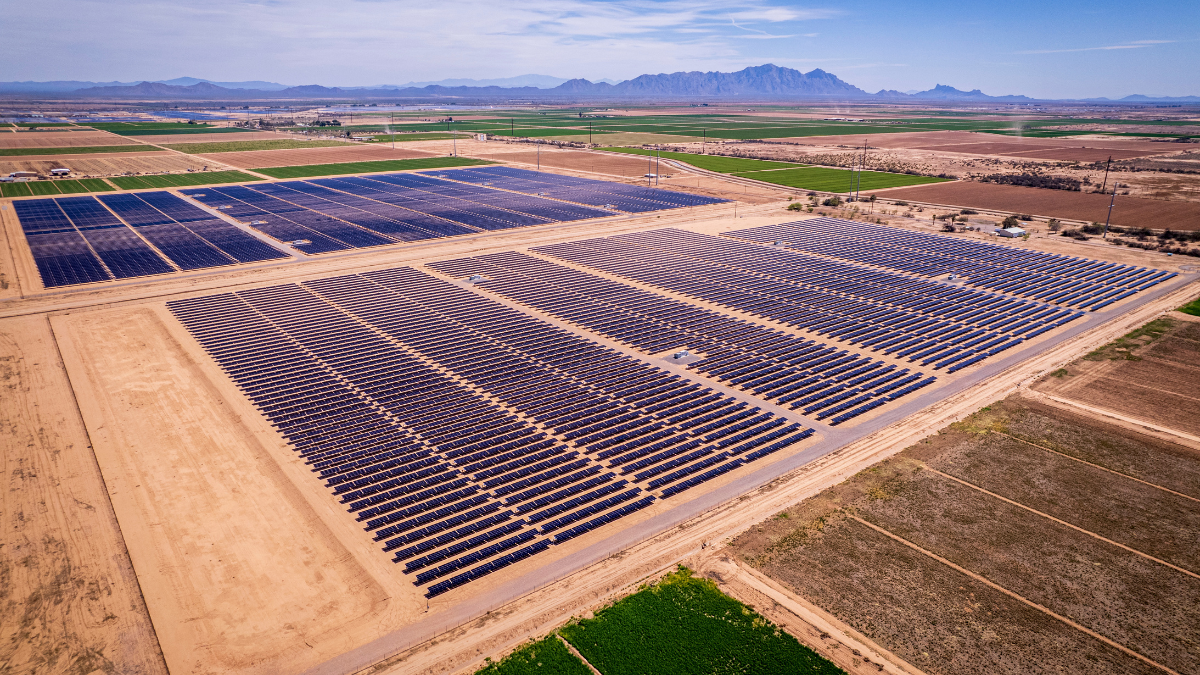
The initiative includes the 690 MW Turner River Solar Farm and a 650 MWh battery system, aiming to eliminate fossil fuel use by 2030 and enhance operational efficiency.
Why it matters: Industrial decarbonization is no longer a PR exercise; it’s a survival strategy against upcoming EU CBAM regulations and volatile energy prices.
The 'Real Zero' Litmus Test
While European C&I projects often get bogged down in grid connection queues and 'net-zero' accounting tricks involving dubious offsets, Fortescue is showing us what actual decarbonization looks like. The 690 MW Turner River Solar Farm paired with a 650 MWh BESS isn't just a headline-grabbing ESG play; it’s a cold-blooded hedge against fuel price volatility. For an installer in Germany or the Netherlands, the scale might seem remote, but the logic is identical: industrial clients are moving from 'saving the planet' to 'saving the margin.'
The CBAM Pressure Cooker
Why should a developer in Poland or Italy care about a mine in the Pilbara? Because of EU Regulation 2023/956—the Carbon Border Adjustment Mechanism (CBAM). As Fortescue decarbonizes its supply chain, it gains a massive competitive advantage in the European market. Any EU industrial player failing to achieve similar 'behind-the-meter' autonomy is going to be eaten alive by imports that have already paid their 'green dues.' We are seeing the death of the 100kW rooftop project being the pinnacle of C&I; the new standard is integrated, high-duration storage that keeps the kilns running when the sun goes down.
Operational Reality vs. Spreadsheet Dreams
I've seen enough 'hybrid' projects to know that the nearly 1:1 ratio of solar MW to storage MWh (690MW/650MWh) is the 'sweet spot' for heavy industrial loads. It's not about 24-hour autonomy—that's still too expensive for most. It's about clipping the peaks and smoothing the transition to backup generators. If you’re pitching a project to a European manufacturer today without at least a 0.5C to 1C battery ratio, you’re selling them a legacy system that will be obsolete by the time the first inverter is commissioned.