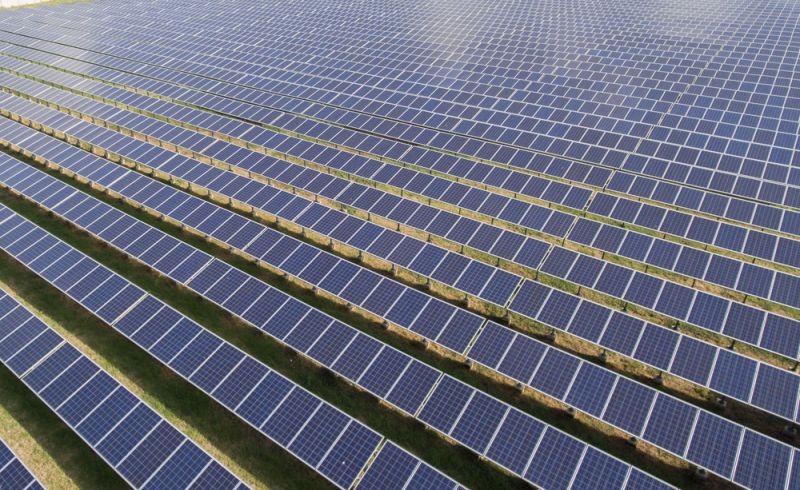
The mezzanine financing will support an 11-project solar portfolio totaling nearly 200 MW.
Why it matters: The IRA's gravitational pull is stripping Europe of its mid-cap developers; if you aren't looking at US partnerships, you're missing the easiest capital of the decade.
While German politicians pat themselves on the back for the Solarpaket I, the real action for mid-sized German developers is increasingly happening 7,000 kilometers away. Hep Global’s move to secure mezzanine financing from FH Capital for a 200 MW US portfolio isn't just another expansion—it’s a vote of no confidence in the speed of the European energy transition.
The IRA Gravitational Pull
Let’s be blunt: The Inflation Reduction Act (IRA) has created a vacuum that is sucking talent and capital out of Baden-Württemberg and into states like Virginia and South Carolina. When a developer can bank on a 30% Investment Tax Credit (ITC)—potentially rising to 70% with domestic content and energy community bonuses—the math for a 200 MW portfolio becomes significantly more attractive than fighting for grid access in the Netzagentur’s latest auction round.
The Mezzanine Signal
The use of mezzanine financing here is the specific detail that should catch your eye. It tells us that Hep Global is moving fast. Mezzanine debt sits between senior debt and equity; it’s more expensive, but it allows for higher leverage and faster deployment. In the US, where the interconnection queues are just as nightmarish as in the EU, having this kind of flexible capital is the only way to keep 11 projects moving simultaneously without diluting the parent company into oblivion.
For the European installer or developer, this news is a reminder that your biggest competition for capital isn't the guy down the street—it's the American tax code. If you’re not building a bridge to US-based project pipelines or finding a way to match those 20-year certainty profiles here in Europe, you’re playing the game on hard mode.