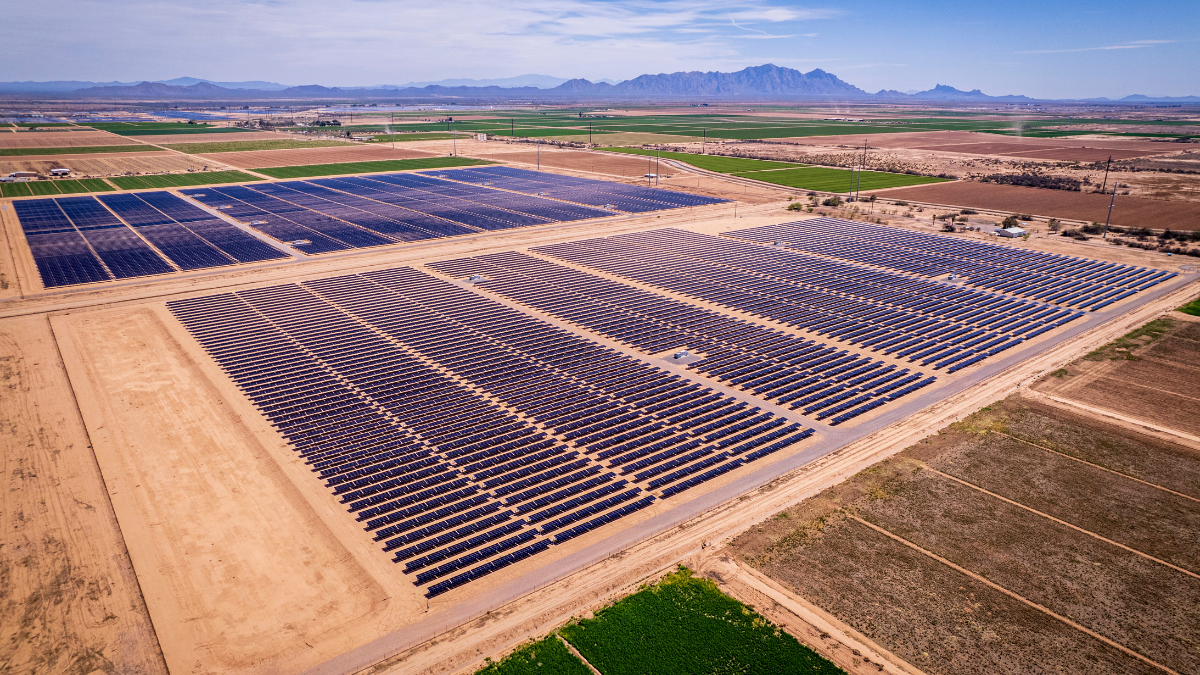
NLC India Limited has announced a tender for arranging 1500 acres of land in Gujarat for large-scale Solar PV projects, aiming to enhance renewable energy.
Why it matters: Massive Indian utility-scale tenders are the primary reason your Tier 1 module delivery dates remain volatile and why global supply chains ignore small-scale European installers.
While European developers are busy fighting for single-hectare plots in the Dutch polders or navigating the labyrinthine permitting of Brandenburg, NLC India is out here looking for 1,500-acre blocks in Gujarat like they’re shopping for groceries. This isn't just another regional tender; it’s a signal of the sheer scale of the appetite that will continue to dictate global module pricing through 2026.
The Module Tug-of-War
For a solar professional in Germany or Spain, this news should trigger a look at your procurement calendar. When state-owned giants like NLC (formerly Neyveli Lignite Corporation) move to lock in land for 100MW+ clusters, they aren't just securing dirt—they are signaling a future 500MW to 1GW module order. This keeps Tier 1 manufacturers like Jinko Solar and Trina Solar prioritized on high-volume Indian contracts, often at the expense of the smaller, fragmented European C&I market. If you think module prices have bottomed out, remember that India’s 280GW solar target by 2030 creates a massive floor for global demand.
Permitting: A Tale of Two Speeds
The tender requirement for bidders to fulfill all permit responsibilities is a standard move, but the speed of execution in Gujarat is what should haunt European regulators. We are seeing projects of this scale move from tender to commissioning in 18-24 months. In contrast, the EU’s Renewable Energy Directive (RED III) aims to fast-track "acceleration areas," yet we still see project lead times exceeding five years in many member states. India is proving that land banking is the ultimate competitive advantage; if you don't control the land, you don't control the timeline.
The ALMM Factor
Keep a sharp eye on India’s Approved List of Models and Manufacturers (ALMM). As India aggressively scales these land-intensive projects, they are simultaneously trying to shut out Chinese modules. If India successfully fills this 1,500-acre pipeline with domestic Indian modules, the surplus Chinese capacity will have nowhere to go but the European ports of Rotterdam and Antwerp. This could lead to another round of brutal margin compression for EU-based module assemblers while offering a short-term gift to installers.