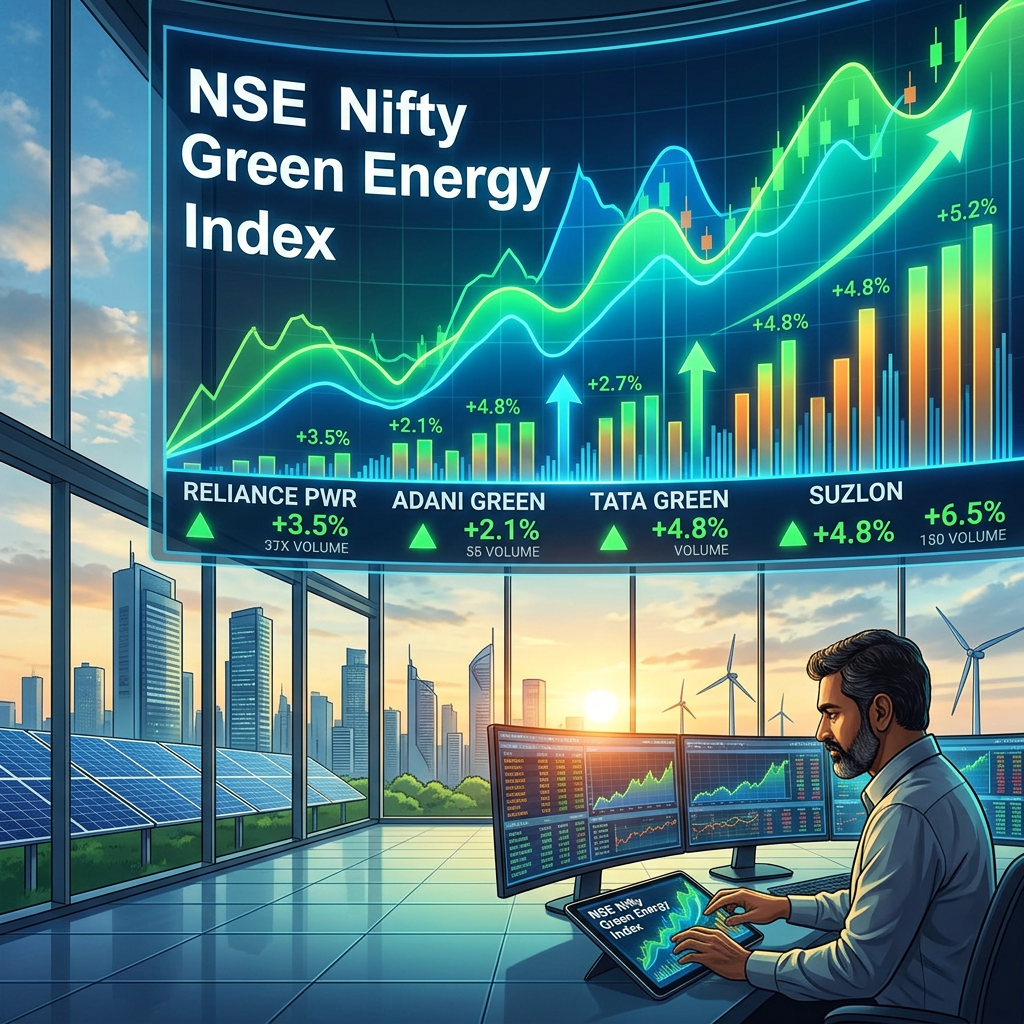
The S&P BSE SENSEX rose 1.42%, ending at 76,488.96, led by strong performances from companies like Amara Raja Energy & Mobility and Insolation Energy.
Why it matters: India is positioning itself as the primary alternative to Chinese hardware; if you haven't vetted an Indian vendor yet, you're already behind the curve.
If you think a rally on the Mumbai exchange is just noise for your installation business in Essen or Lyon, you’re missing the forest for the trees. The surge of players like Insolation Energy and Amara Raja isn't just a local success story; it’s the sound of the global solar supply chain shifting its center of gravity away from a pure reliance on China.
The 'China+1' Procurement Reality
European developers have been caught in the crossfire of trade spat after trade spat. We’ve seen the panic when Chinese modules sit in Rotterdam warehouses due to forced labor audits. India is positioning itself as the high-volume, bankable alternative. When companies like Insolation Energy see their stock soar, it means they have the CAPEX to scale their TopCon and HJT production lines. For a mid-sized EPC in the EU, this means more leverage in your 2027 procurement contracts. You aren't just buying a panel; you're buying a hedge against geopolitical risk.
The Storage Play: Beyond CATL
Amara Raja’s performance is particularly telling. As they pivot from lead-acid legacy to massive Giga-scale LFP (Lithium Iron Phosphate) production, they are coming for the European C&I storage market. We’ve all dealt with the three-month lead times and the 'take it or leave it' support from the major Chinese BESS brands. A well-capitalized Indian battery sector introduces much-needed competition. If I’m planning a 2MW storage project in 2026, I’m looking at Indian OEMs who are now flush with market capital to build out European support offices.