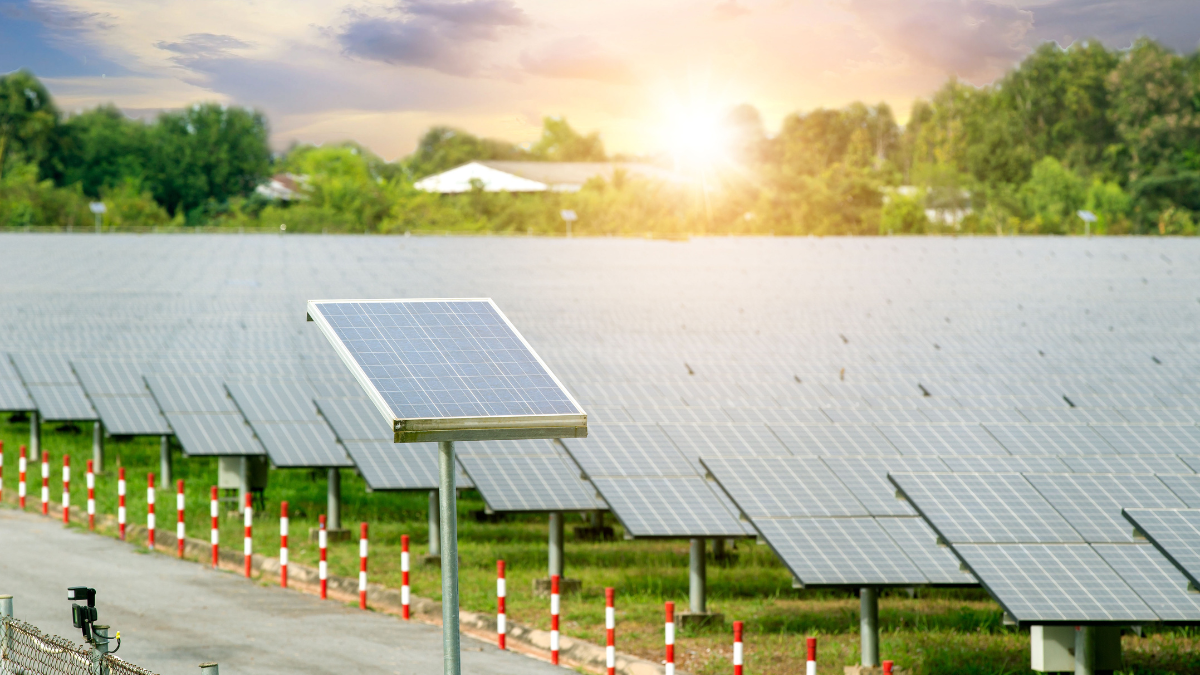
In April 2025, peak demand hit 19,011 megawatts, contrasting with lower demand in cooler months.
Why it matters: Don't let heat derating kill your ROI—specify N-type modules and storage to capture the inevitable summer cooling peaks that standard PV misses.
The Temperature Coefficient Trap
While the Philippines' 19,011 MW peak might seem a world away, it’s a cautionary tale for developers in Andalusia, Sicily, or the Algarve. We often sell solar on the promise of "more sun, more power," but the reality is a cruel inverse. As temperatures climb, the physical efficiency of standard PERC modules drops significantly. When a grid is screaming for power to keep air conditioners running, a utility-scale plant can see massive thermal derating.
The Tech Pivot: N-Type or Bust
If you're still quoting P-type mono PERC for projects in high-heat zones, you're building in a performance deficit. The market is shifting to N-type TopCon and HJT (Heterojunction) for a reason: temperature coefficients as low as -0.25%/°C. In a 40°C+ ambient environment, that delta isn't just a rounding error; it’s the difference between meeting your P90 yield estimates and triggering underperformance penalties in a strict corporate PPA. If you're building in Southern Europe, the Philippines' struggle proves that heat tolerance is now more valuable than raw STC wattage.
Why Storage Is the Only Heatwave Hedge
The AboitizPower report highlights a decline in renewable output during these peaks—likely a combination of low wind and hydro evaporation. This is the BESS (Battery Energy Storage Systems) moment. In the EU, we talk about the "duck curve," but in tropical and Mediterranean climates, the real monster is the "cooling tail." Demand stays high long after the sun sets as buildings bleed heat. If you aren't bundling a 2-hour or 4-hour LFP (Lithium Iron Phosphate) solution with your C&I proposals, you’re leaving the most profitable part of the load profile to the fossil fuel incumbents.