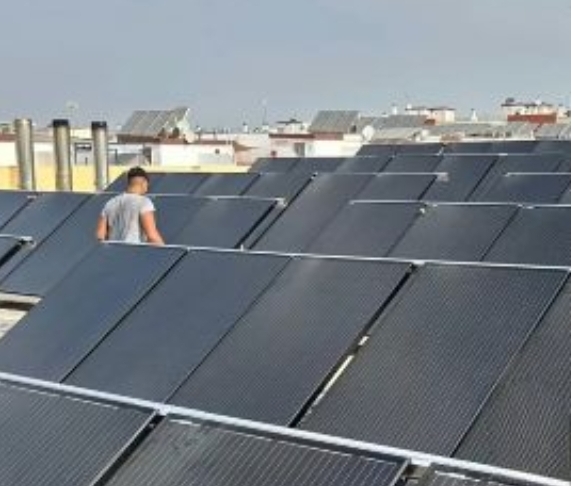
El Ayuntamiento de Puente Genil ha puesto en marcha tres sistemas fotovoltaicos para autoconsumo —en Egemasa, el Mercado de Abastos y la Piscina Cubierta— que suman más de 88 kW de potencia instalada y un presupuesto conjunto de 185.871 euros.
Why it matters: Municipal tenders are paying a 100% premium over private sector rates—if you can handle the bureaucratic paperwork, there is serious margin to be found in local town halls.
The 'Public Sector Premium' is Killing Efficiency
Let’s look at the math in Puente Genil. €185,871 for 88 kWp. That’s roughly €2,112 per kilowatt peak. In a market where C&I rooftop projects in Spain are regularly being delivered for under €900/kWp, this budget feels like a relic from 2018. If you’re an EPC developer looking at these municipal tenders, don't get blinded by the high headline price; it is a direct reflection of the bureaucratic friction and the 'NextGenEU' inflation currently plaguing the Spanish market.
The Load Profile Sweet Spot
While the pricing is questionable, the site selection is textbook. The Piscina Cubierta (Indoor Pool) and the Mercado de Abastos (Central Market) are the holy grails of self-consumption. Why? Because their demand curves are almost perfectly synced with solar production. Markets need refrigeration most when the sun is hottest, and pools have constant pump filtration cycles that provide a flat baseload. For installers, these are the 'low hanging fruit' projects you use to build a local portfolio, but the real long-term revenue isn't in the 88kW installation—it’s in the O&M contracts that follow for these critical public facilities.
Navigating the IDAE Maze
Most of these projects are fueled by IDAE (Instituto para la Diversificación y Ahorro de la Energía) grants. The paperwork required to justify these expenditures often adds 15-20% to the project cost in man-hours alone. If you are a small installer trying to break into the public sector in Andalusia, your biggest hire shouldn't be another lead roofer; it’s a dedicated grant administrator. Without one, the seemingly 'fat' margins on these €2,100/kWp projects will evaporate into a cloud of administrative back-and-forth before the first module is even clamped down.