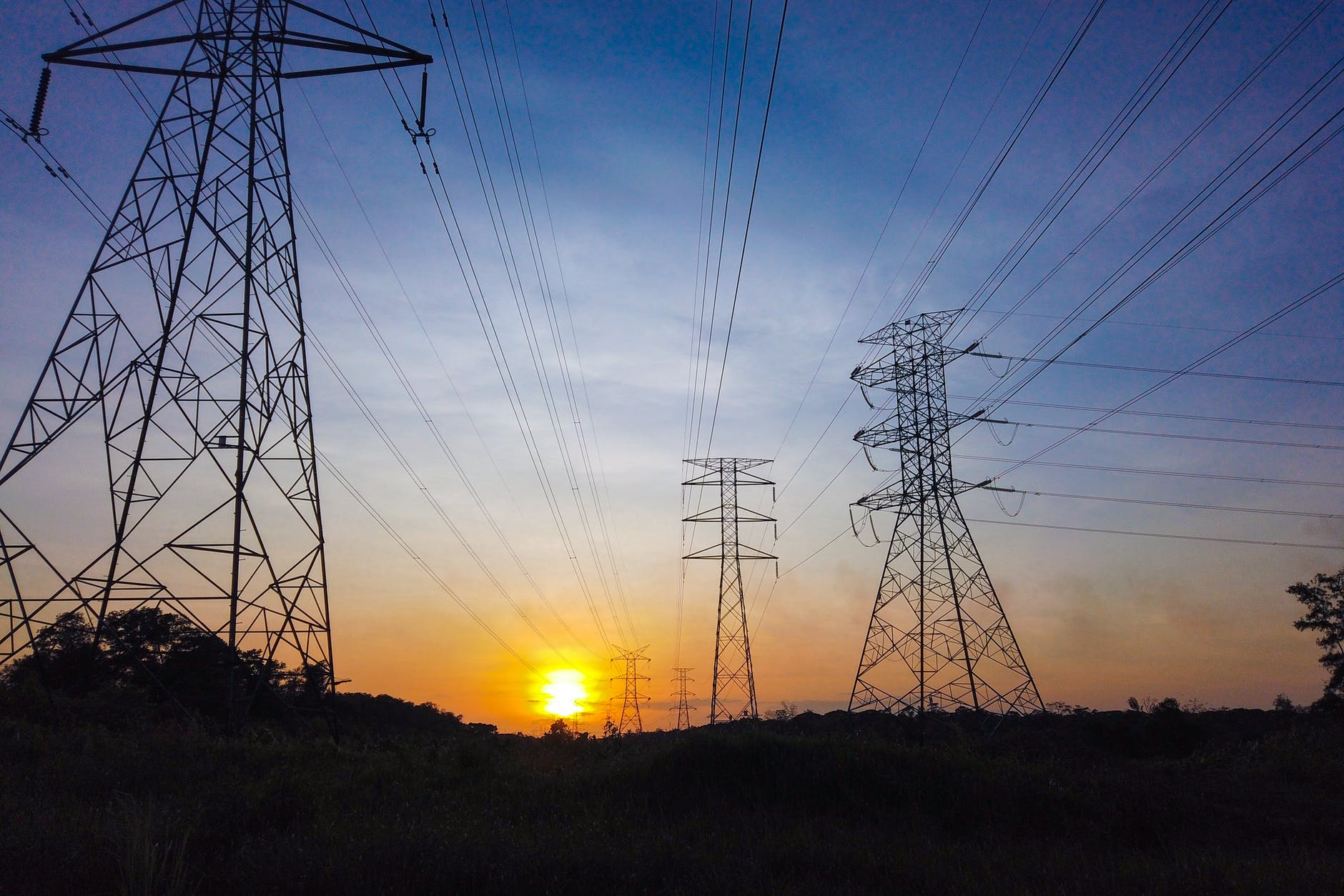
The Rajasthan Electricity Regulatory Commission approved a Rs. 6,312.20 crore investment plan for RVPN in 2026-27 to enhance transmission infrastructure amid rising electricity demand.
Why it matters: If you think grid congestion in the Pfalz or Andalusia is bad, watch Rajasthan—where the sun is free but the wires are a billionaire’s toll road.
While some might dismiss a €700 million (₹6,312 crore) transmission play in India as "local news," it is actually a diagnostic x-ray of the global solar industry’s biggest failure: The Copper Bottleneck. Rajasthan is the crown jewel of Indian solar, boasting over 20GW of installed capacity, yet developers there are currently suffocating. They have the land and the irradiance, but their projects are increasingly becoming stranded assets because the state utility, RVPN, can’t move the electrons.
The Curtailment Monster Comes for Everyone
European developers in markets like Spain or the Netherlands should be watching this with a sense of dread. We are seeing the same pattern: a massive surge in generation followed by a desperate, reactive scramble to upgrade the grid. In Germany, TenneT is screaming for €15 billion in equity just to keep pace. Rajasthan’s investment is a classic case of "too little, too late." When a regulator has to implement "accountability measures" and disallow certain expenditures, it’s a signal that the TSO is already underwater. For an EPC, this isn't just a infrastructure story; it’s a margin story. If the grid isn't ready, your commissioning gets delayed, and your IRR vanishes while you wait for a substation that’s still on a bureaucrat’s desk.
I’ve seen this play out in the Puglia region of Italy and across the Spanish interior. You can't outbuild a bad grid. Rajasthan’s move to spend big in 2026-27 is a frantic attempt to avoid a total solar standstill. If you’re planning a project in a high-penetration zone in Europe, stop looking at your panel efficiency and start looking at the local TSO’s five-year capex plan. If it doesn't look like this RVPN plan, your project is a paperweight.