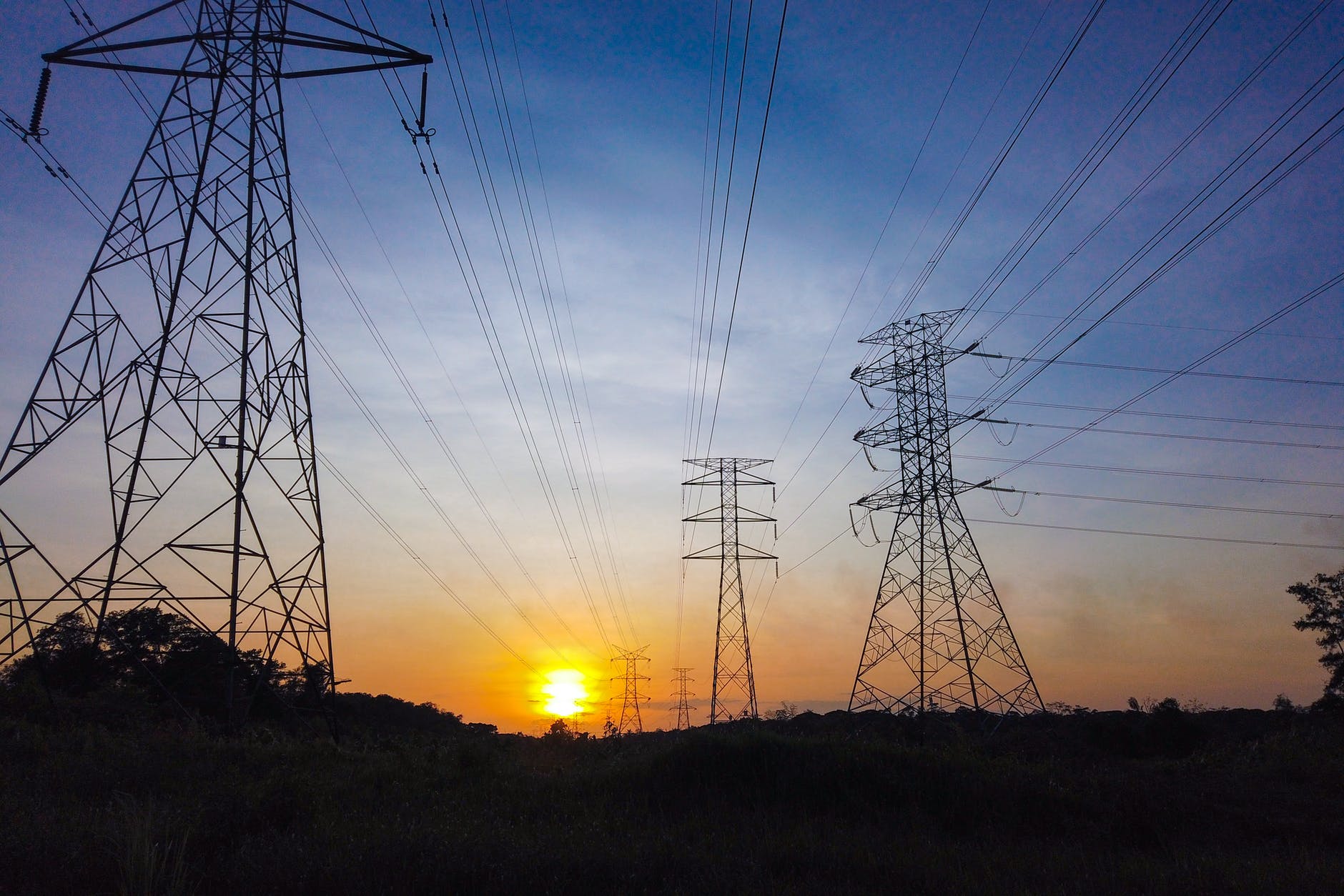
The projects involve a 132/33 kV grid substation and 220 kV transmission lines, set for completion in 15 months.
Why it matters: While you’re waiting 48 months for a grid connection in Brandenburg, Rajasthan is building entire substations in 15 — grid capacity is the only currency that matters now.
While European developers are busy crying into their beer about grid connection queues that stretch into the 2030s, Rajasthan is quietly showing us what a "grid-first" strategy looks like. K2 Infragen just bagged a ₹56.91 crore (roughly €6.3 million) contract for a 132/33 kV substation and 220 kV lines. The kicker? A 15-month completion timeline.
The Speed Gap
In the Netherlands or Germany, try getting a 132 kV substation permitted, let alone built, in under three years. You can't. We have the capital and the technology, but we lack the industrial urgency. Rajasthan is the Andalusia of India—high irradiance, high ambition, and a desperate need to evacuate power to industrial hubs. They aren't waiting for the solar projects to finish before thinking about the wires; they are building the capacity as a prerequisite for growth.
The Cost Reality Check
For an EPC in Portugal or Poland, that €6.3 million price tag for a substation and transmission lines should be a wake-up call. Indian infrastructure players like K2 Infragen are operating with lean margins and hyper-efficient execution cycles. As European T&D (Transmission & Distribution) giants like TenneT or REE struggle with massive backlogs, don't be surprised if these Indian mid-cap infrastructure firms start eyeing the European market for specialized EPC sub-contracts. We need their speed.
The signal is clear: The solar boom is no longer about who can buy the cheapest LONGi or Jinko modules; it’s about who can get the electrons to the grid before the project IRR dies of old age.