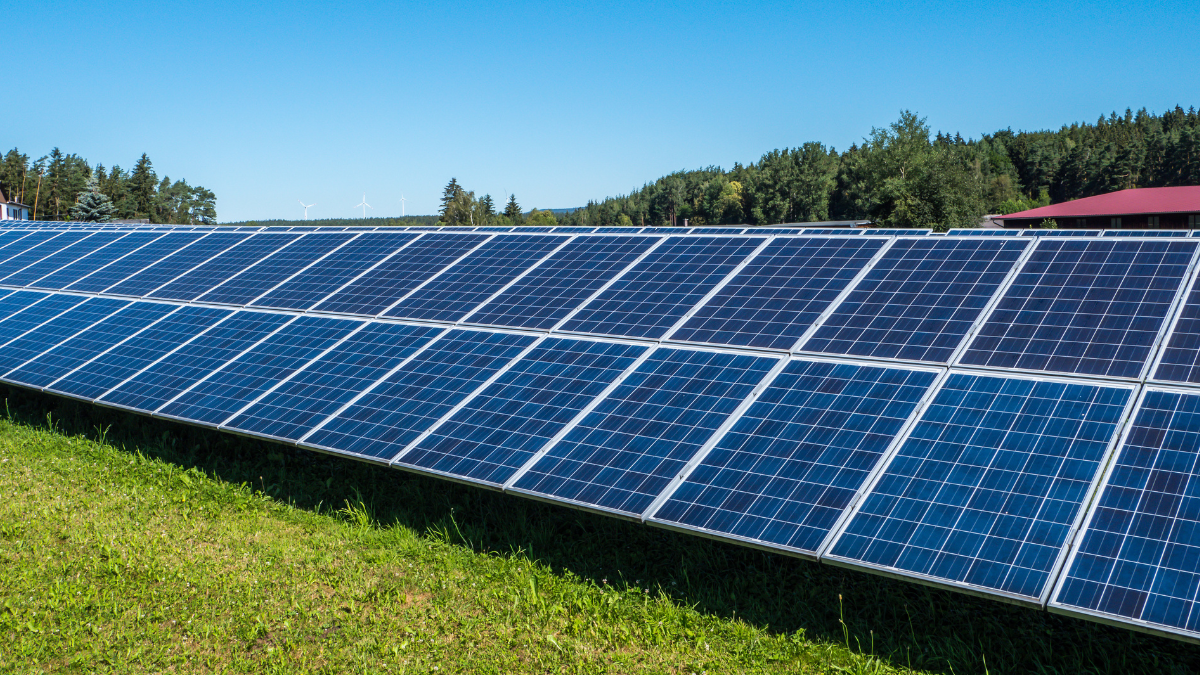
The project entails a battery storage system for enhanced grid reliability, reflecting RWE's commitment to renewable energy and community involvement in local development.
Why it matters: RWE is turning legacy coal liabilities into solar assets with built-in grid priority; ignore their brownfield playbook at your own risk.
The Reuse of 'Dirty' Infrastructure
RWE building 16.5 MW in the Hambach mine isn't about the raw capacity—that’s barely a rounding error on their balance sheet. It’s a strategic land-use masterstroke. For years, the Rhein-Erft district has been the frontline of Germany’s coal wars. By dropping 25,300 panels into a literal hole in the ground, RWE is solving the industry's biggest bottleneck: Permitting and Public Acceptance. When you build on a former lignite site, the 'NIMBY' factor evaporates because you are technically 'healing' the landscape.
The Grid is the Real Prize
While local installers are fighting for 750kWp rooftop permits or struggling with 20kV transformer lead times, RWE is sitting on top of massive, pre-existing high-voltage infrastructure. The Hambach site already has the 'pipes' to move gigawatts of power. Adding a BESS (Battery Energy Storage System) to this 16.5 MW array is less about 'grid reliability' and more about arbitrage and ancillary services. In the German market, where negative pricing is becoming a lunch-break standard during peak PV hours, a standalone PV plant is a liability. A PV+Storage plant in an old mine is a printing press.
Don't be fooled by the modest 16.5 MW headline. This is RWE testing the operational template for thousands of hectares of lignite land. If you're a developer in the Rhein-Ruhr region, you aren't just competing with other solar firms; you're competing with legacy giants who own the ground and the grid connections.