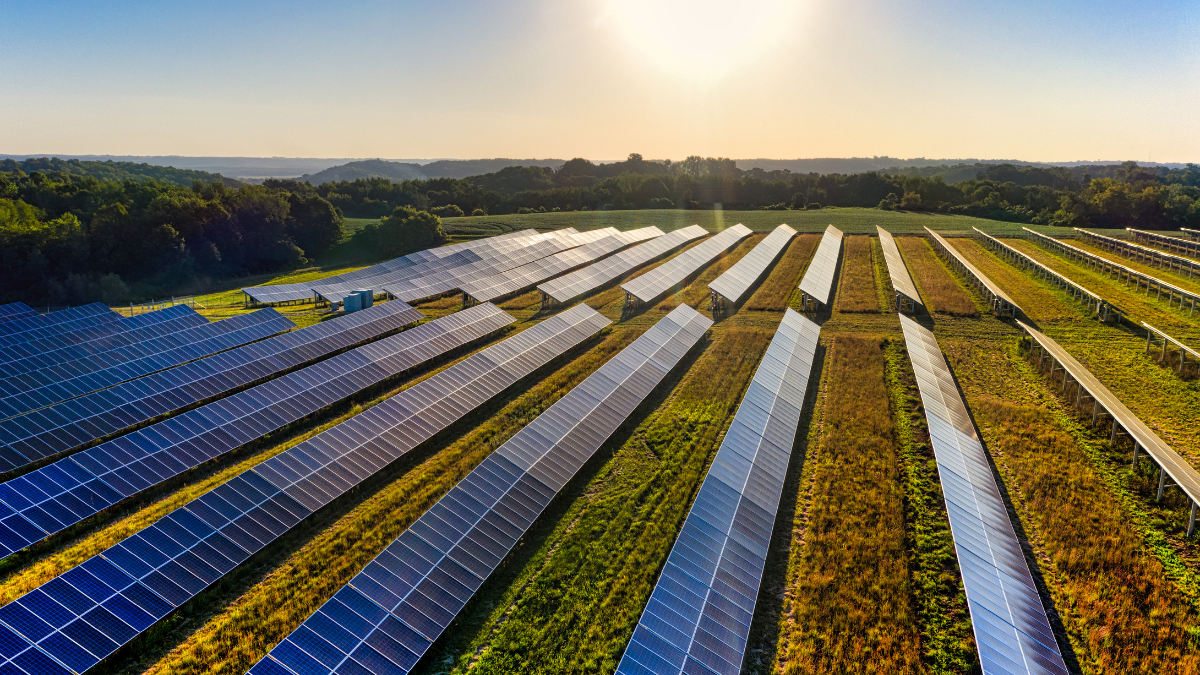
Sonnedix has added 60.9 MW of solar energy capacity in Italy and Portugal, focusing on hybrid solar-plus-storage systems to enhance grid flexibility.
Why it matters: Pure-play PV in Southern Europe is becoming a stranded asset risk; if you aren't pitching BESS integration now, you're building systems that won't be bankable by 2026.
If you are still pitching pure-play PV projects in Sicily or the Portuguese Alentejo, you are selling a product that is rapidly approaching its sell-by date. Sonnedix’s latest 60.9 MW commissioning across Italy and Portugal isn't just about adding capacity; it’s a tactical deployment of hybrid solar-plus-storage that acknowledges a brutal reality: the era of the simple feed-in-tariff or merchant solar play is dead in Southern Europe.
The Cannibalization Crisis
In Sicily, where Sonnedix just dropped 32.6 MW, the grid is screaming for mercy. During peak production hours, the price cannibalization is so severe that capture prices often dip into territory that makes O&M costs look expensive. By lead-lining these projects with BESS, Sonnedix isn't just "enhancing flexibility"—they are protecting their IRR against the MACSE (Mercato a Termine della Capacità di Stoccaggio Elettrico) framework, Italy’s upcoming mechanism to auction storage capacity.
The Institutional Playbook
As a developer, you need to watch how JP Morgan-backed entities like Sonnedix move. They are targeting 2 GW in Italy by 2028. They aren't doing this because they love hardware; they are doing it because they want to dominate the ancillary services market (MSD in Italy). For the smaller installer or C&I developer, the message is clear: if your proposal doesn't include a battery strategy, your client’s 10-year ROI projection is a work of fiction. In markets with high solar penetration, the value has shifted from the module to the inverter's ability to talk to a battery and a grid operator simultaneously.