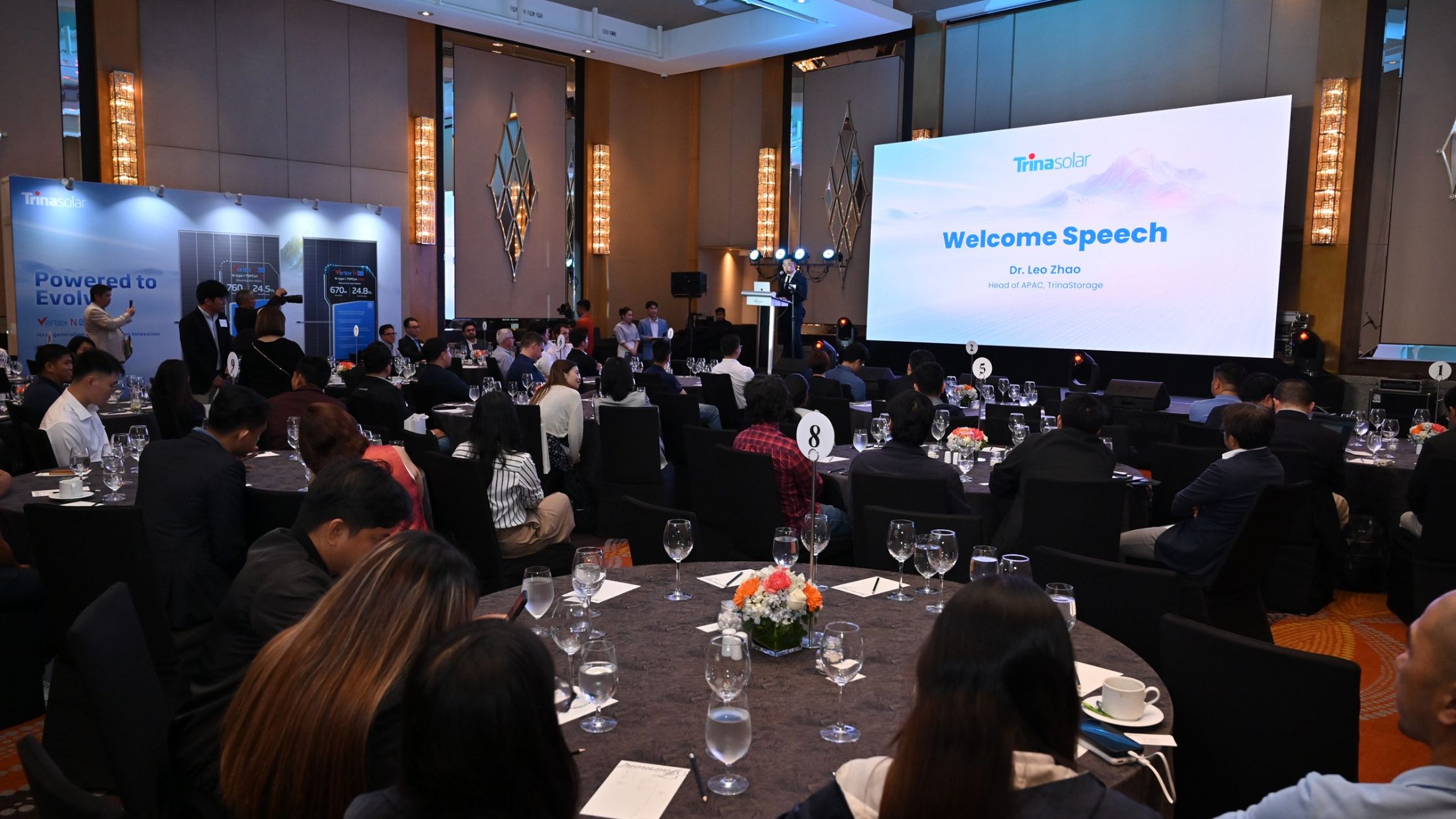
With increased focus on BESS for grid stability, developers can now source integrated hardware, facilitating project execution.
Why it matters: Integrated hardware stacks reduce commissioning headaches but leave you vulnerable to vendor lock-in—choose your ecosystem as carefully as your site.
Don’t get distracted by the geographic location. While the Philippines is the backdrop for this specific announcement, Trinasolar’s pivot toward a vertically integrated "PV + BESS" hardware stack is the blueprint for how they intend to dominate the European utility and C&I markets. For years, we’ve played the role of amateur system integrators—buying Vertex N modules from one distributor, an inverter from another, and a containerized battery from a third. Trina is signaling that those days are numbered.
The "One Throat to Choke" Advantage
When you’re deploying something like the Elementa 3 alongside Vertex N G3 modules, you aren’t just buying hardware; you’re buying a reduction in commissioning risk. In the European market, where labor costs for specialized field engineers can exceed €150/hour, every day spent troubleshooting communication protocols between a third-party BMS and an inverter is pure margin erosion. By providing a pre-validated stack, Trina is targeting the "hidden" costs of solar-plus-storage that kill project ROIs in markets like Germany or the Netherlands.
The Margin Trap
There is a catch. As an EPC or developer, moving to an all-Trina (or all-Huawei/Sungrow) ecosystem hands a massive amount of leverage to the manufacturer. We’ve seen this pattern in the automotive industry; once you own the platform, you own the service revenue. If you’re building 200MW pipelines in Spain or Poland, you need to ask yourself: is the 3-5% saving on project execution worth being locked into a proprietary ecosystem for the next 20 years? The shift from "component sourcing" to "platform sourcing" is the biggest structural change in solar since the move to mono-PERC.