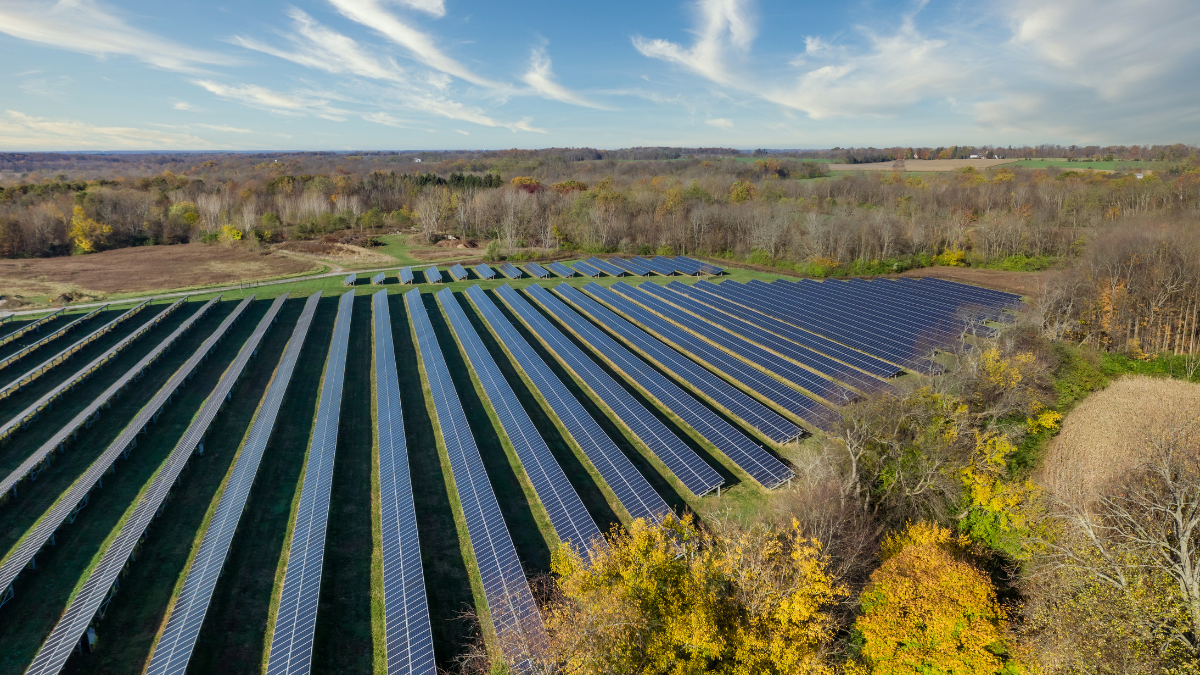
This partnership supports sustainability goals, reduces reliance on conventional electricity, and reflects the trend of increasing corporate renewable energy agreements among energy-intensive industries.
Why it matters: Global investment funds like Actis are chasing higher C&I margins in India, signaling a potential capital drain for European developers who can't match that speed-to-market.
If you think a PPA in India is irrelevant to your pipeline in Munich or Madrid, you’re missing the forest for the trees. BluPine Energy isn’t just some local developer; it’s an Actis-backed platform. Actis has billions in assets under management. When they double down on Indian industrial decarbonization, they are signaling that the risk-adjusted returns in the Indian 'Open Access' market are currently outperforming the bureaucratic slog of European mid-market C&I.
The Supply Chain Irony
Take a look at the off-taker: KEI Industries. They are a massive manufacturer of cables and wires—the very components that have seen volatile lead times for European PV projects over the last 24 months. We are in a bizarre loop where European installers are paying premiums for Indian and Chinese balance-of-system (BOS) components, while the manufacturers of those components are using solar to slash their own OPEX. If KEI stabilizes their energy costs via this PPA, they gain a competitive edge over European cable manufacturers who are still at the mercy of volatile spot prices and sluggish grid connections.
The Capital Flight Risk
For the European developer, the lesson is about capital mobility. In India, corporate PPAs are often easier to execute than in highly regulated EU markets where "additionality" and complex "hourly matching" rules (like those proposed under RED III) create friction. We see 100MW+ industrial deals happening with frequency in markets like India because the industrial electricity tariffs are punitive. If the EU doesn't streamline the Renewable Energy Directive implementation and fix the permitting bottleneck, the institutional money that funds your EPC contracts will keep flowing toward the path of least resistance: Asian industrial hubs. Investors don't have feelings; they have spreadsheets, and right now, the Indian industrial PPA spreadsheet looks cleaner than the German one.