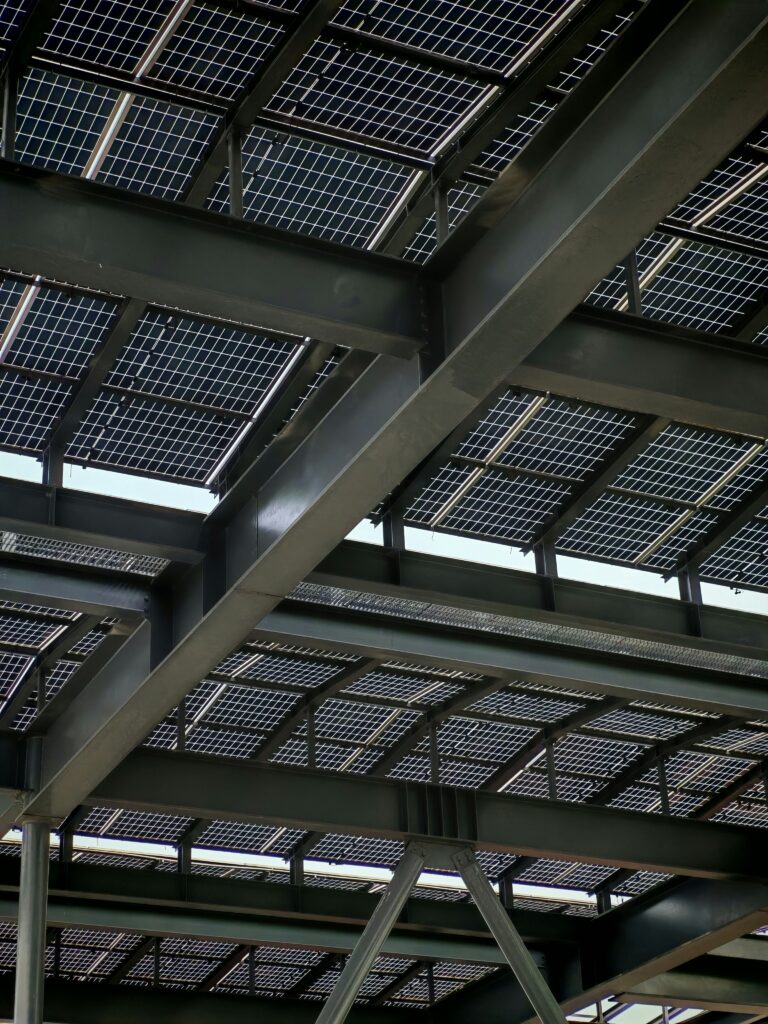
El contrato cuenta con un presupuesto de 619.199 euros, un plazo de ejecución de seis meses y un periodo de recepción de ofertas abierto hasta el 15 de junio, mediante procedimiento abierto simplificado y tramitación ordinaria.
Why it matters: Public tenders in the Canary Islands are currently priced at nearly 5x the market rate for C&I solar, representing a high-margin, low-competition niche for installers who can handle structural engineering.
Let’s do some back-of-the-napkin math that should make any installer in the Canary Islands drop their morning espresso. We are looking at a 100 kW solar installation in Santa Cruz de La Palma with a tender budget of €619,199. That is over €6,100 per kilowatt peak. In a market where utility-scale is sub-€1/W and high-end C&I rooftop projects in mainland Spain rarely break the €1.20/W barrier even with lithium storage, this price tag is staggering.
The 'Public Sector Premium' Gone Wild
Even when you factor in the structural costs of building a new roof (cubierta) over a sports court — which this project entails — the numbers are difficult to justify. We’ve seen similar canopy projects across the EU, from France’s mandatory parking lot solar to German municipal gyms, usually landing between €2,500 and €3,500 per kW when including heavy steelwork. At €6k, the Santa Cruz de La Palma administration is either expecting gold-plated mounting rails or, more likely, they are pricing in the massive logistical 'volcano tax' and bureaucratic overhead inherent to the outer-most regions (ORs).
A Tactical Opportunity for Local Players
For installers based in Tenerife or Gran Canaria, this is a signal to stop chasing razor-thin margins in the residential sector and start navigating the Plataforma de Contratación del Sector Público. The 'simplified procedure' mentioned in the text is designed to move fast, but it often scares off smaller firms who fear the paperwork. If you can manage the structural engineering requirements, these municipal budgets offer a margin cushion that protects you against the current volatility in module pricing (like the recent fluctuations from JinkoSolar or Trina) and the high cost of shipping to La Palma.
However, there’s a warning here: when public projects are this bloated, they invite scrutiny. Any firm bidding should ensure their technical documentation is bulletproof. You don't want to be the one holding the invoice when a regional auditor asks why a 100 kW system cost as much as a small apartment complex.