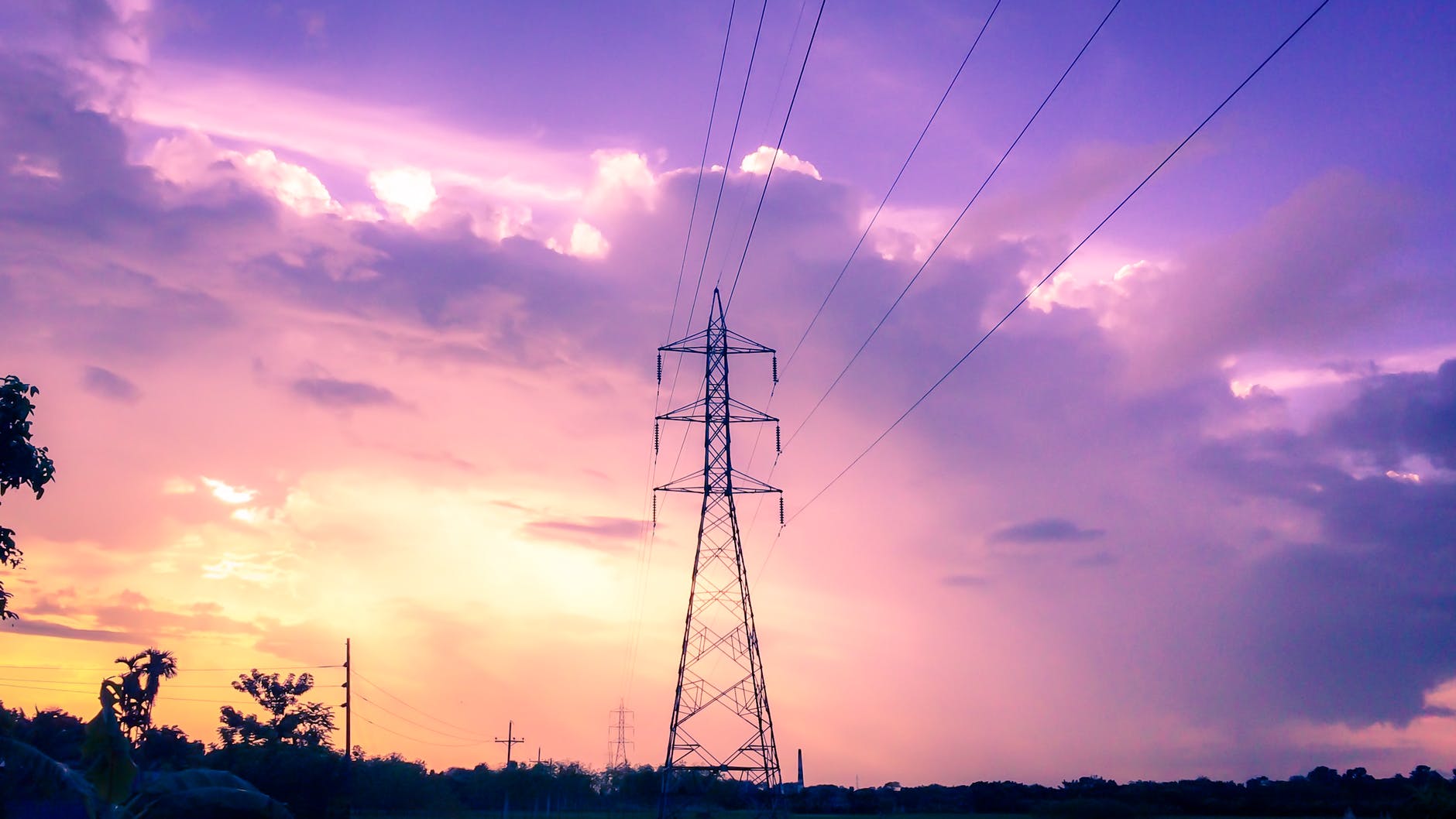
Delhi is experiencing increased electricity consumption due to a prolonged heatwave, recently peaking at over 8,400 MW. Power utilities, particularly Tata Power-DDL, are enhancing their electricity supply through renewable sources and energy management programs to stabilize demand.
Why it matters: As Southern Europe faces Delhi-style heatwaves, your clients will stop asking about 'green' and start asking about 'resilience'—sell the battery and the smart controller or lose the contract.
The 8.4 GW Stress Test
Think that 8.4 GW peak is just a 'developing market' anomaly? Think again. That single-city peak is higher than the entire national load of many European countries. What we’re seeing in Delhi is the ultimate stress test for the 'High-Heat Scissor Effect'—a phenomenon that is rapidly becoming the biggest threat to C&I and residential solar reliability in Southern Europe.
Why Efficiency Isn't Enough
Here is the engineering reality: solar panels are least efficient exactly when the grid needs them most. If you’re still installing standard PERC modules with a temperature coefficient of -0.35%/°C, a 45°C ambient day in Seville or Athens means your 450W panels are struggling to output 360W while AC units are screaming for juice. This is why the shift to N-type TOPCon or HJT cells (with coefficients closer to -0.29%/°C or lower) isn't just a premium choice; it's a grid-survival necessity.
The Demand Response Pivot
Tata Power-DDL isn’t just throwing more panels at the problem; they are leaning into Demand Response (DR). For the European professional, this is the writing on the wall. The era of 'install and forget' is over. In markets like the Netherlands or Germany, where negative prices and grid congestion are already biting, the money is moving toward Virtual Power Plants (VPPs). If you aren't partnering with aggregators like Next Kraftwerke or offering smart home ecosystems like Enphase Envoy or Huawei’s EMMA to shift loads, you’re leaving the most profitable part of the project on the table.