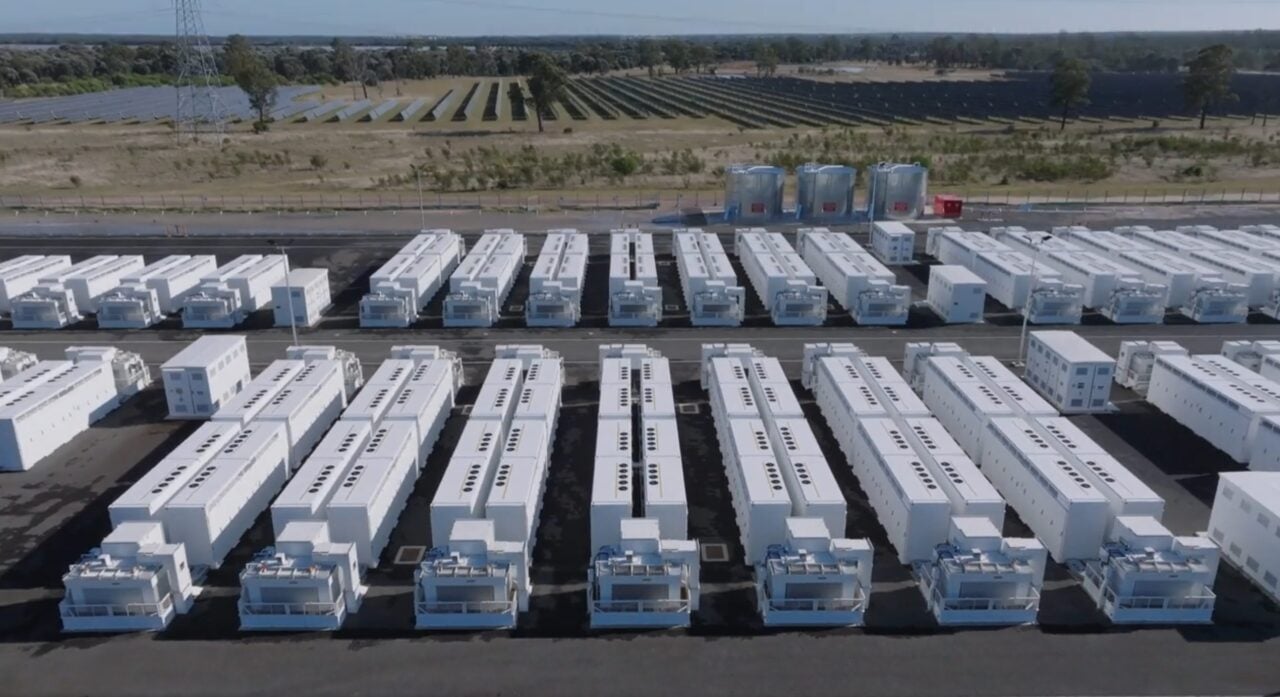
Battery energy storage systems (BESS) have emerged as the defining feature of Australia's Capacity Investment Scheme (CIS) Tender 7, with 2GW/7.9GWh of co-located energy storage successful.
Why it matters: Sizing storage for 1-hour discharge is a legacy move that will leave your projects unbankable as EU price volatility shifts toward 4-hour duration gaps.
Look at the math in this tender: 2GW of capacity for 7.9GWh of storage. That is a nearly perfect 4-hour discharge duration across the board. While many European developers are still haggling over 1-hour "power" batteries to capture frequency response crumbs, the Australians have skipped straight to the end-game: energy shifting. This isn't just a subsidy quirk; it’s a survival mechanism for solar-heavy grids that we are already seeing play out in Spain and the Netherlands.
The Death of the 1-Hour Battery
In markets like Germany, we are seeing the "cannibalization" effect where solar production drives Day-Ahead prices to zero—or deep into the negatives—during the midday peak. If you’re building a 10MW PV plant in 2024 with a measly 5MWh battery, you’re bringing a knife to a gunfight. Australia’s CIS Tender 7 proves that the market value has shifted from when the sun shines to the four hours after it sets. For an installer in Europe, this means your C&I pitch needs to pivot from "shaving peaks" to "arbitraging the duck curve."
We’ve seen this pattern before. Just as PV modules jumped from 250W to 600W+, BESS durations are scaling up. If you aren't planning for 4-hour durations in your 2026/2027 pipeline, you are building a stranded asset. The Australian model isn't a regional outlier; it’s the blueprint for any grid where solar penetration exceeds 20%.