Gujarat Industries Power Co Ltd (GIPCL) is holding a competitive solicitation for a large-scale vanadium redox flow battery (VRFB) energy storage project in western India.
Why it matters: As EU insurance premiums for LFP skyrocket, VRFB’s zero-fire-risk and 20-year lifespan are about to become your strongest selling point for long-duration storage.
While European installers are busy fighting over the last few containers of Chinese LFP cells, India is placing a massive bet on a technology that actually makes sense for the 20-year lifespan of a solar asset: Vanadium Redox Flow (VRFB). A 120MWh tender isn't a 'pilot' in anything but name; it's a shot across the bow for the lithium-ion hegemony.
The Fire-Water Advantage
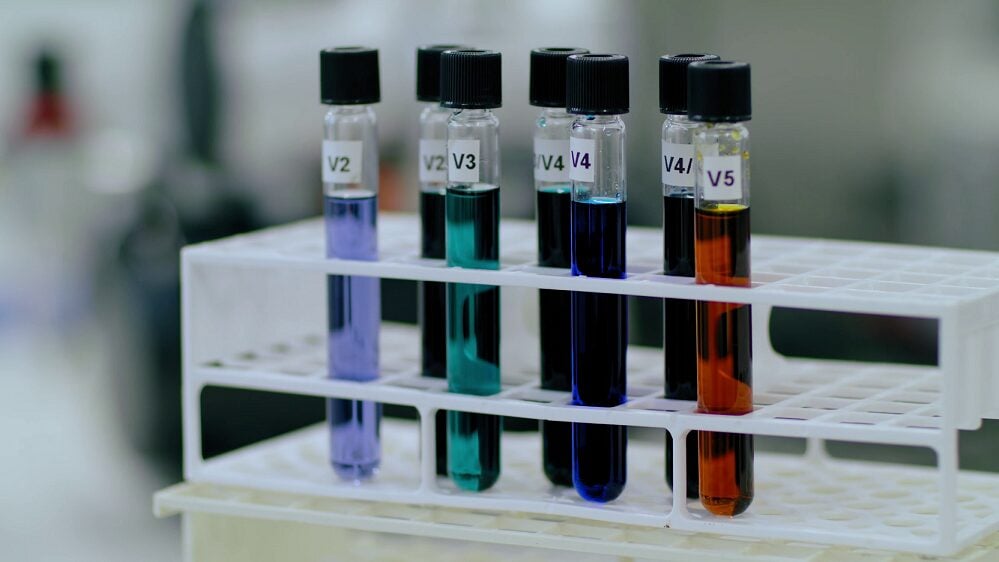
If you've tried to insure a 5MWh LFP container in a dense industrial zone in the Netherlands or Germany lately, you know the pain. Premiums are skyrocketing because lithium-ion is essentially a controlled fire waiting to happen. Vanadium electrolyte is non-flammable—it's basically green-tinted water. For the C&I developer, this means simpler permitting and lower O&M. GIPCL isn't doing this for the environment; they're doing it because 10,000+ cycles with zero degradation destroys the LFP business case once you move past the 4-hour discharge window.
Why the EU Supply Chain is Sweating
We’ve seen this pattern before. When massive tenders like this hit the market in India or China, it forces the manufacturing scale that brings down capex. Currently, VRFB costs roughly 2x-3x more than LFP upfront, but the Levelized Cost of Storage (LCOS) over 20 years is becoming competitive. If companies like Invinity Energy Systems or Austria’s CellCube can ride the coattails of this Indian demand to scale their stack production, the 'lithium is the only option' argument evaporates by 2026.
Stop looking at battery storage as a commodity purchase and start looking at it as an infrastructure play. If you're building utility-scale in Southern Europe, you need to be talking to flow providers now before the lead times stretch to eighteen months.