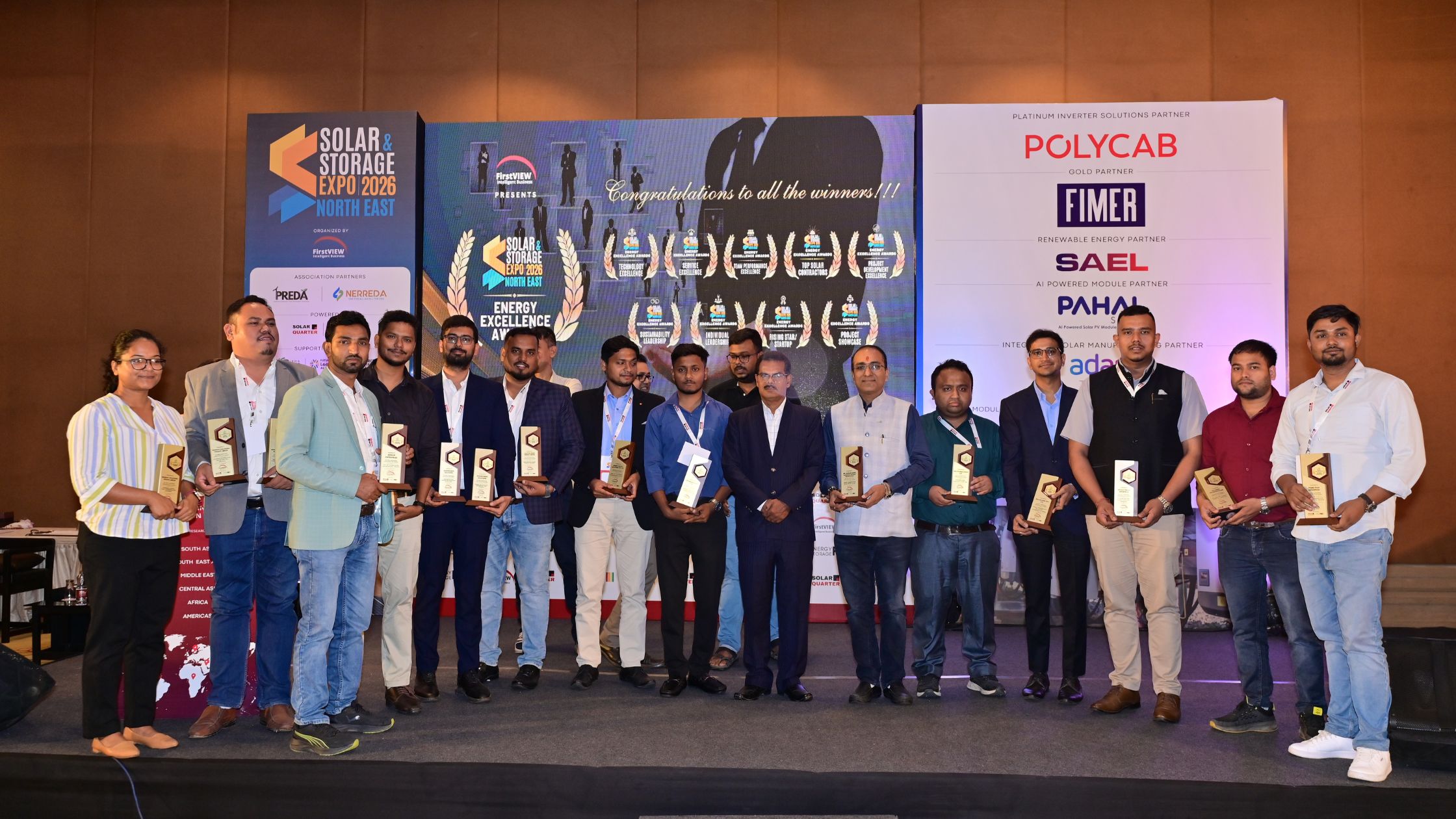
The event featured the North East Energy Excellence Awards, honoring significant contributions to renewable energy.
Why it matters: Regional award ceremonies in emerging markets often celebrate subsidy navigation rather than the technical breakthroughs European pros need to stay competitive.
The PR Trap: Recognition vs. Revenue
We’ve all seen it. You’re scrolling through LinkedIn or industry feeds, and you see another gala, another trophy, and another press release about 'pioneers shaping the future.' This time, it’s coming out of Guwahati, India. While the North East Energy Excellence Awards might feel like a significant milestone for the local Assamese market, for a European installer or project developer, it is pure noise. If you are building 100MW clusters in Brandenburg or retrofitting C&I rooftops in Rotterdam, these awards offer zero actionable intelligence.
The Disconnect Between Markets
India’s solar strategy is currently obsessed with the PM-Surya Ghar: Muft Bijli Yojana, a ₹75,000 crore ($9 billion) scheme aimed at putting 1kW to 3kW systems on 10 million households. It’s a massive volume play, but it’s heavily reliant on Domestic Content Requirement (DCR) modules. This means the innovations celebrated in Guwahati are often about navigating local subsidies and Indian-made cell mandates—problems that don't exist in the European theater, where we are more concerned with Net-Zero Industry Act (NZIA) compliance and the plummeting price of TOPCon modules from the big four (Jinko, LONGi, Trina, JA Solar).
What Real Innovation Looks Like
In Europe, 'innovation' isn't a trophy for being the biggest EPC in a remote province. Real innovation for us right now is dynamic tariff integration and the software layer that manages BESS discharge when the day-ahead market hits negative prices. Unless these awards are highlighting a breakthrough in low-light performance for mountainous terrains—which might actually translate to the Swiss or Austrian Alps—most of this is just industry back-slapping. The Takeaway: Don't mistake geographic expansion for technical evolution. Keep your eyes on the price curves in Rotterdam, not the gala menus in Guwahati.