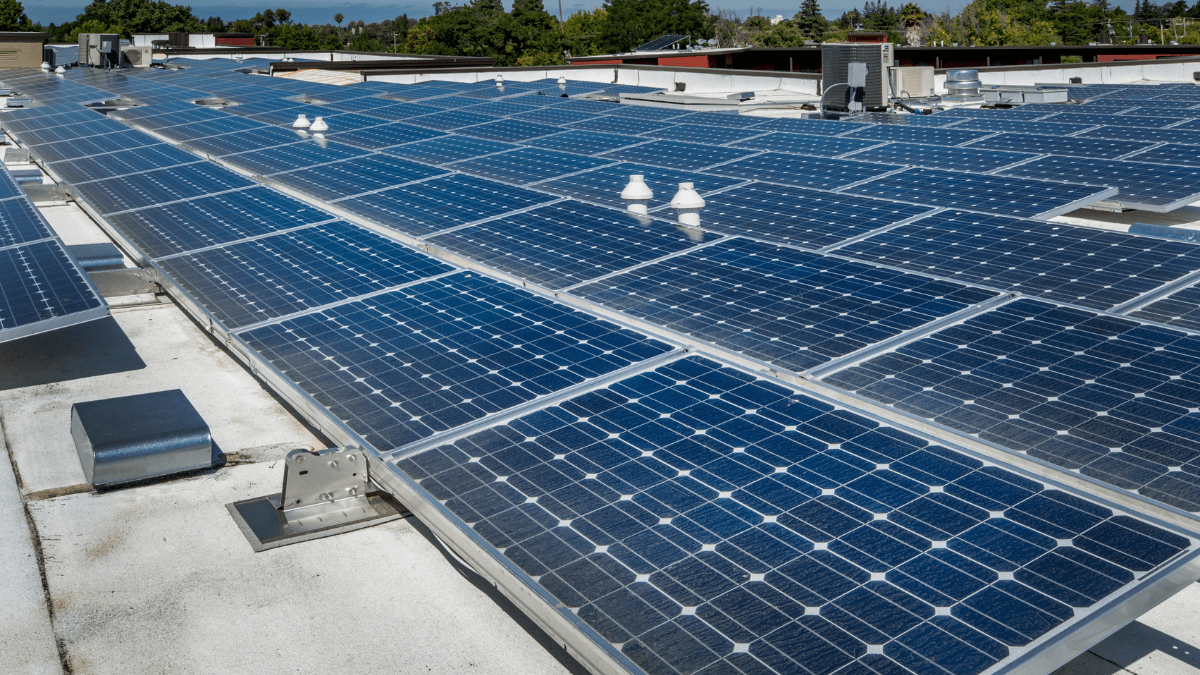
The RESCO model aims at cost-effective solar energy adoption without upfront investment.
Why it matters: Public sector solar is moving from individual CAPEX projects to massive, bundled RESCO tenders—if you can't finance the build, you're locked out of the biggest rooftops in Europe.
While most European installers are still fighting over individual 50kW C&I rooftops, the Jammu and Kashmir Energy Development Agency (JAKEDA) just handed out 45.75 MW across a staggering 6,613 buildings. If that doesn't make your project management team break out in a cold sweat, you haven’t spent enough time on a roof. This isn't just a volume play; it’s a massive experiment in aggregated procurement that European municipalities should be watching closely.
The RESCO Reality Check
The core of this deal is the RESCO model—essentially a PPA where the government pays for the power, not the panels. In Germany or the Netherlands, we often see public tenders bogged down by individual building assessments and heritage protections. JAKEDA is bypassing the "analysis paralysis" by bundling thousands of sites into a single 152.75 MW package. For a developer, this is a double-edged sword. You get massive scale, but you also inherit 6,613 potential points of failure. One leaky roof in a remote health clinic can tank the O&M margins for an entire cluster.
What European Installers Should Learn
We are seeing a similar shift in the EU with the Energy Performance of Buildings Directive (EPBD), which will eventually mandate solar on public buildings. The margin in solar isn't in the hardware anymore—it’s in the financing and the long-term O&M. If you’re still pitching CAPEX-heavy solutions to local councils in Iberia or Poland, you’re losing to the consortia that can package these into zero-down deals.