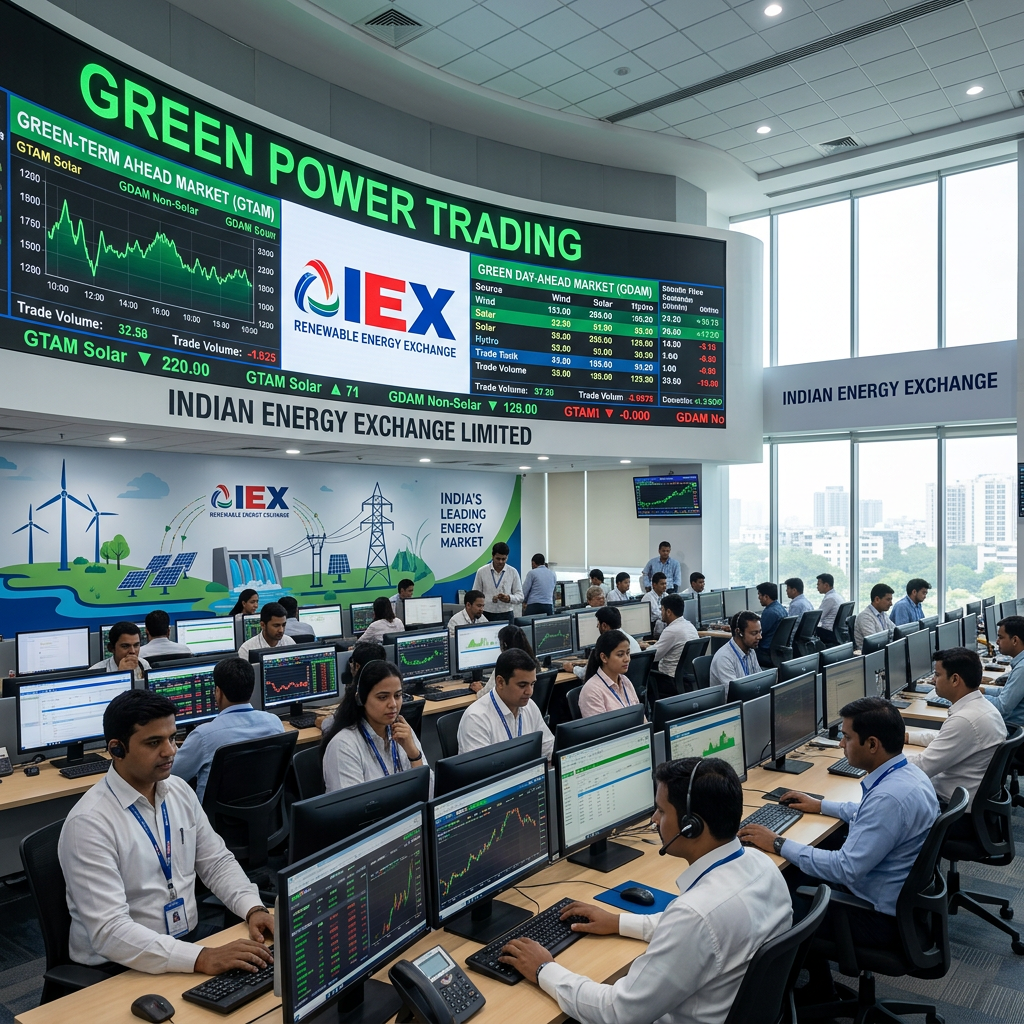
The Central Electricity Regulatory Commission (CERC) has restructured renewable energy contracts at the Indian Energy Exchange (IEX) to align with the new Renewable Consumption Obligation framework.
Why it matters: India is beta-testing the high-volume distributed trading infrastructure that will eventually be forced upon European grids to survive the transition.
On the surface, a regulatory tweak in New Delhi sounds like background noise for a developer in Essen or Seville. It isn’t. While the EU fumbles with the implementation of RED II and struggles to make "Energy Communities" anything more than a bureaucratic headache, India’s CERC is building the high-speed plumbing for a decentralized grid. By specifically categorizing Distributed Renewable Energy (DRE) within the IEX framework, they are solving the one problem European regulators are terrified of: real-time liquidity for the small player.
The End of the "Utility-Only" Monopoly
For years, the Indian market was dominated by massive PPA-backed projects—think Adani or ReNew. This new framework shifts the gravity toward the distribution level. By creating four distinct contract types, the IEX is essentially building a stock exchange for the rooftop solar you’re installing today. If a C&I client in Mumbai can trade their surplus on an exchange with the same ease as a blue-chip stock, the ROI on a 500kWp system changes overnight. In Europe, we’re still stuck begging DSOs for basic net-metering clarity.
Watch the Tech, Not the Geography
We’ve seen this pattern before. India’s UPI revolutionized digital payments while European banks were still mailing PIN codes. The IEX’s new DRE-focused framework is the digital twin of that revolution. For a European installer, the lesson is clear: the hardware is a commodity, but the ability to integrate into a sophisticated, multi-tier trading exchange is where the future margins live. If you aren't looking at how to aggregate your fleet of C&I installs into a virtual power plant (VPP) now, you’re building yesterday’s business model.