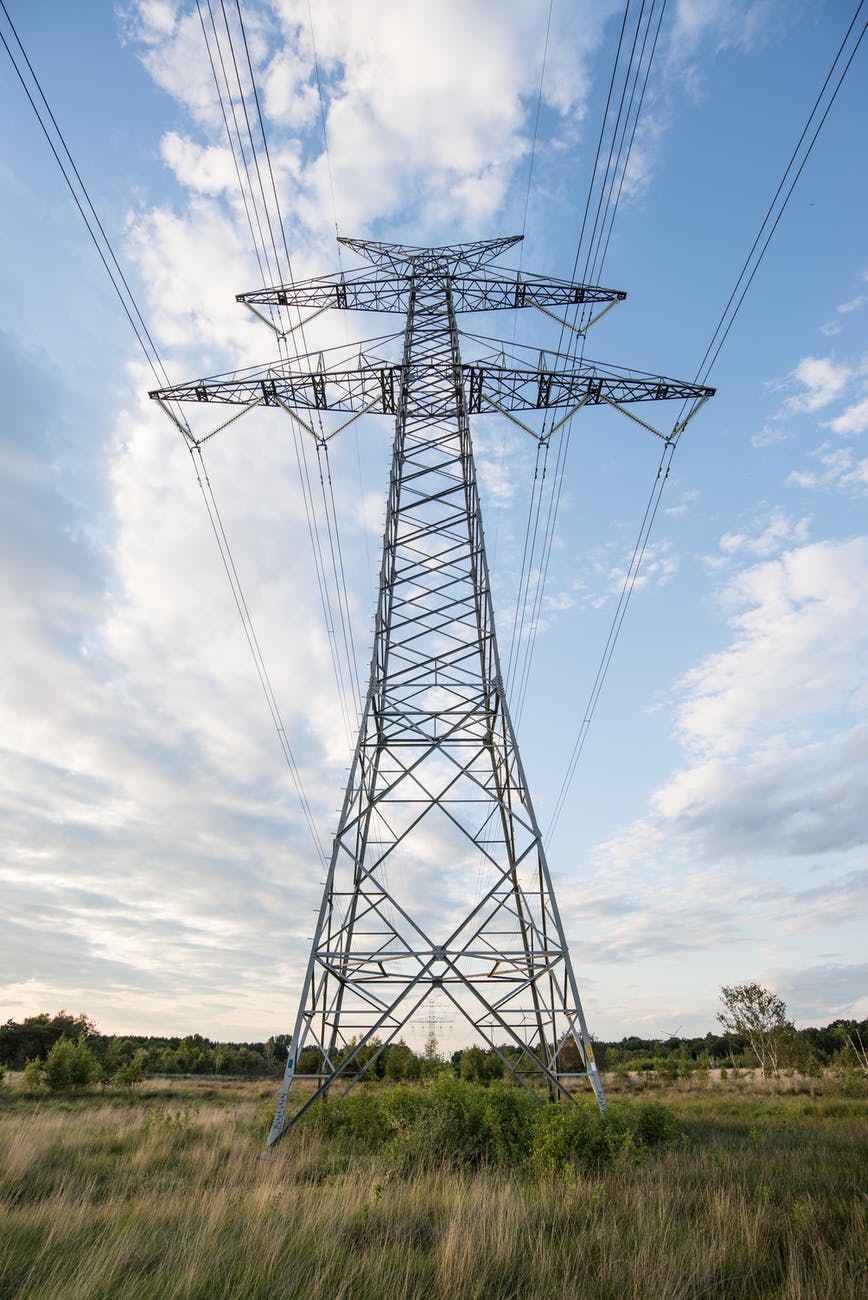
The order emphasizes transmission efficiency and infrastructure expansion while maintaining affordable tariffs, enabling a projected peak demand of 22,190.21 MW and supporting grid modernization initiatives.
Why it matters: Grid congestion is the global ceiling for solar; if the grid doesn't expand, your project pipeline is just a list of expensive hobbies.
The Rajasthan Mirror
At first glance, a regulatory update from Rajasthan seems worlds away from a rooftop in Rotterdam or a solar park in Bavaria. But Rajasthan is the Andalusia of India—a high-irradiation zone where the pace of PV installation has slammed head-first into the hard reality of 20th-century copper. This ₹3,779 crore (€415 million) approval for RVPN is not just an administrative 'truing-up'; it is a desperate attempt to keep the grid from choking on its own green success.
The Real Cost of Intermittency
For European developers, the numbers tell a story we know all too well. Rajasthan is targeting a peak demand of 22.1 GW. For context, that’s roughly a third of the UK’s peak demand, yet the state is forced to spend massive capital just to ensure that solar-generated electrons actually have a path to the load centers. We are seeing the same 'Green Paradox' in Germany, where TenneT and Amprion are projecting grid investment requirements that dwarf the actual cost of the PV modules themselves.
A Signal for the EU
If you think your local DSO in Poland or France is being difficult about interconnection, look at this as a market signal. The transition from 'building solar' to 'building the grid for solar' is where the real money—and the real delays—now live. When a state utility like RVPN asks for €400 million just for a two-year operational window, it’s a reminder that the Levelized Cost of Transmission (LCOT) is becoming as critical as the LCOE. If you aren't factoring a 20-30% increase in grid-related fees into your 2026-27 project models, you’re dreaming.