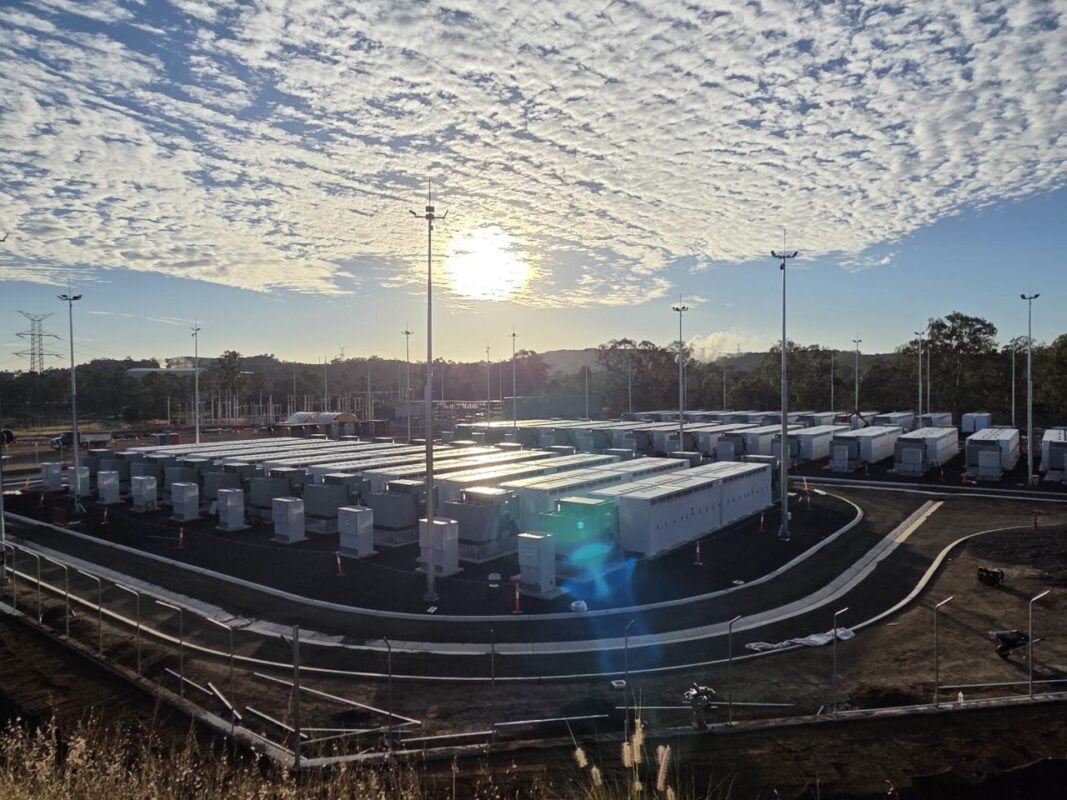
Queensland's Swanbank battery energy storage system (BESS) earned AU$743,000 (US$532,608) in dispatch revenue last month, more than double the AU$306,000 generated by the Victorian Big Battery over the same period in Australia.
Why it matters: The hardware is a commodity; your BESS project’s ROI now lives or dies by the quality of your automated bidding algorithm.
If you’re still evaluating BESS projects based on the round-trip efficiency of the cells or the nameplate capacity of the inverter, you’re playing a 2018 game in a 2024 market. The Swanbank numbers are a violent reminder that the algorithm is the asset. While the Victorian Big Battery is a massive 300MW/450MWh beast, Swanbank (at a modest 250MW/500MWh) absolutely cleaned its clock in revenue terms by doing less, not more.
The Mirage of Constant Cycling
Most European developers I talk to are obsessed with 'cycling'—the idea that a battery must be constantly moving electrons to justify its CAPEX. Swanbank’s 'passive bidding' strategy suggests the opposite. By sitting tight and waiting for the high-conviction price spikes, they avoided the degradation and low-margin churn that plagues aggressive bidders. In the European context, specifically within the EPEX SPOT intraday markets, we are seeing the same pattern: the 'noise' of small price fluctuations is a trap. The real money is in the 15-minute intervals where prices go vertical.
The EU Signal: From EPC to Asset Management
This isn't just an 'Australian quirk.' Look at the German aFRR (automatic Frequency Restoration Reserve) market. The spreads are widening, and the 'duck curve' in Spain is becoming a canyon. If you are an installer in the Benelux region or Italy, your pitch to a C&I client can no longer be 'save on your bill.' It has to be 'we have the bidding logic to capture the €500/MWh spikes while your competitors are asleep.'
We’ve seen this before in high-frequency trading. The physical infrastructure becomes a commodity, and the profit migrates to the code. If your BESS supplier can't explain their bidding logic in the context of negative pricing events, walk away.