Europe consumes huge amounts of electricity and generates tonnes of CO2 through cooling.
Why it matters: Selling PV without a cooling strategy is a missed revenue opportunity that ignores the fastest-growing load in the European residential market.
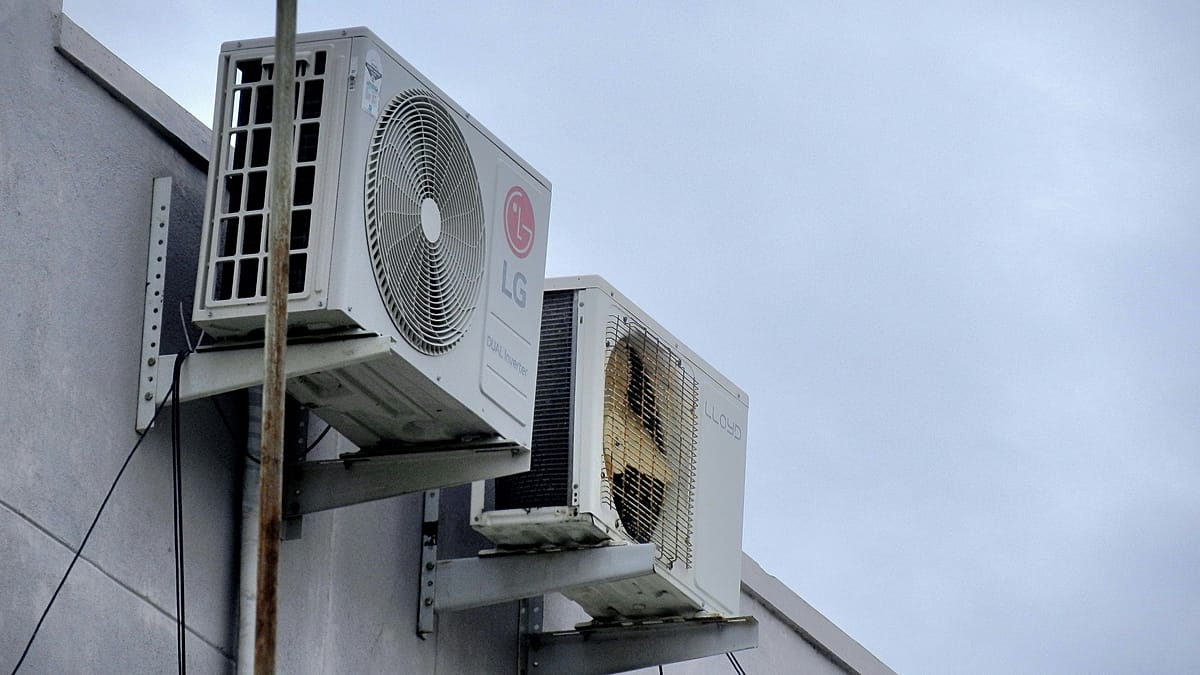
Europe consumes huge amounts of electricity and generates tonnes of CO2 through cooling.
If you’re still pitching PV systems as a way to ‘save on the bill’ without talking about reversible heat pumps, you’re essentially leaving half the project margin on the table for the local HVAC guy to scoop up. We’ve moved past the era of simple grid-tied solar. In markets like Germany and the Netherlands, where the Salderingsregeling is under fire and grid fees are spiking, self-consumption isn’t just a goal; it’s the only way to make the ROI math work for a residential client.
The Technical Trap: Passive vs. Active
Let’s be clear: most installers confuse ‘cooling’ with ‘comfort.’ A standard air-to-water heat pump—think the Daikin Altherma 3 or Nibe S2125—can offer passive cooling by circulating chilled water through underfloor pipes. It’s great for dropping the room temperature by 3°C, but it won’t handle a Madrid July or a humid Milan August without condensation risks. To truly compete with split-unit ACs, you need to be pitching active cooling via fan coils. This turns the PV array into a 1:1 offset for the highest thermal loads of the year.
The Money Angle
Stop selling panels. Start selling a 22°C indoor environment powered by the sun. Your next C&I or high-end residential lead doesn't want to know about your module efficiency; they want to know how they can run their house at a chill temperature without the guilt of a €400 monthly electricity bill.