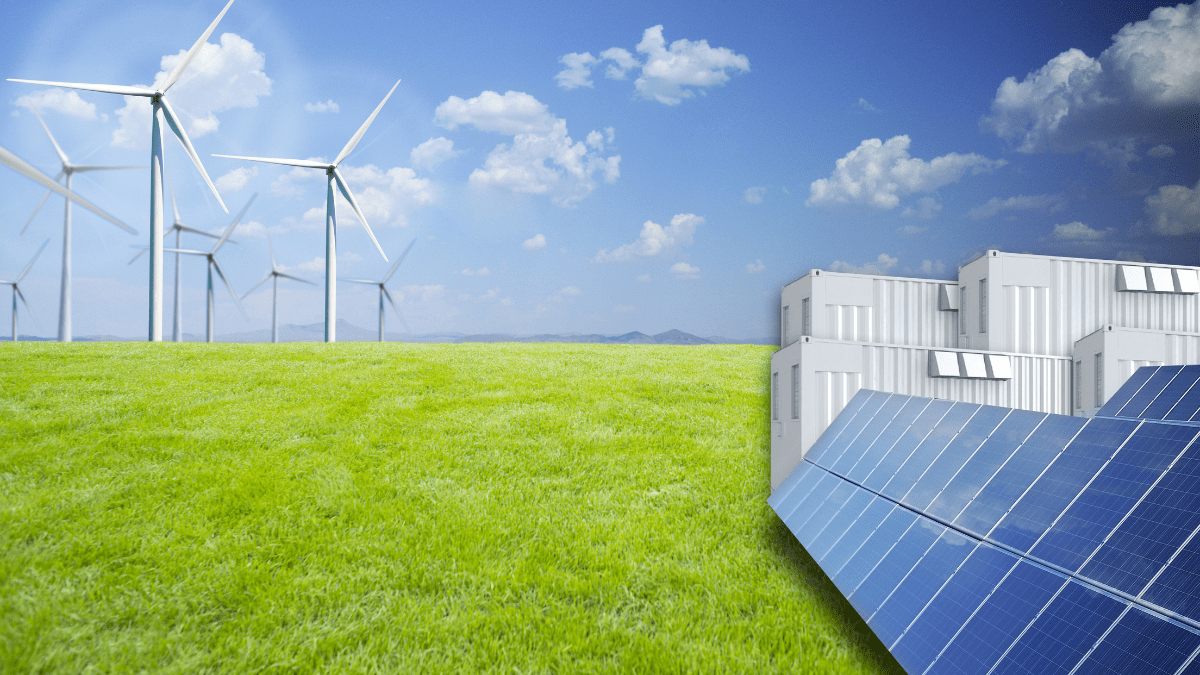
Adani Green Energy Limited has launched a 3.37 GWh Battery Energy Storage System in Khavda, Gujarat, making it the largest such facility outside China.
Why it matters: Global battery pricing and cell availability are now dictated by Asian gigaprojects; ignore this scale and you'll be priced out of your next BESS tender.
While European developers are busy navigating the bureaucratic labyrinth to permit 50 MW projects in the Rhineland or East Anglia, Adani just dropped a 3.37 GWh hammer in the Gujarat desert. This isn't just a project; it’s a market-clearing event that should make every utility-scale developer in the EU rethink their 2026 procurement strategy.
The Supply Chain Vacuum
When a single entity like Adani Green Energy moves toward a 50 GWh target by 2027, they aren't just buying containers; they are effectively hijacking the production lines of Tier-1 cell manufacturers like CATL or Gotion. For the mid-sized European installer or developer, this is a warning: the global battery supply is being swallowed by gigaprojects. If you aren't locking in supply agreements now, you’ll be fighting for the scraps of the B-grade cells that Adani’s quality control team rejected.
The Efficiency Gap
There is a terrifying elegance to "single-location" scale. In Europe, we suffer from fragmented O&M. A developer in Spain might manage 500 MW spread across ten sites, each with its own grid connection and balance-of-plant headaches. Adani’s Khavda site collapses the Levelized Cost of Storage (LCOS) by centralizing everything. We’re seeing rumors of turnkey BESS pricing in these regions hitting sub-€120/kWh. Try matching that ROI with a 100 MWh project in a high-labor market like Germany.
A Message for the Regulators
This project is a masterclass in what happens when policy alignment meets land availability. India is treating storage as a national security priority, whereas the EU’s REPowerEU targets still feel like aspirational suggestions in many member states. If we don't fix the permitting bottlenecks that prevent 1 GWh+ clusters in Southern Europe, we will never achieve the economies of scale necessary to kill gas peaker plants for good. The math is simple: scale wins, and right now, India is playing a different game entirely.