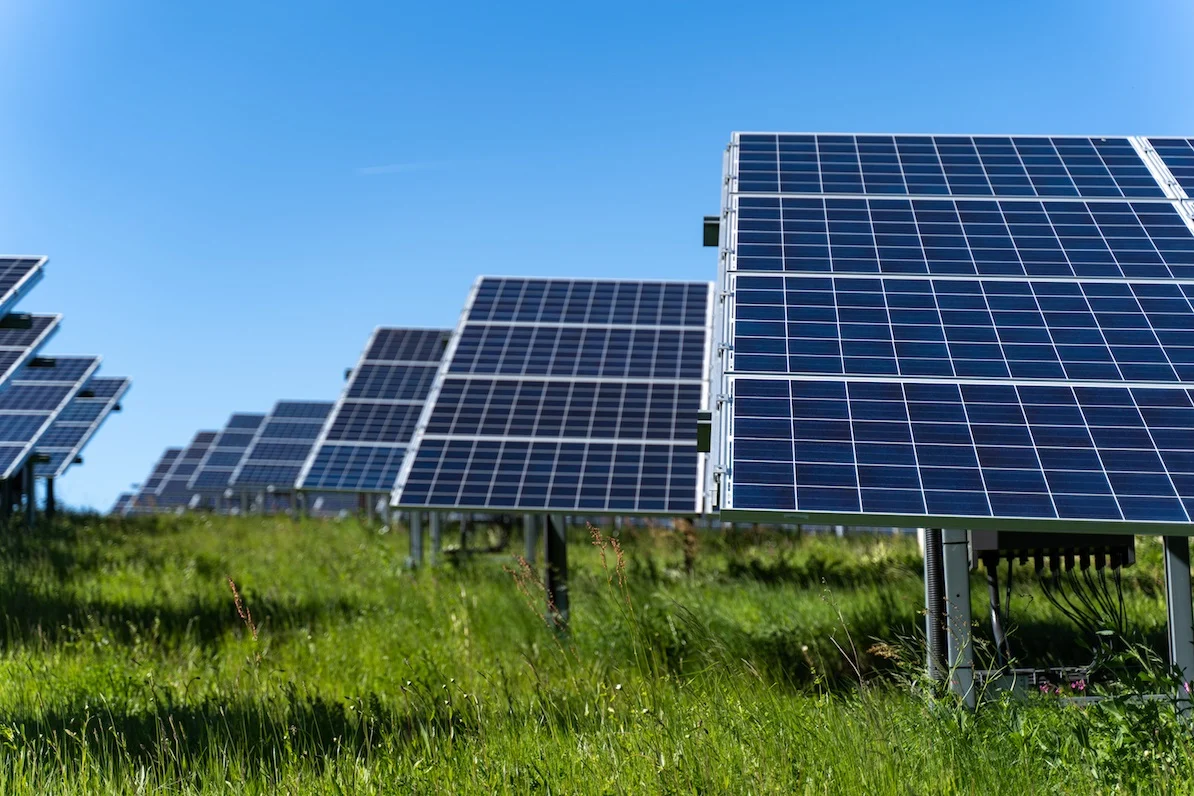
German developer Blue Elephant Energy has begun constructing a 268MW solar PV plant in Germany. Power from the project will be bought by Germany train operator, Deutsche Bahn.
Why it matters: Corporate PPAs are now the primary engine for German utility-scale solar, effectively locking out smaller developers from the best grid capacity.
The Death of the EEG Safety Net
If you’re still waiting for the Bundesnetzagentur to raise auction ceilings to make your utility-scale projects viable, you’re playing a losing game. This 268MW monster from Blue Elephant Energy (BEE) isn’t just another plant; it’s a signal that the German market has fully decoupled from the Renewable Energy Act (EEG) subsidies. When you’re building at this scale, the administrative hurdles and price caps of the traditional tender system are more of a cage than a safety net.
The Deutsche Bahn Appetite
Deutsche Bahn is arguably the most important player in the European solar sector right now. They aren't just buying power; they are de-risking massive capital expenditures. For an IPP like BEE, a long-term Corporate PPA (CPPA) with a state-backed mobility giant is better than any government subsidy. It allows for higher leverage and smoother financing terms. We’re seeing a trend where the best land and the most coveted grid connection points in Brandenburg and Mecklenburg-Vorpommern are being vacuumed up by projects that will never see a cent of public feed-in tariff money.
The Labor Vacuum
For the medium-sized EPC firms and installers reading this: look at the scale. 268MW requires an army of mechanical installers and high-voltage specialists. When projects of this magnitude break ground, they don't just take the land; they take the labor. If you are planning a 5-10MW C&I project in Germany for 2025, expect your subcontracting costs to spike. You aren't just competing with the guy down the street anymore; you're competing with the logistical gravity of BEE and Deutsche Bahn.
A Technical Reality Check
Feeding into the 16.7 Hz traction power grid is a different beast than standard 50 Hz utility work. While BEE hasn't disclosed the exact inverter configuration, the trend is moving toward massive central inverter stations or specialized conversion setups. If you want to play in the big leagues, your engineering team needs to stop thinking about rooftops and start mastering high-voltage substation integration and synthetic inertia requirements.