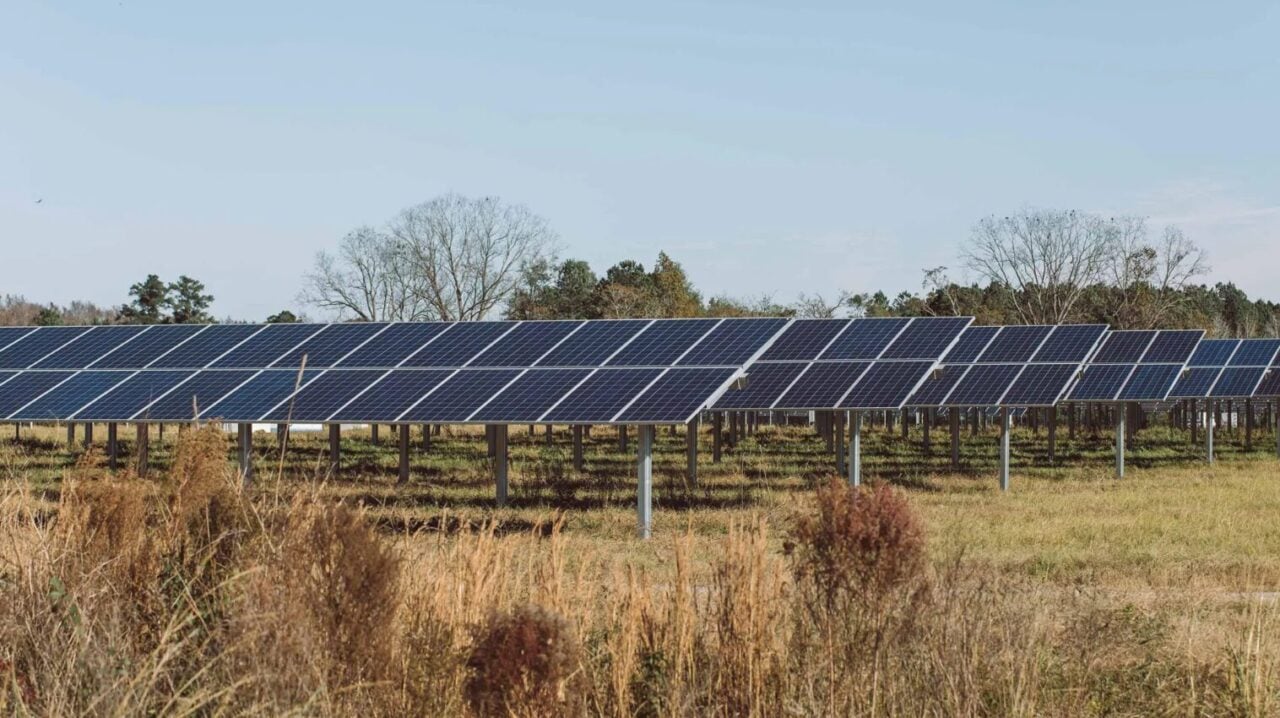
EDP Renewables North America (EDPR NA), the subsidiary of Portuguese energy utility EDP, will build a 100MW solar PV project in the US for the Appalachian Power Company.
Why it matters: When European utilities export their balance sheets to the US, it signals that domestic grid hurdles and price cannibalization are officially stifling ROI at home.
When a Portuguese national champion like EDP decides to drop 100MW into the heart of American coal country, European developers should stop looking at the project and start looking at the balance sheet. This isn't just another utility deal; it’s a glaring symptom of capital flight. While Brussels bickers over the Net-Zero Industry Act, the Inflation Reduction Act (IRA) is acting as a giant vacuum cleaner for European liquidity.
The PJM Premium vs. Iberian Cannibalization
Why is EDP chasing Appalachian Power (an AEP subsidiary) instead of doubling down on the Alentejo? It comes down to the math of the PPA. In Spain and Portugal, we’re seeing 'solar cannibalization' drive merchant prices toward zero during peak production hours. Meanwhile, the US PJM interconnection territory—where Appalachian Power operates—offers a more stable long-term hedge for a utility-scale player. By securing a deal with a regulated utility in a region transitioning away from coal, EDP is locking in returns that are increasingly hard to find in the congested, over-saturated grids of Southern Europe.
The Permitting Paradox
We’ve all been there: waiting 36 months for a grid connection in the Netherlands or fighting local municipalities in Tuscany. Paradoxically, despite the notorious PJM interconnection queue backlog, the clarity of the US 30% Investment Tax Credit (ITC) makes the 'bankability' of a 100MW project in West Virginia or Virginia often superior to a similar-sized project in Germany. For the European installer, this is the warning: your biggest competitors aren't just the guys in the next town; they are the US markets stealing your equipment allocation and your financing partners.