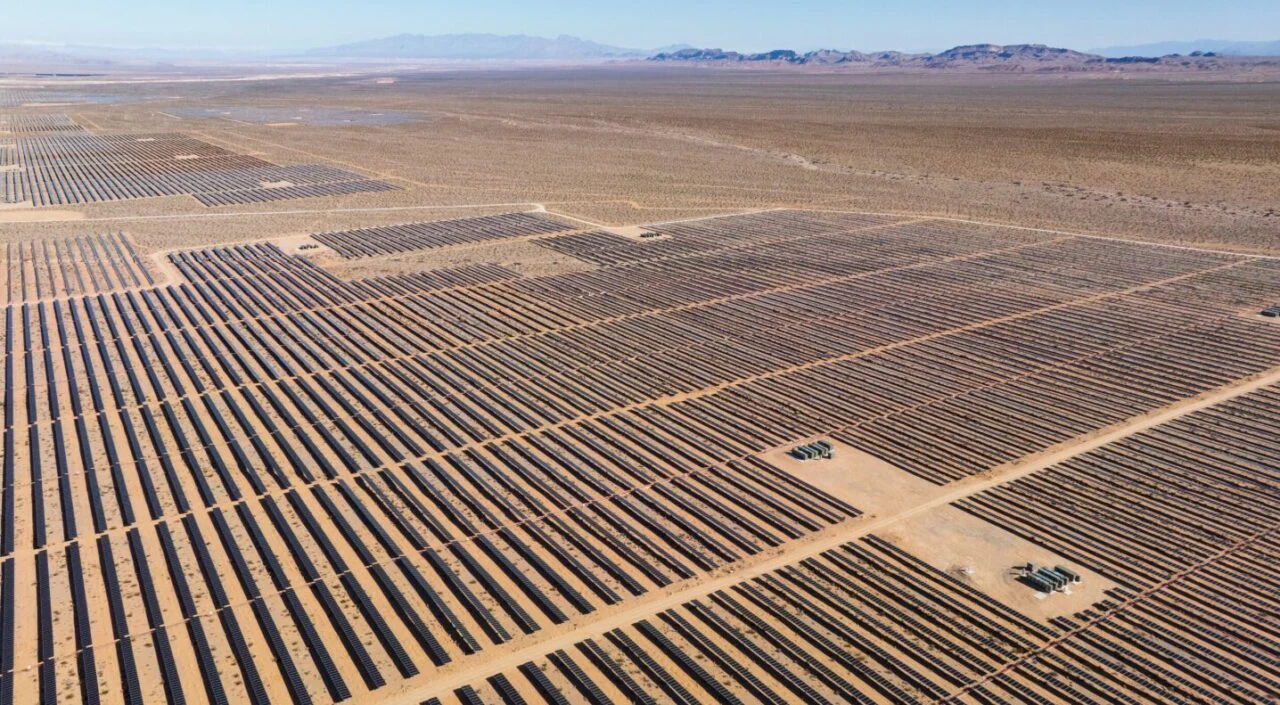
Solar-plus-storage projects are proliferating across the globe and necessitate a choice between DC and AC coupling.
Why it matters: Stop losing bids by over-complicating retrofits; use AC coupling to unlock the massive 'solar-only' legacy market without ripping out existing hardware.
The Efficiency Trap
Every junior engineer starts this debate by pointing at the 2-3% round-trip efficiency advantage of DC coupling. On paper, avoiding an extra DC-to-AC conversion is the 'pure' way to go. But if you’re operating in the German or Benelux C&I markets, purity is for academics. In the field, AC coupling is the pragmatic king for one reason: the massive installed base of 'dumb' solar that now needs a brain.
The Retrofit Reality Check
We are currently entering the Great European Retrofit Era. Thousands of systems installed between 2015 and 2020—running on legacy Fronius or SMA string inverters—are prime candidates for storage. Telling a client they need to rip out a perfectly functional 50kW inverter to install a DC-coupled hybrid unit is a sales-killer. AC coupling, using something like the Victron MultiPlus-II or a Tesla Powerpack, allows you to bolt on storage without touching the existing PV string configuration. It’s the difference between a three-day invasive surgery and a one-day outpatient procedure.
The Clipping Headache
In high-irradiance regions like Southern Spain or Italy, we often see DC/AC ratios pushed to 160% or higher. In a DC-coupled setup, if your hybrid inverter is maxed out, that excess energy is simply clipped and wasted. However, an AC-coupled BESS can technically sit 'behind' the meter and soak up energy from the AC bus, offering more flexibility in how you manage peak shaving and grid injection limits. Furthermore, vendor lock-in is the silent margin killer. DC coupling usually ties you to a single manufacturer’s ecosystem for both the inverter and the BMS. AC coupling breaks those chains, allowing you to pair the best battery chemistry with the most reliable power electronics for the specific project site.
Stop Selling Percentages, Start Selling Agility
Unless you are building a 100MW greenfield site in Alentejo where every basis point of LCOE is scrutinized by a private equity firm, stop obsessing over conversion losses. Your clients don't care about a 2% heat loss; they care about system uptime, ease of maintenance, and the ability to participate in FCR (Frequency Containment Reserve) markets without a proprietary communication gateway failing every time there's a firmware update.