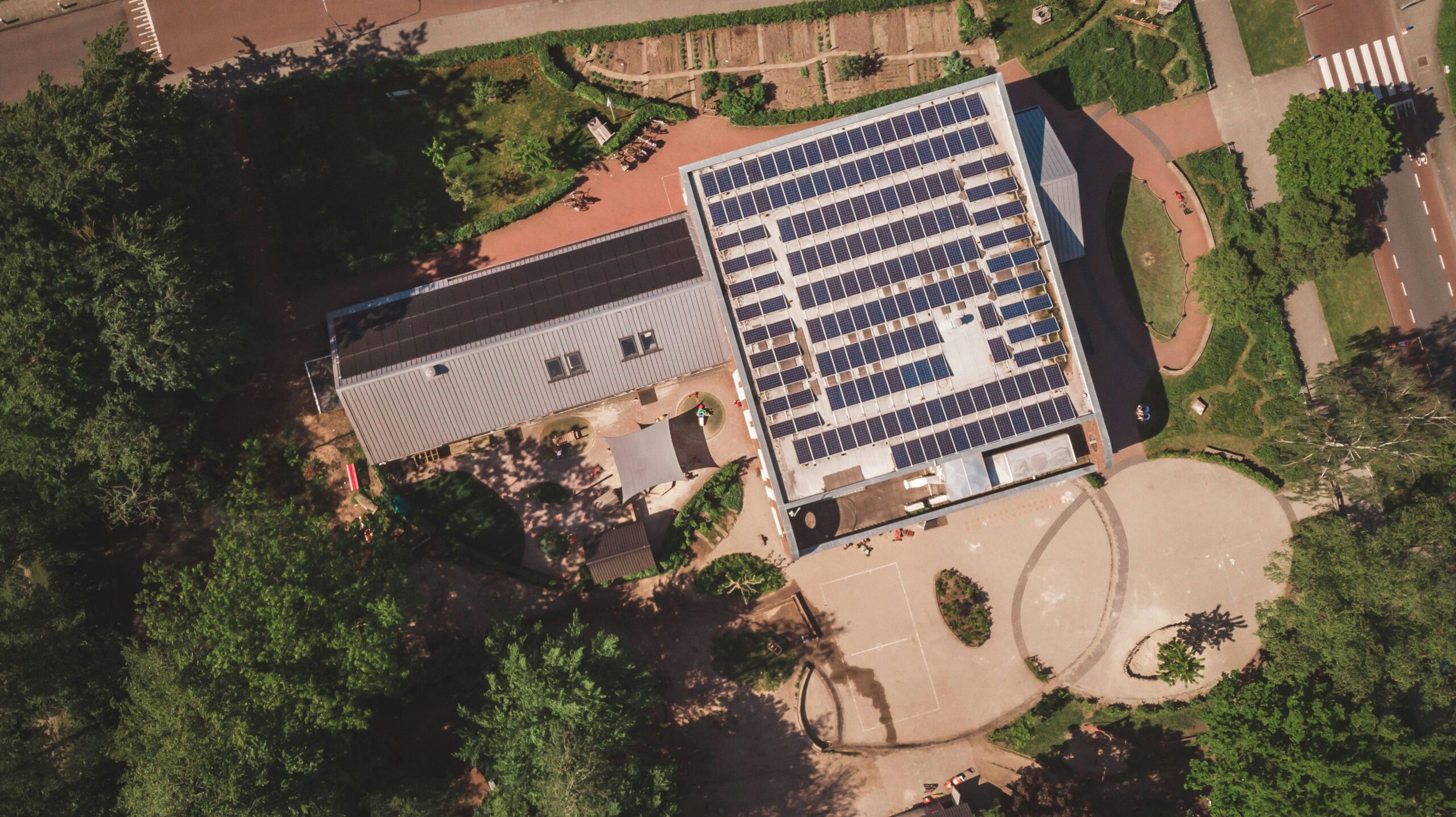
El contrato cuenta con un presupuesto de 212.128 euros, un plazo de ejecución de seis meses y un periodo de recepción de ofertas abierto hasta el 11 de junio.
Why it matters: Small-town public tenders are pivoting to integrated thermal-electrical solutions; if you can't manage heat pumps, you're losing the most stable sector of the Spanish market.
The tender in Horche is a textbook example of the shifting landscape for Spanish installers. We are moving away from the 'pure-play' residential gold rush into a phase where municipal resilience depends on integrating photovoltaics with thermal comfort. At €212,128, this isn't a massive project, but it represents the exact type of complexity that can bleed a mid-sized EPC dry if they aren't careful.
The Hybridization Trap
Municipalities across Spain are increasingly bundling HVAC (Heating, Ventilation, and Air Conditioning) with PV self-consumption. For the average solar professional, this is a double-edged sword. While it increases the ticket size, it introduces mechanical complexities that most electrical-focused firms aren't equipped to handle. If you’re bidding on these Guadalajara projects, you aren't just calculating strings and inverter clipping; you're looking at thermal load matching and potentially upgrading legacy building management systems.
The Margin Reality Check
Let’s look at the numbers. A €212k budget for both HVAC and PV in a public building usually means the profit is in the efficiency of the installation, not the hardware. In the Spanish licitación system, the winner is often the one who can squeeze their subcontractors the hardest. If you are subcontracting the air conditioning side, your margin on the PV is effectively subsidizing the HVAC tech’s mistakes. I’ve seen projects like this in Castilla-La Mancha stall for months because the PV was ready, but the heat pump integration didn't talk to the Modbus protocol of the inverter.