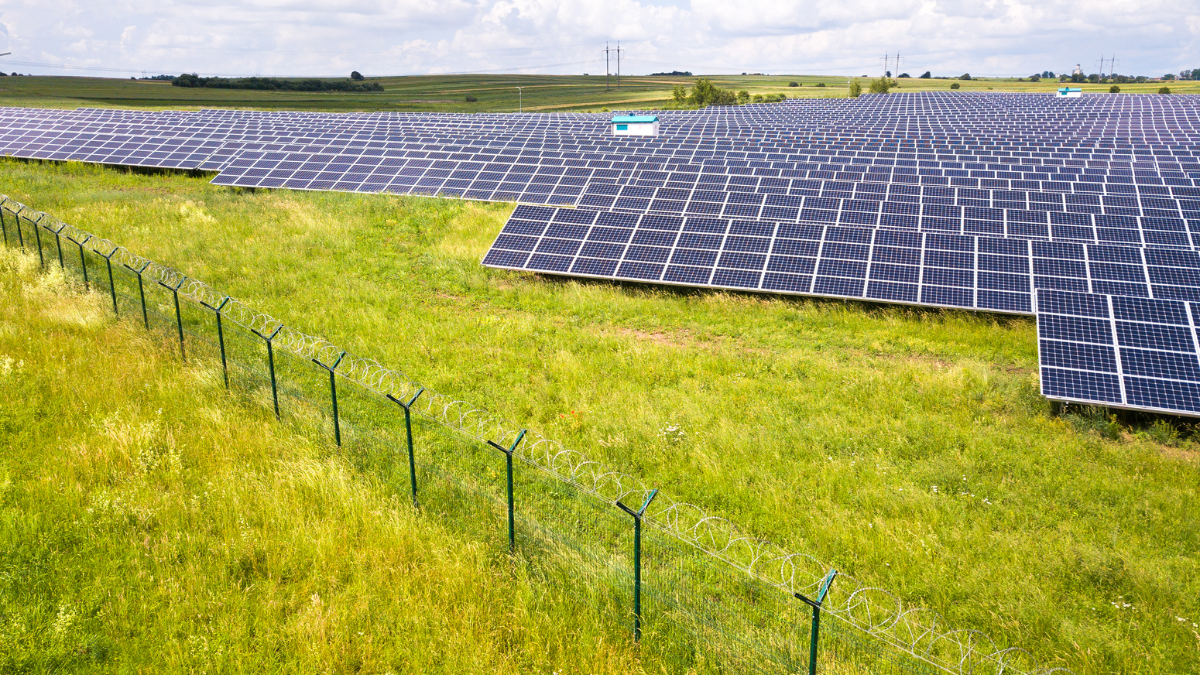
The advanced modules offer better durability and higher energy output, reflecting growing confidence in Saatvik’s capabilities amid the push for local manufacturing in renewable energy.
Why it matters: India's success in forcing local TOPCon adoption is the 'beta test' for the supply chain shifts coming to Europe via the NZIA.
While European installers might look at a ₹171.45 crore (€19 million) order for an Indian manufacturer and shrug, they are missing the forest for the trees. This isn't just a local deal; it is a successful proof-of-concept for the kind of trade protectionism that is currently landing on European shores via the Net-Zero Industry Act (NZIA).
The ALMM Blueprint
India’s Approved List of Models and Manufacturers (ALMM) has effectively ring-fenced their domestic utility market. By forcing developers to buy local, they’ve allowed players like Saatvik Green Energy to bank the margins necessary to scale their TOPCon lines. For a developer in Spain or Poland, this matters because it signals where the next wave of non-Chinese supply is coming from. As the EU pushes for 40% of its PV deployment to be met by home-grown manufacturing by 2030, the Indian model of "domestic orders first, global export later" is the exact trajectory we should expect from emerging European players like Meyer Burger or Carbon.
TOPCon is the New Floor
The fact that this order is strictly for TOPCon bifacial modules confirms that p-type Mono PERC is officially a legacy technology, even in price-sensitive emerging markets. If you are still holding inventory or quoting projects based on PERC performance curves, you are selling your clients a museum piece. This 120MW-150MW equivalent order proves that TOPCon’s bankability is no longer a debate—it is the baseline for utility-scale IPPs.
Smart European EPCs should be looking at Indian manufacturers not as "cheap alternatives," but as the blueprint for how state-supported solar manufacturing actually survives the Chinese onslaught. If you aren't diversifying your supplier list beyond the usual 'Big Six' Chinese brands, you're leaving yourself exposed to the next inevitable wave of EU trade barriers.