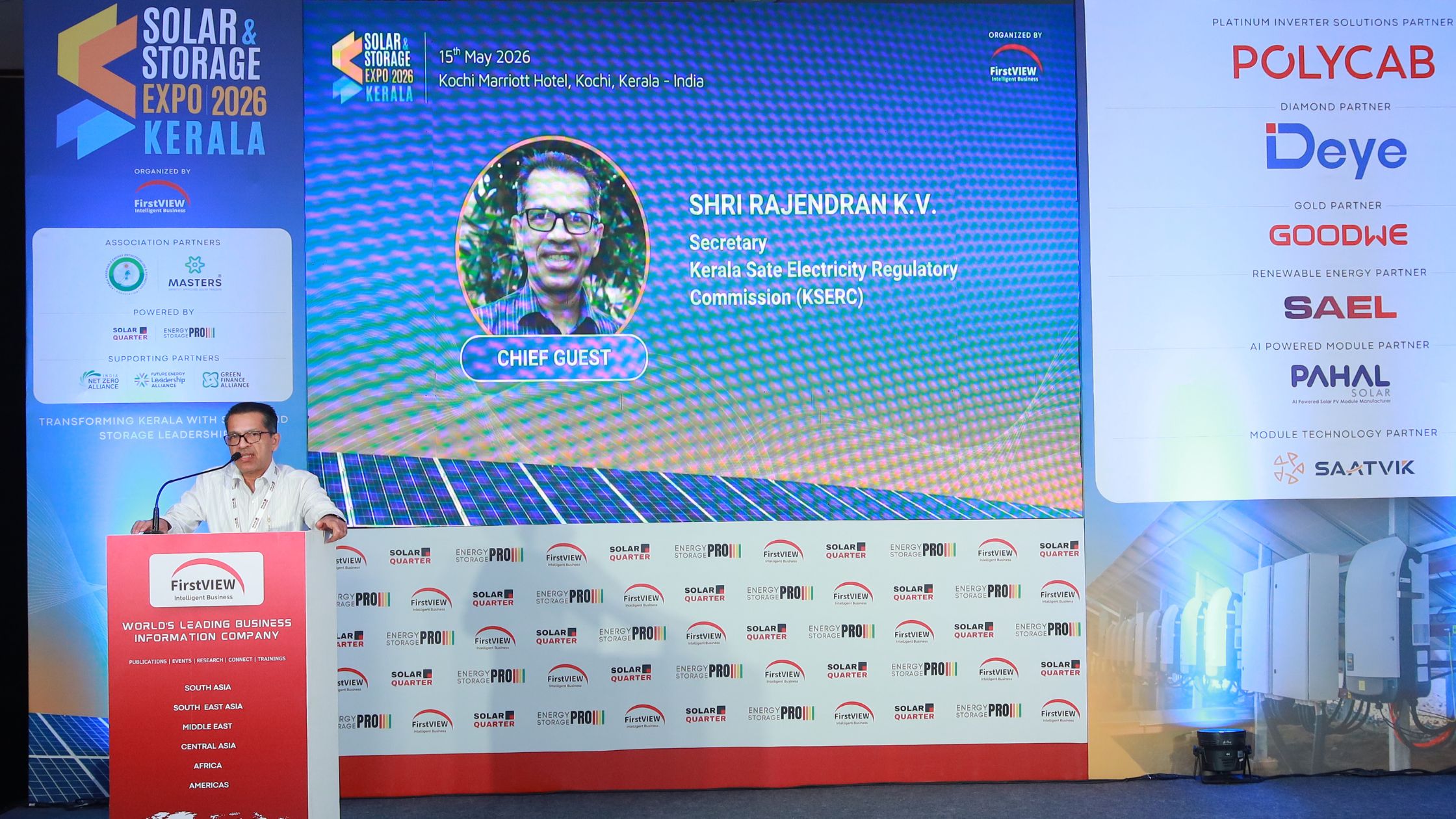
The Solar & Storage Expo Kerala 2026 successfully gathered over 300 stakeholders from the renewable energy sector, fostering discussions on innovation and collaborations.
Why it matters: India's booming domestic market means the 'non-Chinese' modules you need for ESG-sensitive clients are about to get much harder to source.
Let’s be brutally honest: A 300-person regional expo in Kerala usually wouldn't register on the radar of a project developer in Berlin or an installer in Lyon. It sounds like standard industry fluff—ribbon cutting, local awards, and optimistic keynotes. However, if you dismiss the growth of regional Indian markets, you’re missing the global supply chain shift that will define the next 24 months of European PV procurement.
The Domestic Siphon Effect
While European installers are currently enjoying a glut of cheap Chinese modules, the medium-term outlook is changing. India is no longer just a destination for low-tier components; it is rapidly becoming a manufacturing powerhouse. Events like the Kerala Expo signal a maturing domestic ecosystem. For a European professional, this is a supply signal. As India’s internal demand spikes—driven by state-level incentives and the ambitious 500GW non-fossil target by 2030—Indian manufacturers like Waaree, Adani, and Vikram Solar will pivot their focus inward.
Why This Hits Your Bottom Line
If you are banking on Indian-made cells or modules to bypass the EU Forced Labor Regulation (EUFLR) or to meet "non-China" ESG requirements for corporate PPA clients, you are now competing with Kerala’s C&I boom. We’ve seen this pattern before: when a massive domestic market wakes up, the export taps tighten. A 300-stakeholder meeting in Kochi today translates to fewer "Tier 1" non-Chinese containers arriving in Rotterdam tomorrow at competitive prices.
The Verdict: Don't ignore these regional milestones. India’s success in building a self-sustaining solar economy is the single biggest threat to Europe’s access to cheap, non-Chinese components. If you haven't secured long-term supply agreements with manufacturers outside the China-India domestic gravity wells, you’re exposed.