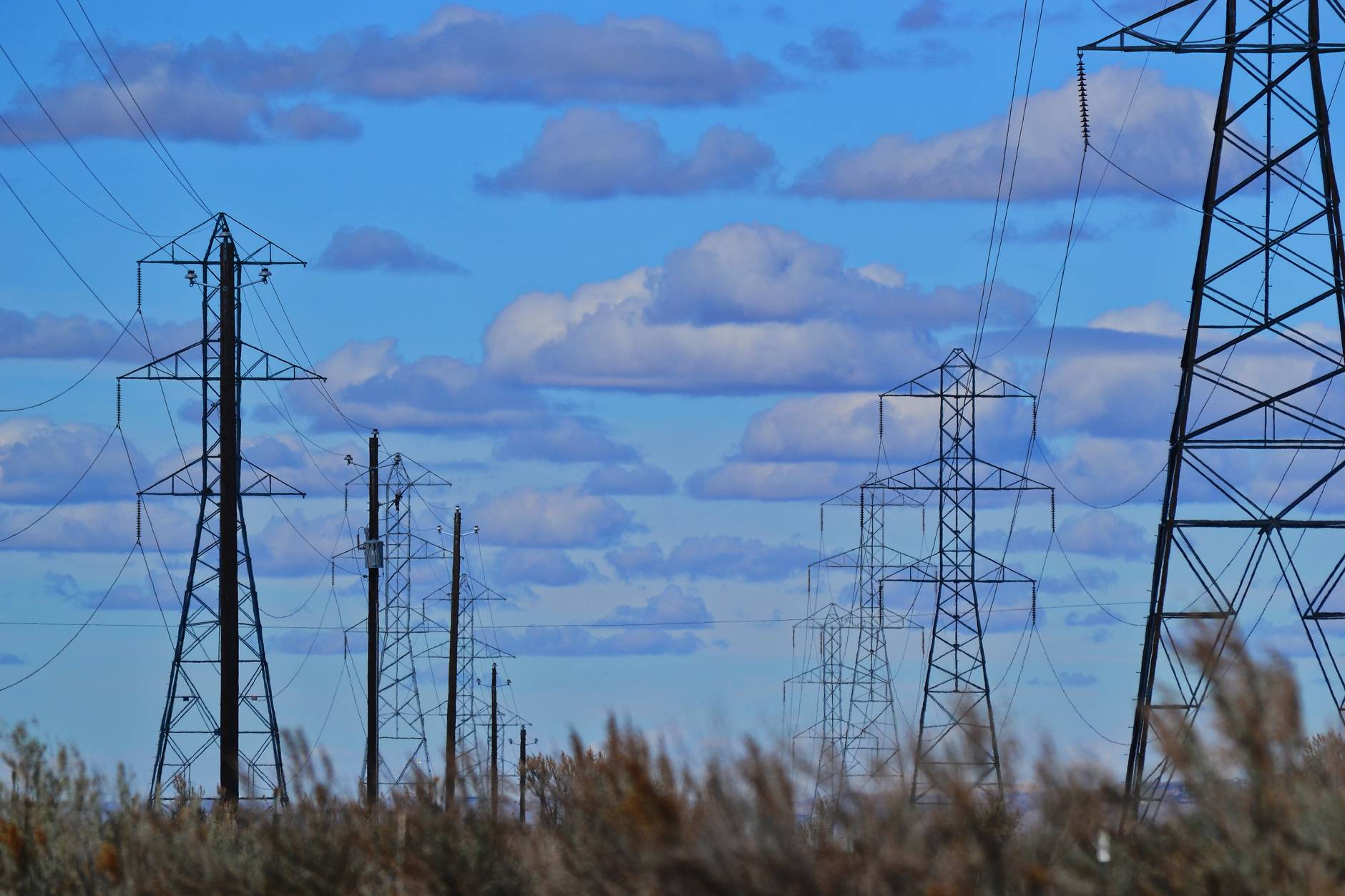
Initiatives like real-time transformer load monitoring and the Early Fault Detection project aim to improve operational performance and maintenance.
Why it matters: If Saudi Arabia can manage the world's largest pilgrimage using AI, your local DSO has no excuse for blocking solar connections due to 'uncertain' grid loads.
The Hajj Spike vs. The European Duck Curve
While European developers are busy arguing over the price of Tier 1 modules, Saudi Energy is solving a more existential problem: how to prevent a grid meltdown when millions of people descend on one location during peak heat. This isn't just a localized utility story; it is a massive stress test for the exact type of software-defined grid we need in Europe to survive the transition from centralized gas to decentralized solar and heat pumps. If AI can manage the world's most concentrated demand spike in 45°C weather, it can handle your neighborhood's EV charging clusters.
Copper vs. Code
In regions like the Netherlands or parts of Germany—specifically within Tennet or E.ON territories—the standard response to a new C&I solar request is often a flat 'no' or a three-year wait for a transformer upgrade. Saudi Energy’s deployment of real-time transformer load monitoring is a direct challenge to this hardware-first mentality. By using predictive analytics to squeeze every last kVA out of existing assets, they are proving that software is faster and cheaper than digging trenches. For the European installer, this is the signal that the 'grid is full' excuse is becoming a policy failure, not a technical one.
The 'Musaed' Signal
The deployment of the 'Musaed' AI assistant is the real harbinger of change. We are moving toward a reality where regulations like Section 14a EnWG in Germany—which allows DSOs to dim large consumers—won't be handled by clunky manual switches. Instead, it will be an automated, AI-driven negotiation between the grid and your customer’s SMA or SolarEdge inverter. The 'Early Fault Detection' mentioned here is effectively a blueprint for preventative O&M that every European EPC should be baking into their long-term service contracts today. The era of 'fix-on-fail' is dying; the era of 'predict-and-prevent' is being perfected in the desert.