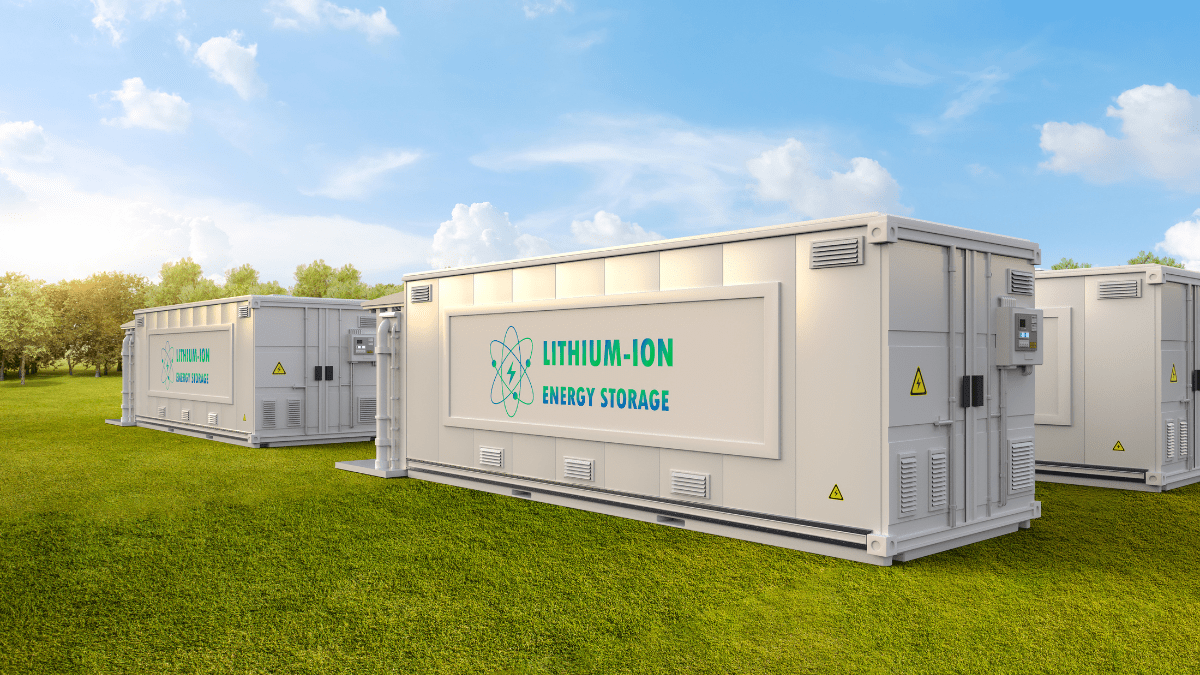
SMA Altenso has launched its first large-scale battery energy storage system in Metelen, Germany, for MEAG, with a capacity of 231 MWh.
Why it matters: SMA isn't just selling you inverters anymore; they are competing for the same grid connections and institutional capital you need for your own pipeline.
The Hardware Trap and the Pivot to Development
For years, the industry joke was that SMA stood for 'Still Making Adjustments.' But there’s nothing funny about their latest move. By commissioning a 231 MWh BESS in Metelen, SMA Altenso has officially transitioned from being a component supplier to a direct competitor in the project development space. This isn't just about selling Sunny Central Storage inverters; it's about capturing the fat margins of the EPC and O&M lifecycle that hardware manufacturers have traditionally left to their customers. When margins on hardware get squeezed by Tier-1 Chinese competition, you stop selling the shovel and start digging for the gold yourself.
Why Metelen Matters
North Rhine-Westphalia is the industrial heart of Germany, and with the Kohleausstieg (coal phase-out) accelerating, the grid is screaming for flexibility. SMA isn't just picking a random spot on the map; they are targeting a high-volatility node where frequency restoration reserves (FCR) and automatic frequency restoration reserves (aFRR) are becoming the primary revenue drivers. For the local installer or mid-sized developer, this is a signal: the 'easy' storage sites are being swallowed by the giants who own the technology stack.
The Institutional Stamp of Approval
The involvement of MEAG—the asset management arm of Munich Re and ERGO—is the ultimate de-risking signal. When the world’s largest reinsurers start buying 200MWh+ battery assets, the 'technology risk' argument is officially dead. If you are still pitching BESS to C&I clients as an 'emerging tech,' you’re behind the curve. MEAG’s entry proves that large-scale storage is now a standardized infrastructure asset class, no different from a toll road or a wind farm.
Survival Guide for Independent Developers