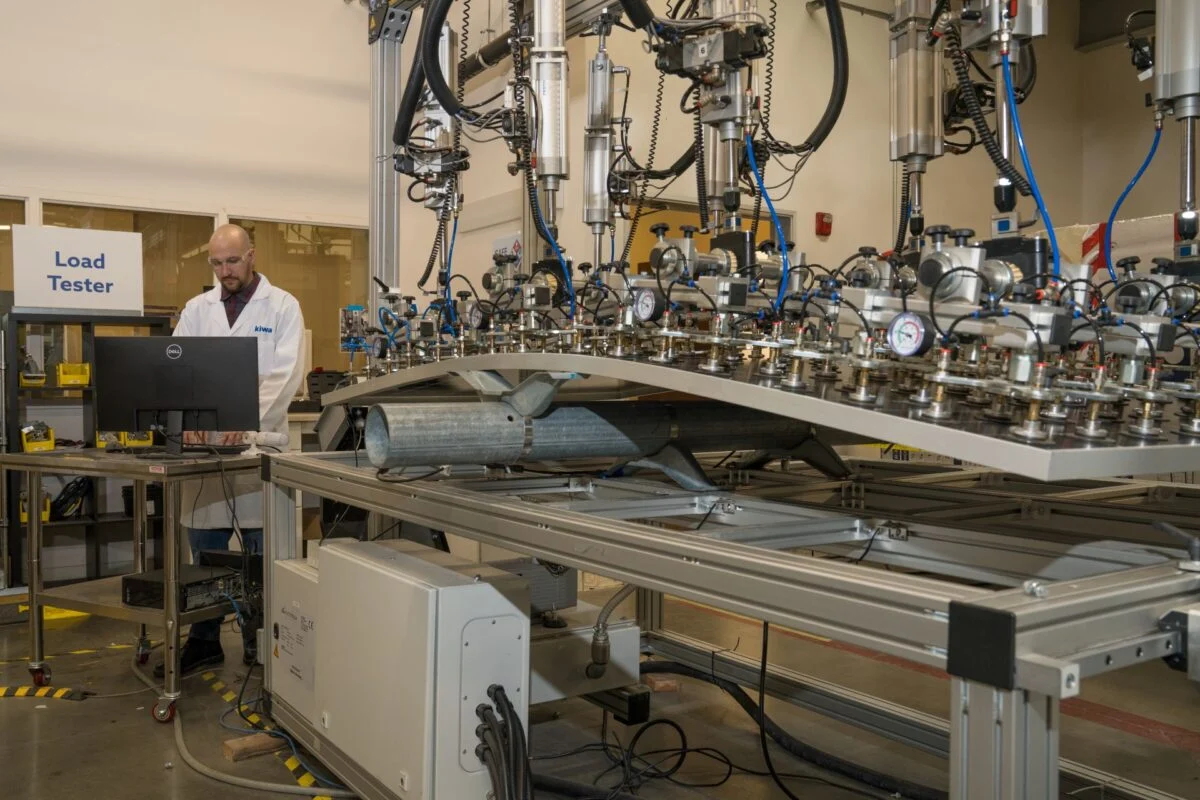
For the fourth year in a row, Kiwa PVEL’s 2026 Module Reliability Scorecard registered a record high in module test failures.
Why it matters: Record failures mean the 'Tier 1' label is no longer a guarantee of quality—verify your BOM or prepare for a wave of warranty claims.
We’ve reached a dangerous inflection point in the PV industry where "Tier 1" branding has become a marketing shield for mediocre engineering. The Kiwa PVEL data confirms what every seasoned O&M manager in Germany or Benelux has suspected: the frantic race to TOPCon (Tunnel Oxide Passivated Contact) technology is leaving a trail of reliability wreckage in its wake.
The TOPCon Transition Trap
Everyone is chasing that extra 1-2% efficiency, but they’re ignoring the sensitivity of the N-type architecture. TOPCon is notoriously susceptible to moisture ingress and Potential Induced Degradation (PID). When manufacturers are forced to sell modules at €0.10-€0.12/Wp just to clear inventory, quality control is the first thing that gets thrown overboard. We aren't just seeing minor power drops; we are seeing 41% of manufacturers in the PVEL report experiencing at least one failure during testing. That is a staggering statistic for an industry that promises 30-year lifespans.
The EPC's Liability Nightmare
If you are an installer in Europe, you are the one standing in front of the customer when that string stops producing in five years. You cannot rely on a manufacturer’s warranty if the manufacturer has gone bankrupt or simply refuses to acknowledge a systemic batch failure. I’ve seen this play out before during the early days of PID in 2012—except now, the scale is 10x larger. Bill of Materials (BOM) consistency is dead. A manufacturer might send you a 'Top Performer' module for your 5MW project in Spain, but the actual glass-backsheet combination you receive could be entirely different from the one PVEL tested.