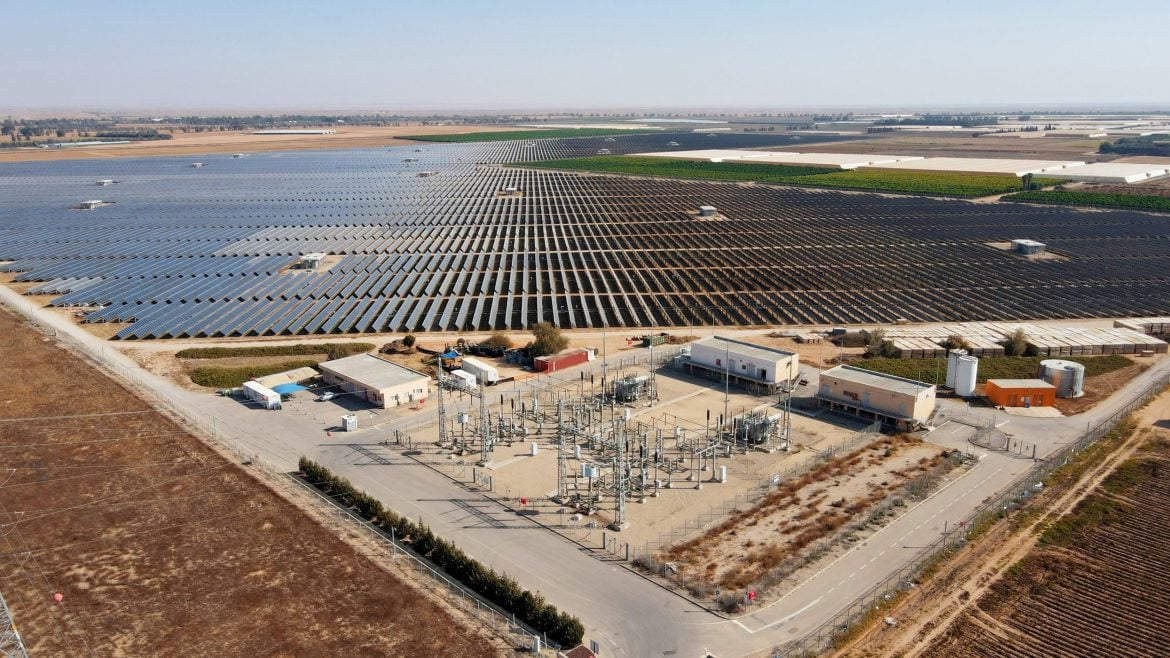
Enlight Renewable Energy has signed a 15-year power purchase agreement (PPA) with Google for a 200MWac solar offtake in Oklahoma.
Why it matters: The era of selling 'raw' solar is ending; if your project doesn't account for 24/7 hourly matching, your long-term valuation is at risk.
Enlight is playing the global arbitrage game, and they're winning because they understand a fundamental shift in Big Tech's psyche. While this deal is stateside, the strategy is a direct mirror of what’s hitting the European market. Google isn't just looking for green electrons anymore; they are obsessed with 24/7 Carbon-Free Energy (CFE). For a developer like Enlight—who also has a massive footprint in Spain and the Balkans—this 15-year commitment is a signal that 'pay-as-produced' contracts are becoming a legacy product.
The Granularity Trap for EU Developers
In the EU, the revision of the Renewable Energy Directive (RED III) is pushing us toward more granular tracking of energy. If you are a developer in Poland or Germany, your future 'Google-grade' client won't care about your total annual yield. They will care about your production at 8:00 PM on a Tuesday in November. A 200MW solar-only play like this Oklahoma deal is likely just one piece of a broader portfolio optimization where Google uses its sophisticated AI to match load. If you’re a mid-sized European player, you can’t compete on Google’s level of data, but you can compete on hybridization.
Stop Selling Electrons, Start Selling Time
We’ve seen this pattern before with the early wind booms in the North Sea. The winners weren't those who built the most turbines, but those who understood the balancing market. For the European installer or C&I developer, the takeaway is stark: if you are still pitching 'solar only' to corporate clients, you are leaving the most profitable part of the stack—the flexibility premium—to companies like Enlight. Your next 50MW project needs a software and storage strategy, or you're just building a stranded asset for the 2030s.