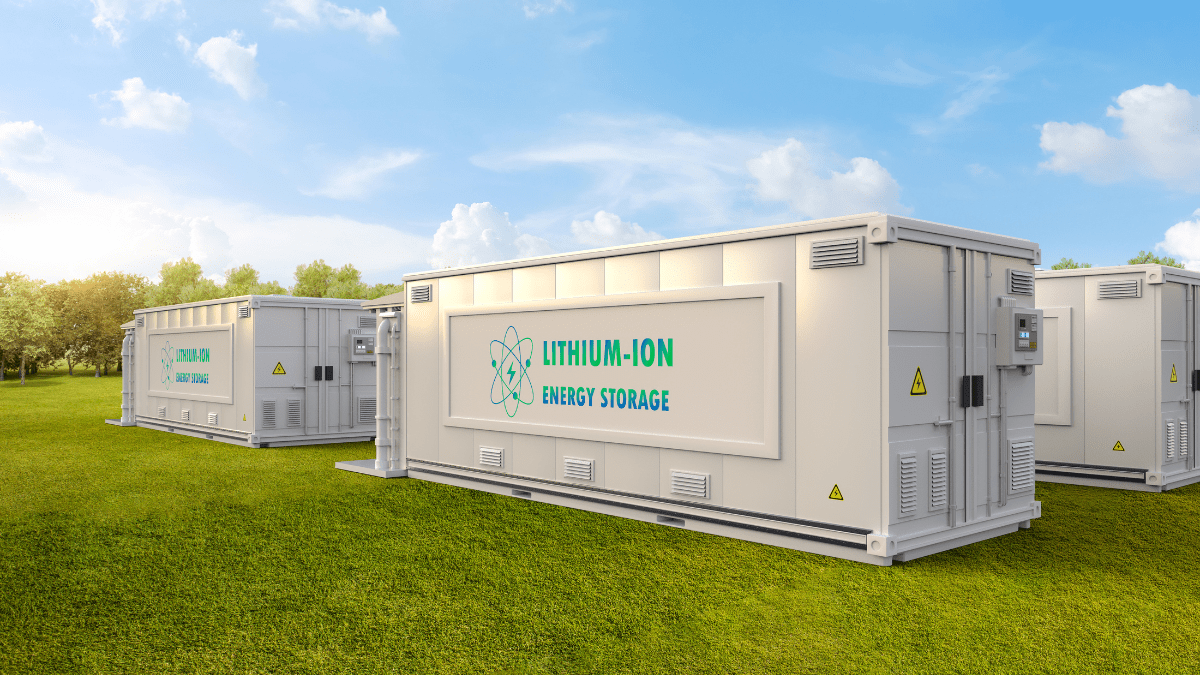
Nordic Solar has successfully commissioned its first co-located Battery Energy Storage System (BESS) project in Tiste, Germany. The facility, featuring 11 MW / 22 MWh of capacity, integrates solar power with energy storage, enhancing grid stability and efficiency.
Why it matters: Standalone solar in Germany is a financial suicide mission; co-located storage like Tiste is now the only way to protect your asset's long-term PPA value.
The 'Cannibalization' Crisis is Here
If you're still building standalone PV in Germany without a BESS strategy, you're essentially donating power to the grid for free during peak hours. Nordic Solar's 11 MW / 22 MWh project in Tiste isn't just another commissioning; it’s a direct response to the brutal reality of the German spot market. With negative prices occurring with increasing frequency—sometimes for hundreds of hours per year—the 2-hour storage duration is quickly becoming the absolute floor for utility-scale projects.
The Logic of the 2-Hour Stack
Why 22 MWh for 11 MW? Because the 1-hour "frequency response" play is getting crowded and volatile. To make these projects bankable under the EEG 2023 framework, you need more than just a quick burst of power. You need the ability to shift production away from the midday price canyon. Nordic Solar is leaning into the 1:2 ratio, which is the sweet spot for the Innovationsausschreibung (Innovation Tenders). These tenders provide a fixed premium on top of market revenue for plants that combine renewables with storage, essentially de-risking the merchant exposure that would otherwise kill the ROI.
A Warning for Mid-Cap Developers
Bottom line: Nordic Solar is signaling that the era of "dumb" PV in the DACH region is over. If your 2025 pipeline doesn't have at least a 1:2 power-to-energy ratio, your financial models are likely based on a market that no longer exists.