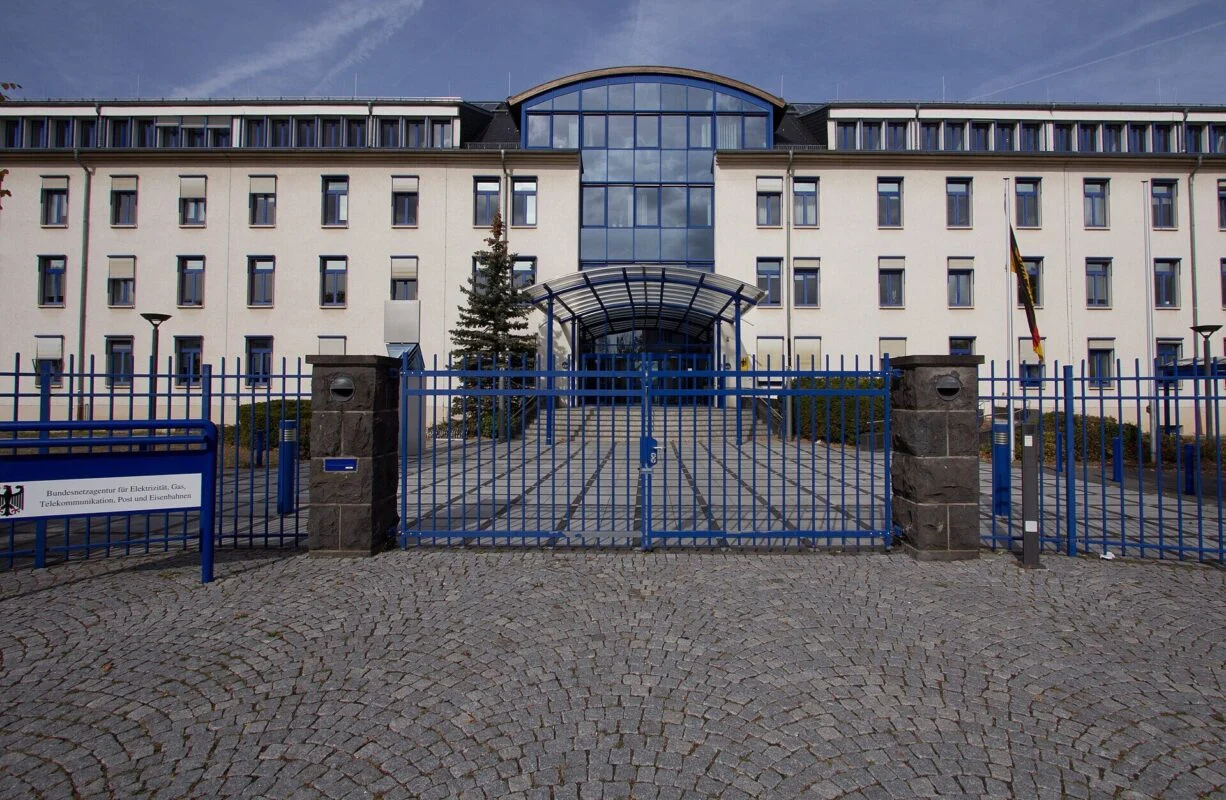
Germany's energy system regulator has confirmed that BESS projects coming online by 4 August 2029 will be exempt from charging and discharging grid fees, opening up investment again after months of uncertainty.
Why it matters: The 2027 FID deadline creates a two-year sprint; if you don't secure your grid connection and financing now, your storage ROI will be crushed by double grid fees.
The BNetzA finally stopped playing chicken with the storage industry. For months, developers in Germany have been frozen, unable to close financing because the exemption from double grid fees (Netzentgelte)—the lifeblood of front-of-meter storage—was dangling in regulatory limbo. By confirming the extension of § 118 Abs. 6 EnWG, the regulator has theoretically saved the business case for utility-scale batteries. But look closer at the fine print: the 2027 Final Investment Decision (FID) deadline is a ticking time bomb.
The Arbitrage Math Doesn't Lie
In the German market, grid fees can easily add 2 to 5 cents per kWh to your operating costs. When you’re playing the arbitrage game on the EPEX Spot market, where spreads are tightening as more storage comes online, that fee is the difference between a 12% IRR and a project that barely services its debt. This exemption isn't a bonus; it’s the entire floor of the investment model.
A Warning for Late Movers
We’ve seen this pattern before with the EEG solar subsidies. The rush to beat the 2029 commissioning deadline will lead to a bottleneck in high-voltage transformer availability. If you are a developer sitting on a pipeline of 20MW+ projects, the 2029 deadline is a distraction—the 2027 FID is your real hurdle. If you haven't locked in your financing and grid agreement by then, your project's valuation will fall off a cliff overnight as those grid fees suddenly reappear on the balance sheet.