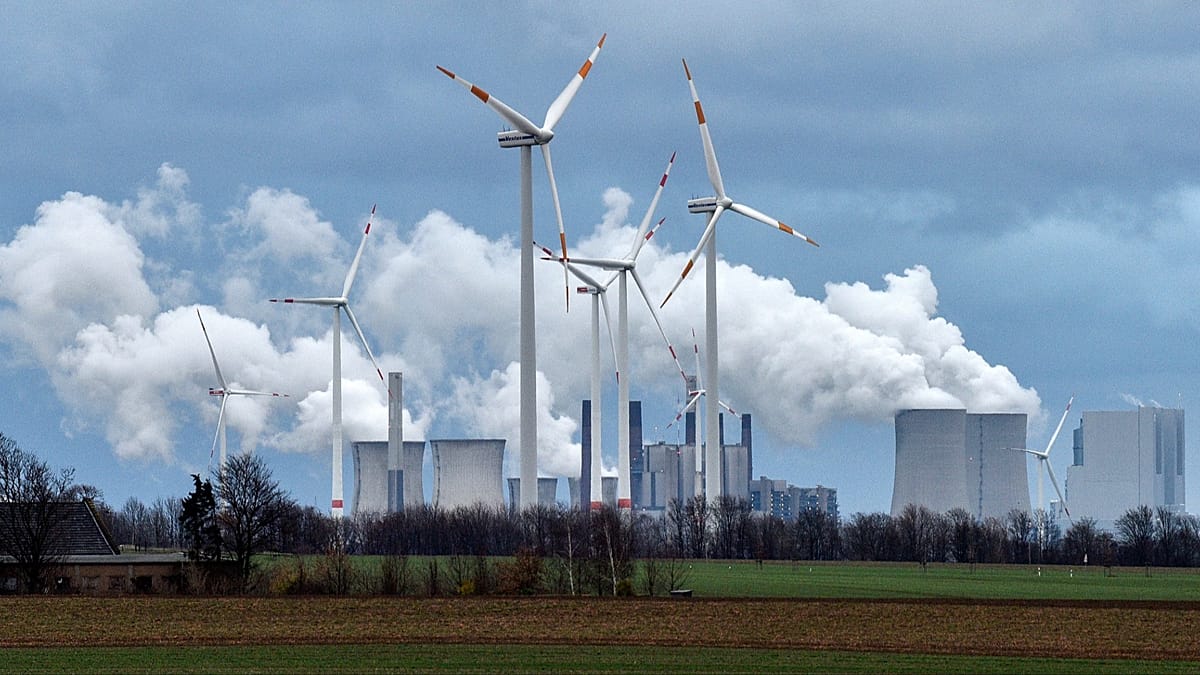
Time is running out for EU powerhouses to change their ways, or risk missing legally-binding commitments to cut greenhouse gas emissions.
Why it matters: Germany's gridlock is driving up customer acquisition costs; if you aren't pivoting to high-margin BESS and hybrid systems now, you're fighting for scraps.
The Permitting Paradox
We’ve all seen this movie before. Berlin announces a 215 GW solar target for 2030, the industry cheers, and then a project developer in Brandenburg spends three years waiting for a grid connection study. Germany’s failure isn't a lack of ambition or capital—it’s a chronic inability to reform Section 14a of the EnWG and streamline the municipal planning process. While Germany self-flagellates over debt brakes and protectionist manufacturing subsidies, Spain has quietly built a machine for utility-scale deployment.
Why Spain is Winning the Capex Race
The updated PNIEC (National Integrated Energy and Climate Plan) in Spain isn't just a document; it’s a reality reflected in the €45/MWh PPA prices we’re seeing. Spain has the land, the irradiance, and critically, a faster permitting track for projects over 50MW. For an installer in Munich, this news is a warning: the German market is becoming a BESS (Battery Energy Storage System) and 'behind-the-meter' game by necessity. If you aren't integrating storage into every commercial quote, you're building systems that the grid will eventually throttle.
The Cannibalization Catch-22
However, Spain’s success is a double-edged sword. With solar frequently providing 100% of demand during peak hours, capture prices are cratering. I’ve spoken with developers in Seville who are seeing merchant tail-risk that would make a banker faint. The lesson for the rest of Europe? Deployment speed without storage is a recipe for value destruction. Germany might miss its 2030 targets because of bureaucracy, but Spain might 'smash' its targets only to find that without 15-20GW of new storage, the ROI on those last 5GW of PV is nonexistent. If you're building in the North, watch Spain—not for their speed, but for how they handle the price cannibalization that is coming for all of us.