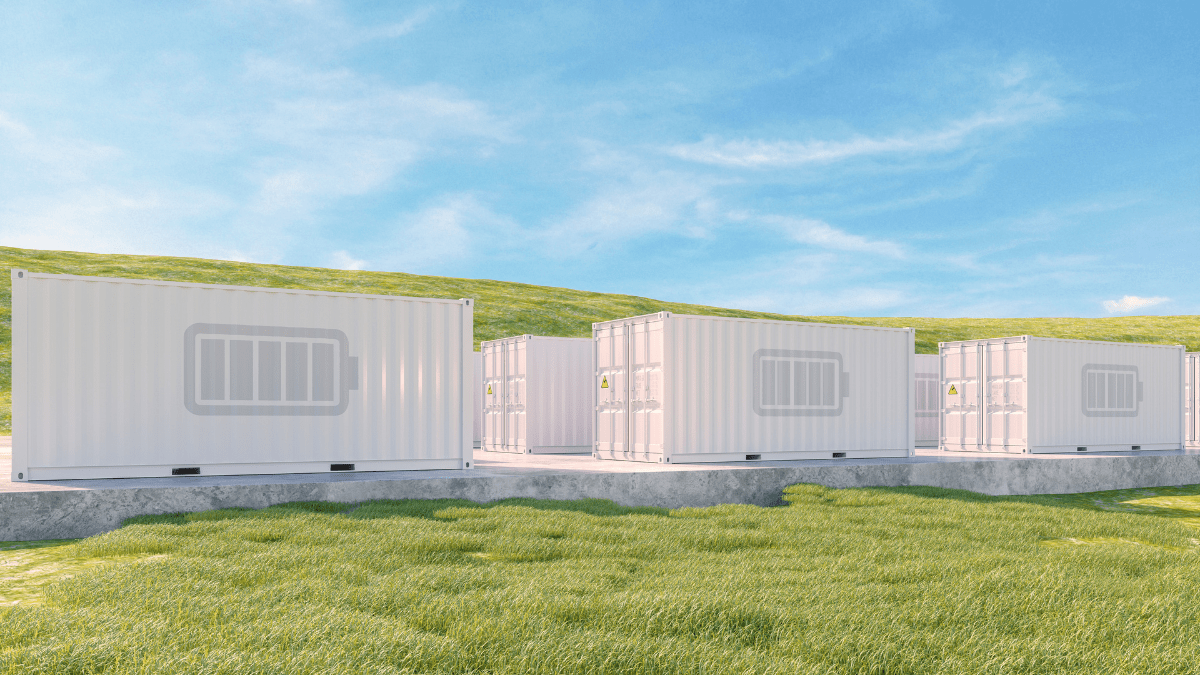
HyperStrong has partnered with ERS Energy and Gamuda to develop the MyBeST Pekan Battery Energy Storage System Project in Malaysia, targeting a capacity of 100MW/440MWh.
Why it matters: The 4-hour storage standard has arrived; if your utility-scale pipeline is still built on 2-hour systems, your ROI projections are already outdated.
HyperStrong bagging a 440MWh project in Malaysia might seem like far-flung news, but the 4.4-hour duration is a massive signal for European developers currently wrestling with the cannibalization of frequency response revenues. We are rapidly moving past the era where a 1-hour or 2-hour "grid-stabilizer" was enough to make the IRR work in a competitive market. This is a pure energy-shifting play, and it’s the exact blueprint we’re starting to see in auctions across Italy and Greece.
The 4-Hour Standard is the New Benchmark
For years, European installers focused on the UK model—short, sharp bursts of power to balance the grid (FFR/DC). But as those markets saturate and prices crater, the profit shifts to time-shifting bulk solar power from midday to the evening peak. HyperStrong’s ability to deliver a 100MW/440MWh system shows that Chinese integrators have optimized the 4-hour LFP (Lithium Iron Phosphate) architecture to a point where it’s bankable even in emerging markets with tight margins. If you’re still pitching 2-hour systems to C&I clients in Iberia or Germany, you’re selling them a legacy asset that will be obsolete before the warranty expires.
The Competitive Landscape: HyperStrong isn't just a cell manufacturer like CATL; they are a sophisticated integrator. This deal in Pekan puts them in direct competition with the likes of Fluence and Tesla for large-scale EPC contracts. For a European project developer, this means two things: deeper downward pressure on BESS hardware pricing and a new Tier-1 contender to include in your RFPs when the usual suspects are backlogged by 18 months.
Keep an eye on that 4.4-hour ratio. In the EU, the upcoming MACSE (Mechanism for the Procurement of Electricity Storage Capacity) in Italy is practically designed for this exact configuration. HyperStrong is essentially using Malaysia as a high-stakes rehearsal for the European utility-scale blitz. If they can make the math work there, they will be aggressive on pricing when they land in Rotterdam.