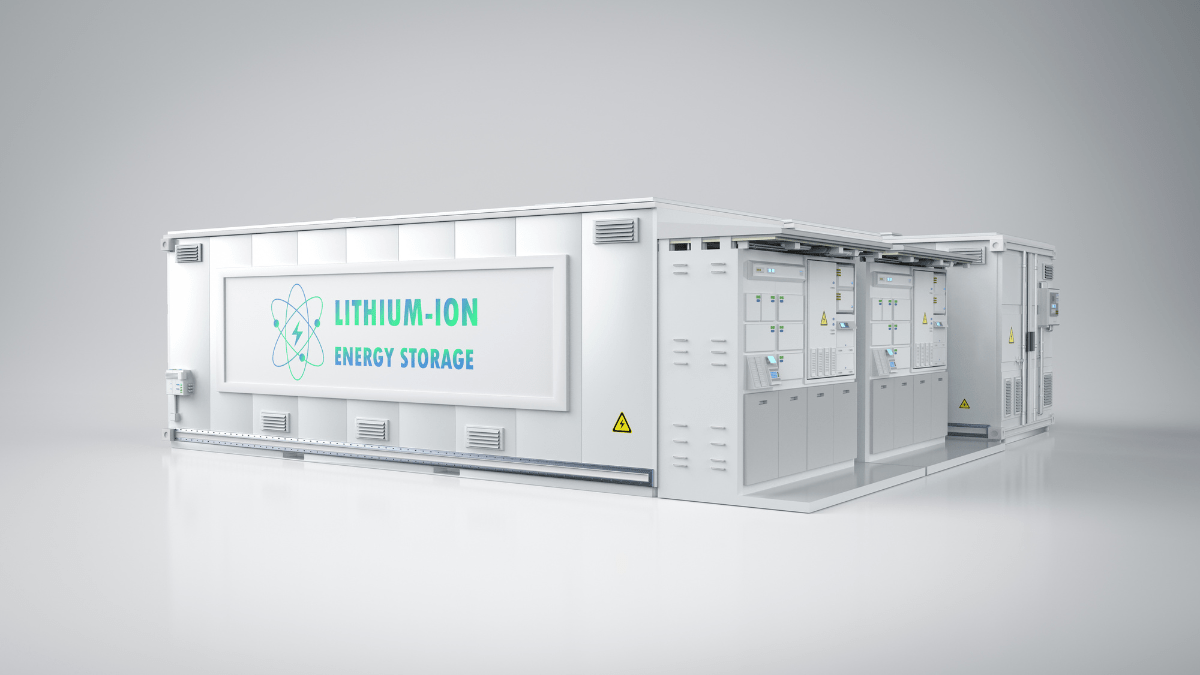
This expansion increases the total to 245.536 MW/1103.392 MWh, emphasizing the company's commitment to renewable energy infrastructure in India.
Why it matters: The 4-hour duration benchmark is the new global standard for utility-scale BESS; if your project pipeline is still stuck on 2-hour durations, your Capex math is already obsolete.
If you're sitting in an office in Madrid or Berlin thinking that a 35 MW battery expansion in Rajasthan is just 'local news,' you’re missing the forest for the teak trees. ACME Solar’s push to a cumulative 1.1 GWh capacity isn't just about Indian grid stability; it’s a massive signal about the global pivot toward 4.5-hour duration storage. This is the exact shift currently hitting the European market, from the UK’s T-4 capacity auctions to Italy’s MACSE mechanism.
The 4-Hour Benchmark is the New Minimum
Notice the ratio: 34.6 MW to 155.5 MWh. That’s a 4.5-hour duration. For years, European installers and developers played in the 1-hour to 2-hour sandbox, focusing on frequency response and fast-acting grid services. Those days are numbered. As solar penetration increases across the EU, the 'duck curve' is becoming a canyon. To survive, you need to shift energy, not just stabilize frequency. If you aren't already redesigning your C&I and utility-scale proposals around 4-hour LFP (Lithium Iron Phosphate) stacks from the likes of CATL or BYD, you're building yesterday's technology.
Supply Chain Gravity
Why does Rajasthan matter to a developer in Portugal? Because of procurement gravity. When developers like ACME Solar or Adani Green scale up to GWh-level projects, they monopolize the production lines of top-tier cell manufacturers. This project uses the same high-density cells that every European EPC is currently trying to source for 2025/2026 delivery. Massive deployments in India and China create a pricing floor that prevents the 'battery price crash' many European buyers are waiting for.
Stop Selling Power, Start Selling Duration
The lesson for the field? Stop pitching 'a battery' and start pitching 'time-shifted solar.' Whether it's a 100kW system for a German manufacturer or a 50MW plant in Greece, the ROI is moving away from shaving peaks and toward avoiding the 18:00–21:00 price spikes. ACME’s 1.1 GWh footprint is proof that the smart money has moved past 1C discharge rates and is now betting on the long game.