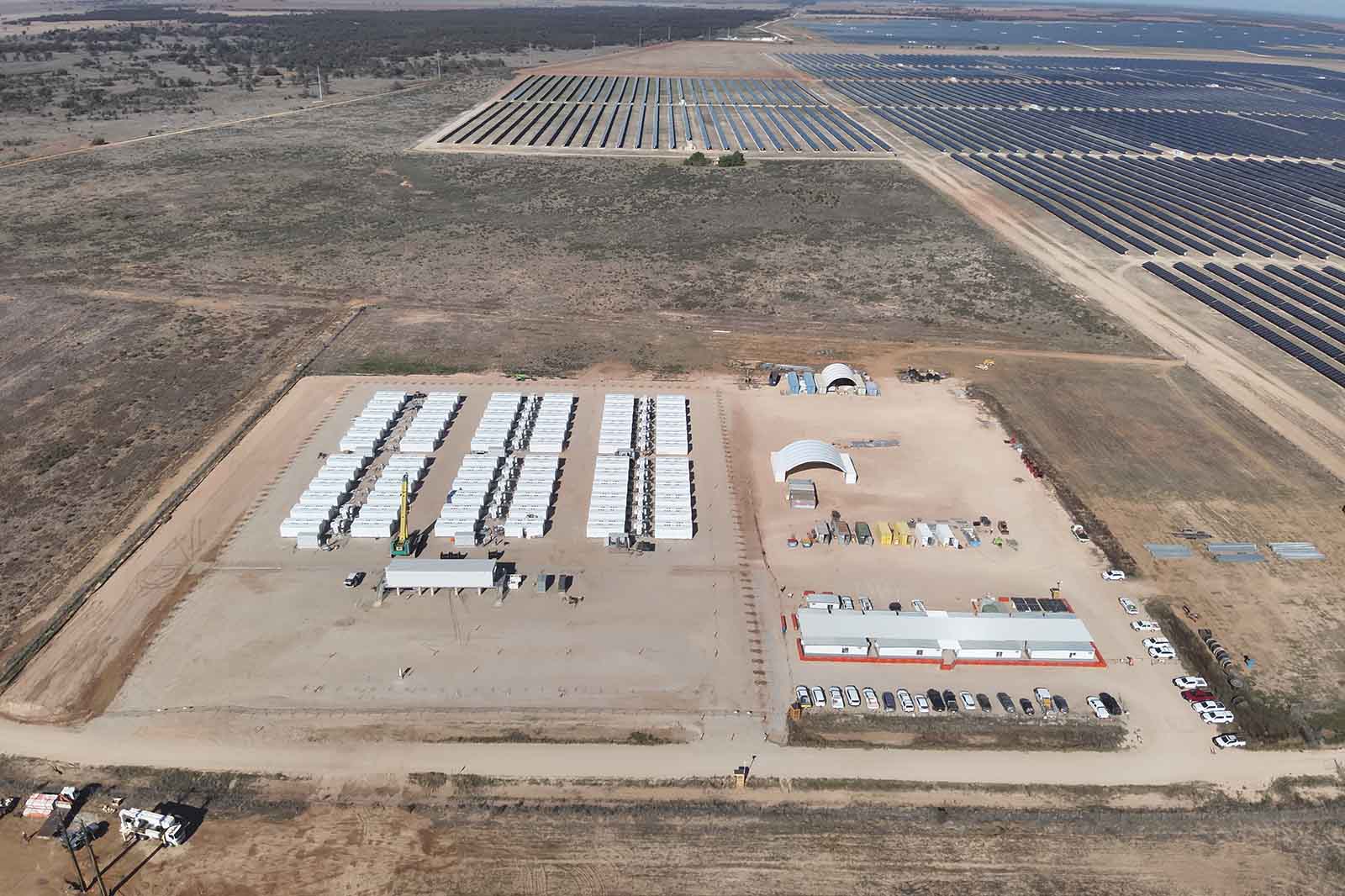
RWE has received official sign-off from the AEMO and Transgrid to operate Australia's first 8-hour BESS at full capacity.
Why it matters: Stop chasing tiny margins in frequency response; 8-hour storage is how you'll solve solar cannibalization and secure long-term PPA bankability.
If you're still pitching 2-hour BESS for large-scale projects because that’s what your distributor stocks, you’re building yesterday’s solution. RWE’s 50MW/400MWh Limondale project isn't just an Australian milestone; it’s a high-stakes field test for the shifting economics of the European energy transition. RWE—a German powerhouse—is using the Australian outback as a sandbox to master Long-Duration Energy Storage (LDES) because they know what’s coming for the European mainland.
The Death of the 2-Hour Arbitrage
In markets like the Netherlands, Germany, and Spain, we are seeing solar capture prices plummet during peak production hours. A 2-hour battery is a scalpel designed for frequency regulation (FCR/aFRR), but it is a useless tool when you need a sledgehammer to move a midday solar glut to the evening peak. As RED III mandates kick in and the EU moves to phase out gas peakers, the 8-hour duration becomes the only way to make a PPA bankable in a cannibalized market.
For developers in Italy or Poland, the lesson is clear: LCOE is being replaced by LCOS (Levelized Cost of Storage) over longer durations. While a 400MWh setup sounds massive, the falling price of LFP cells—dropping significantly over the last 12 months—means the CapEx for an 8-hour system is no longer the deal-breaker it once was. Transgrid’s approval proves that grid operators are finally getting comfortable with deep-cycle assets providing the firming capacity we used to get from coal.