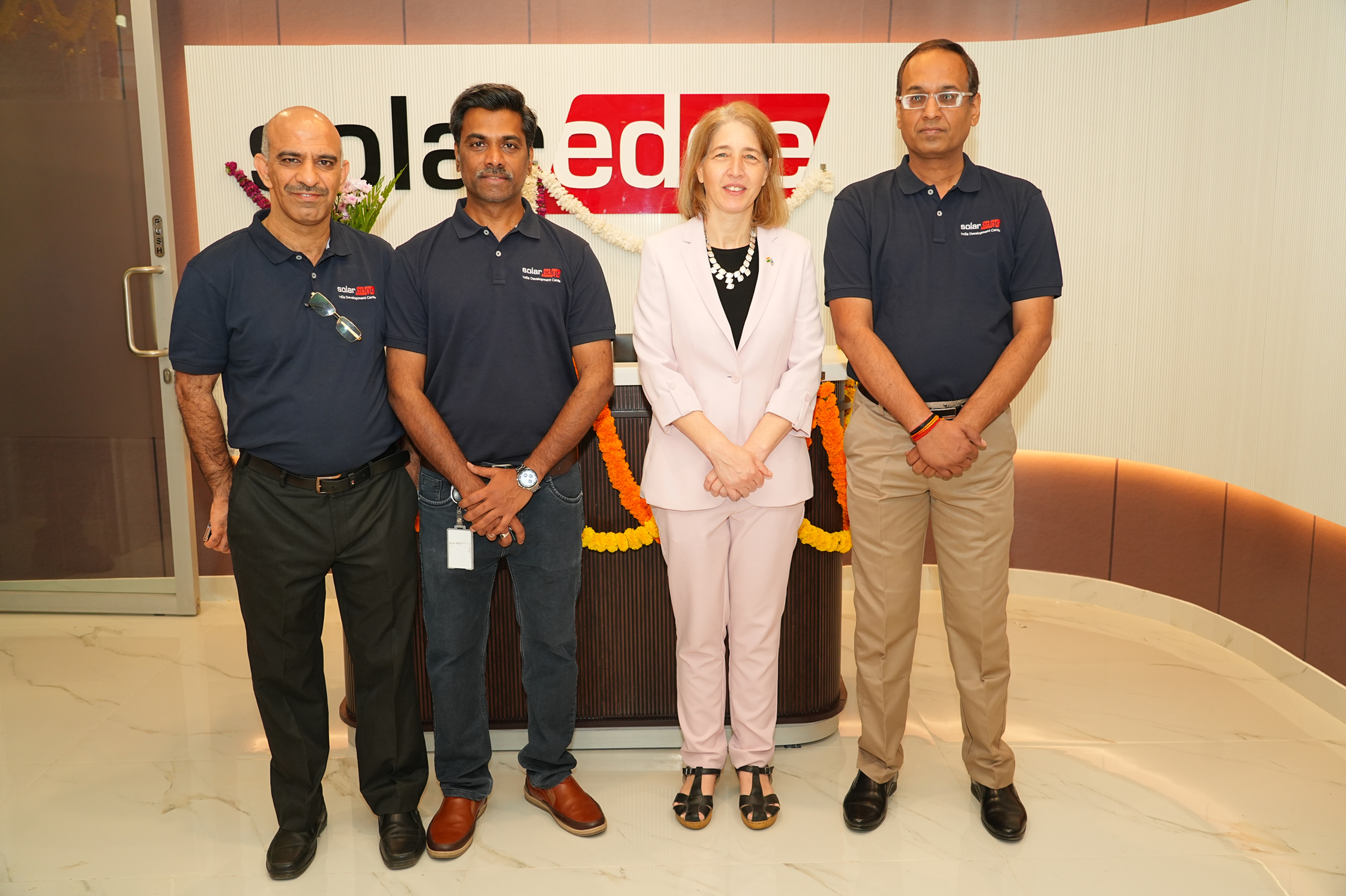
This facility aims to enhance global product development and collaboration while focusing on next-generation power electronics and smart energy technologies.
Why it matters: Your future margins depend on SolarEdge fixing its software reliability and lowering hardware costs to compete with Tier 1 Chinese brands.
Let’s cut through the corporate ribbon-cutting fluff. SolarEdge isn’t just opening a building in Bangalore because they like the climate; they are doing it because the math for high-cost R&D in Israel and the US no longer pencils out in a post-subsidy, high-interest-rate world. After the brutal 16% workforce reduction we saw in early 2024, this move to India is a strategic shift to lower the R&D burn rate while trying to keep pace with Enphase and the looming threat of Huawei’s rapid-fire product cycles.
The Software-First Survival Strategy
For the installer on a roof in Munich or a project manager in Utrecht, this news isn't about the hardware—it's about the firmware. We’ve all been there: waiting 45 minutes on a support line because a Home Hub inverter won't commission or a battery firmware update hangs at 99%. By tapping into Bangalore’s massive software engineering pool, SolarEdge is signaling that their future isn't just in silicon and copper, but in the orchestration layer. In Germany, Section 14a of the EnWG is already demanding better grid-interactive controls. If this new R&D center can’t deliver seamless VPP (Virtual Power Plant) integration and rock-solid commissioning apps, the location won't matter.
Margin Compression vs. Talent Acquisition
There is a specific money angle here that installers should watch. SolarEdge’s margins have been squeezed by the massive inventory glut in Europe. To recover, they need to innovate faster without the overhead of Silicon Valley salaries. Bangalore offers a deep bench of power electronics engineers who understand GaN (Gallium Nitride) and SiC (Silicon Carbide) technologies—essential for the next generation of smaller, more efficient inverters. If this move helps SolarEdge bring a competitive, high-efficiency hybrid inverter to market at a 15% lower price point, it’s a win for your bottom line. If it’s just a cost-cutting exercise disguised as 'global innovation,' your RMA pile isn't going anywhere.