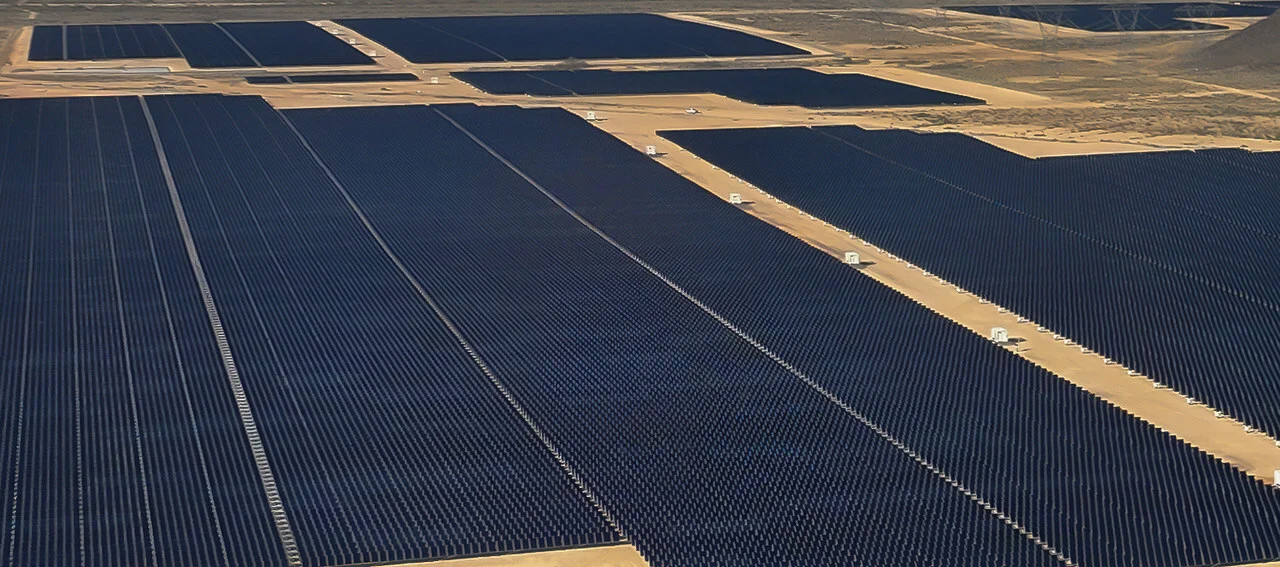
Government policy and market factors are the main conditions encouraging the co-location of renewable generation projects and BESS.
Why it matters: In a market of negative prices and grid congestion, a solar plant without BESS is a ticking financial time bomb for your clients.
Let’s stop pretending that 'policy' is some benevolent guiding hand. In the European context, the 'market factors' mentioned are actually a polite way of saying your solar-only project is currently eating itself. We are entering the era of self-cannibalization. In April 2024, Germany saw power prices plunge to -€50/MWh during peak solar production hours. If you’re an EPC delivering a 10MW plant without a battery, you aren't building a power plant; you're building a liability that pays to stay on the grid.
The DC-Coupling Efficiency Trap
Many developers are still half-heartedly 'BESS-ready,' which usually means they left some space on a concrete pad and have a vague plan for AC-coupling later. That’s a rookie mistake. With LFP cell prices crashing below $60/kWh in China, the math has shifted toward aggressive DC-coupling at the inverter level. Using something like the Sungrow PowerTitan or Huawei’s string-BESS architecture allows you to capture clipped energy that would otherwise be lost to the ether. If you aren't capturing that 10-15% of peak production, your IRR is a fantasy.
The Regulatory Stick
Brussels isn't just suggesting storage; they are mandating flexibility through the EU Electricity Market Design (EMD) reform. We're seeing national tenders—look at Spain’s PERTE VEC or Poland’s capacity market auctions—where storage isn't a 'nice to have' bonus; it’s the prerequisite for grid connection. If you're bidding into the German Innovation Tenders (Innovationsausschreibung), the premium for co-located systems is the only thing keeping margins from being compressed into the dirt by rising land and labor costs.
The takeaway for the field engineer: Stop worrying about module efficiency of 22.5% vs 22.8%. Start worrying about your Round-Trip Efficiency (RTE) and how your BMS communicates with the local grid operator's curtailment signal. If your system can't respond to a Frequency Containment Reserve (FCR) request in under 200ms, you're leaving the most profitable €/MWh on the table.