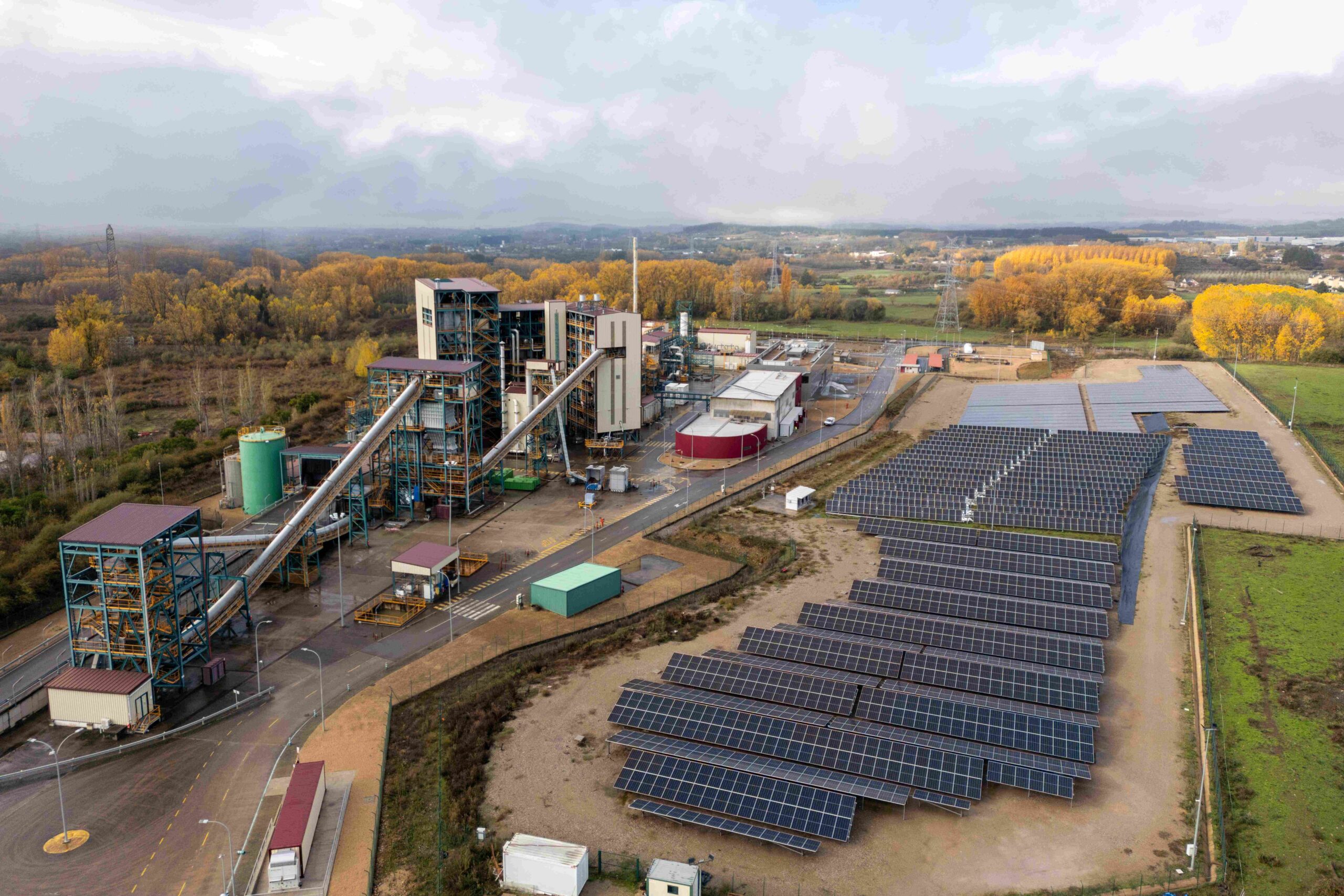
La plataforma permite ensayar múltiples configuraciones operativas y validar soluciones orientadas a la eficiencia energética, la gestión inteligente de redes y la interoperabilidad bajo estándares internacionales como IEC 61850, además de incorporar requisitos avanzados de ciberseguridad conforme a IEC 62443.
Why it matters: Proprietary EMS platforms are becoming a liability; start specifying IEC-standardized controls or risk building uninsurable, unscalable assets.
We’ve all been there: you install a high-end C&I system with a specific manufacturer’s EMS, only to find out three years later that it won't talk to the new BESS or the EV charging fleet the client just bought. It’s a legacy brick. The news out of Cubillos del Sil regarding CIUDEN’s new testbed for hybrid microgrids isn't just another academic press release; it’s a signal that the "Wild West" phase of proprietary control systems is ending.
The End of the Vendor Lock-In
For years, installers have been at the mercy of closed ecosystems. If you used SMA or Schneider, you stayed in that lane. But as we move toward complex hybrid systems—mixing PV, wind, hydrogen, and storage—the grid operators (DSOs) are going to stop asking for "smart" systems and start demanding IEC 61850 compliance. This standard is the gold standard for substation automation, and seeing it applied to microgrids in Spain means the bridge between utility-scale and distributed energy is finally being paved. If your control hardware can't speak this language, you aren't building a future-proof asset.
The Cybersecurity Tax is Coming
The inclusion of IEC 62443 in this testing platform is the real wake-up call. We’ve seen enough firmware vulnerabilities in cheap Chinese data loggers to know that solar is a soft target. Insurance companies in Germany and the Netherlands are already tightening the screws. Soon, you won't get a 10MW project financed unless you can prove the control layer meets these specific cybersecurity benchmarks. It’s no longer just about generating kWh; it’s about defending the node.