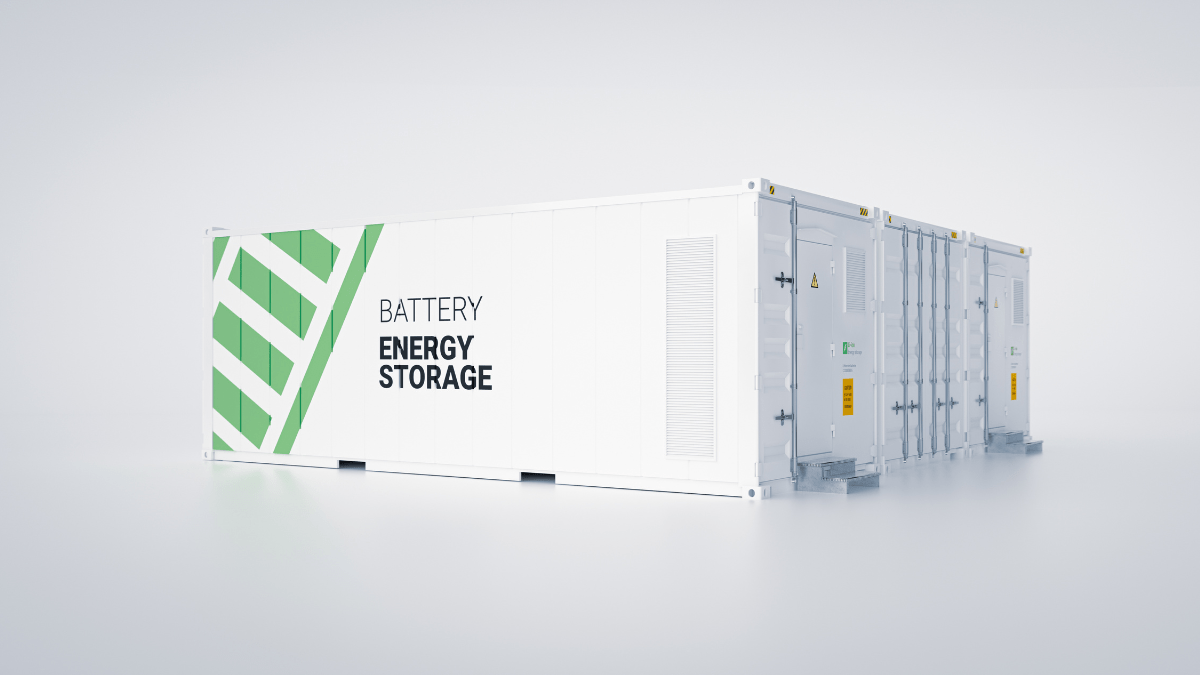
Expected to start operations in 2027, the facility will support Saudi Arabia’s Vision 2030 clean energy goals, enhance local manufacturing, and train professionals while exporting to various regions.
Why it matters: A massive Middle Eastern BESS hub provides a faster, geographically closer alternative to China, potentially lowering logistics costs and de-risking your 2027 utility-scale pipeline.
While most European installers are still obsessing over lead times from Ningbo and Shenzhen, the geographical center of the BESS supply chain just shifted. ZOE Energy’s 150-acre play in Saudi Arabia isn't just a local desert project; it’s a logistical hedge against the volatility of the South China Sea. If you're building 5MW+ front-of-the-meter projects in Greece, Italy, or Spain, this factory should be on your 2027 procurement roadmap.
The Suez Advantage
Shipping a 40ft container of LFP racks from Shanghai to Rotterdam is a 35-day odyssey subject to the whims of the Red Sea’s security climate. Manufacturing in the Kingdom slices that transit time in half. For a developer sitting on a €50M construction loan, cutting two weeks off the supply chain isn't just a convenience—it’s a massive reduction in interest-during-construction (IDC) costs. We’ve seen projects in the UK stall for months because of port congestion in the East; a Saudi export hub offers a much-needed 'Plan B' for the EMEA region.
The China+1 Strategy in Action
ZOE Energy is a smart player here. By partnering with Saudi capital (likely backed by the Public Investment Fund's ecosystem), they are bypassing the growing EU-China trade friction. If the European Commission decides to tighten the screws on Chinese-made battery cells via the Net-Zero Industry Act or future anti-subsidy duties, 'Made in Saudi' components might offer a loophole or at least a lower-tariff alternative. We saw this exact pattern with solar modules moving to Vietnam and Thailand; storage is simply following the same geopolitical playbook.
Don't expect bottom-of-the-barrel pricing on day one. But by the time this plant hits nameplate capacity in late 2027, the sheer scale—150 acres is roughly 600,000 square meters—suggests they are gunning for the €80-90/kWh price point for utility-scale enclosures. If they hit those numbers, the traditional Tier-1 players are going to have a very uncomfortable Intersolar 2028.