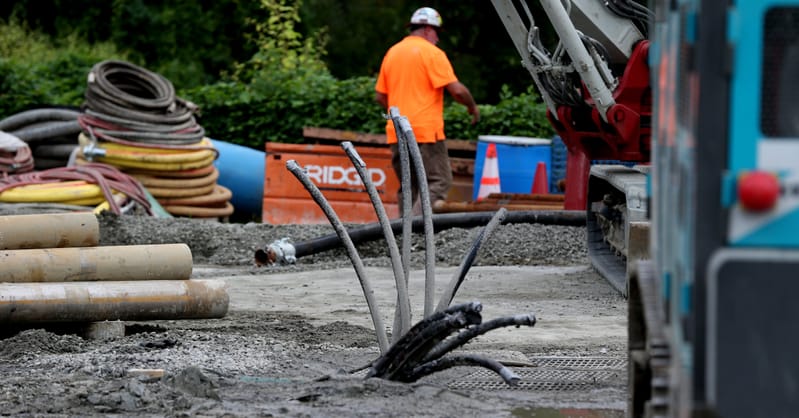
The first-of-its-kind system, owned by the state’s largest utility, Eversource, delivers warm and cool air to some 140 customers through pipes much like the ones that used to carry…
Why it matters: If the utility pipes heat directly into the house, your high-margin heat pump and oversized PV packages are dead on arrival.
While European installers are busy fighting over who gets to install the next Daikin or Viessmann unit, utilities are quietly plotting to take the entire thermal load off the table. The Eversource pilot in Massachusetts isn't just a quirky US engineering project; it’s a blueprint for the 'Thermal Utility' model that could decimate the residential PV-plus-heat-pump market in dense European suburbs. If the utility owns the pipes, you don't own the basement.
The Battle for the Basement
If you’re an installer in Germany, you’re already watching the Wärmeplanungsgesetz (Heat Planning Law) closely. These district-level geothermal networks represent the ultimate 'lock-in.' Once a municipality decides to lay thermal pipes, the business case for a 15kWp rooftop system loses its primary driver. Why? Because you’ve just removed the single largest year-round consumer of electricity—the individual air-to-water heat pump. Without that 4,000–7,000 kWh annual thermal load to justify the ROI, customers will start scaling back their PV ambitions to mere 5kWp 'hobby' systems.
Engineering Superiority vs. Installer Margins
From a purely engineering standpoint, centralized geothermal is a beast. We’re talking COPs (Coefficient of Performance) that make individual units look like vintage space heaters. But for the solar professional, this is a margin killer. We sell autonomy; utilities sell subscriptions. If Vattenfall or E.ON manages the ground loop, they own the customer relationship for the next 40 years. You become a secondary service provider rather than the primary energy partner.
The Strategic Pivot for Installers: