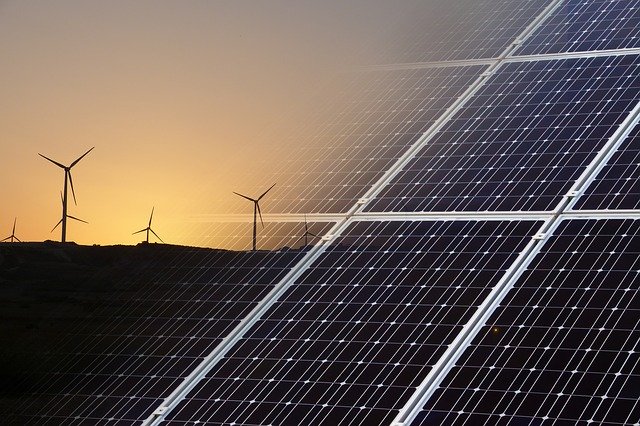
In April 2026, India generated 29,377.91 million units of renewable energy, marking a 23.2% annual growth, primarily from solar (71%) and wind (23.3%) sources.
Why it matters: India's massive scale will dictate global component pricing and lead times, while their 'solar-heavy' grid issues serve as a crystal ball for the curtailment risks now facing European developers.
The Global Gravity of 20 Terawatt-Hours
When India posts a 20.8 TWh month, European developers shouldn't just offer a polite golf clap. This is a massive absorption of global manufacturing capacity. Even with India's aggressive ALMM (Approved List of Models and Manufacturers) mandate intended to ring-fence domestic production, the ripple effects on the global supply chain for upstream materials—specifically polysilicon and silver paste—are unavoidable. If you’re an installer in Germany or the Benelux, you aren't just competing with the guy down the street; you're competing with Adani Green Energy and Reliance for the same global component pool.
The 70% Cannibalization Trap
There is a dangerous irony in solar contributing 71% of renewable generation. We’ve seen this movie before in Spain’s OMIE market and across the California ISO. When solar dominates the RE mix to this extent without a synchronized BESS (Battery Energy Storage Systems) rollout, you hit the 'curtailment wall.' In April 2026, India is likely experiencing the same midday price crashes that have gutted the ROI of merchant solar projects in Southern Europe. If the generation is hitting records but the grid can't swallow it, the 'units generated' metric becomes a vanity project rather than a business success.
The Lesson for the C&I Sector
For the European professional, the signal is clear: the pure-play PV model is a relic. India’s race toward 500 GW by 2030 is creating a blueprint for what happens when capacity outpaces flexibility. We are seeing the same pressure in the EU under the Net-Zero Industry Act guidelines. If you are still pitching 500kWp rooftop systems to C&I clients without at least a 2-hour battery storage component, you are selling them a future liability. As India’s solar share climbs, expect global inverter giants like Sungrow and Huawei to pivot their best tech and lead times toward these massive high-growth regions, potentially tightening supply for smaller European players.