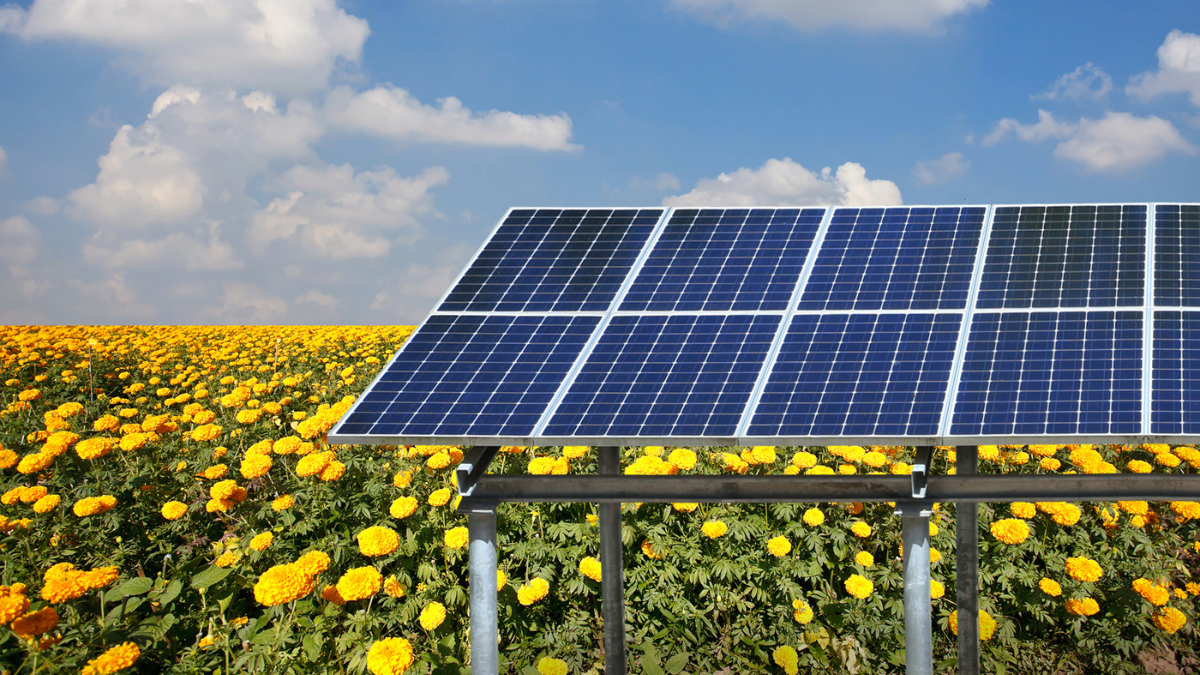
AP Rural Agriculture Power Limited (APRAPL) has applied for a Deemed Distribution Licence from the Andhra Pradesh Electricity Regulatory Commission to facilitate solar power distribution to farmers.
Why it matters: The 'Deemed Distribution' model is a blueprint for how EU regulators will eventually offload rural grid stabilization onto private solar developers.
On the surface, a licensing filing in Andhra Pradesh feels like a local matter for a developer in Munich or Madrid. But look closer at the Deemed Distribution Licence mechanism. This isn’t just bureaucratic paperwork; it’s a strategic excision of the most problematic part of the energy mix: the subsidized agricultural load.
The Containerization of Grid Risk
European grid operators (TSOs) are currently sweating over curtailment and negative pricing. Meanwhile, India is solving the inverse: how to provide 9 hours of continuous daytime power to irrigation pumps without bankrupting the state utilities (DISCOMs). By creating APRAPL, Andhra Pradesh is essentially "containerizing" its risk. They are separating the high-subsidy, high-loss rural feeders from the commercial and industrial (C&I) portfolios that actually pay the bills. If you think this doesn't apply to Europe, look at the rise of Agrivoltaics in France under the Loi d'accélération. We are seeing the same push to marry solar production directly to rural consumption to bypass mid-voltage grid congestion.
The EPC Margin Trap
The "Deemed Distribution" status allows APRAPL to bypass the usual DISCOM red tape, but it puts the onus of reliability squarely on the solar generators. For a developer or EPC, this is a loud warning: when the distribution license is tied specifically to one sector (agriculture), the margin for error on O&M is non-existent. If those pumps don't run due to an inverter failure in 45°C heat, the license—and your PPA—is at risk. We’ve seen similar "special purpose" distribution models in emerging markets fail because O&M costs for remote rural PV were underestimated by 20-30%.