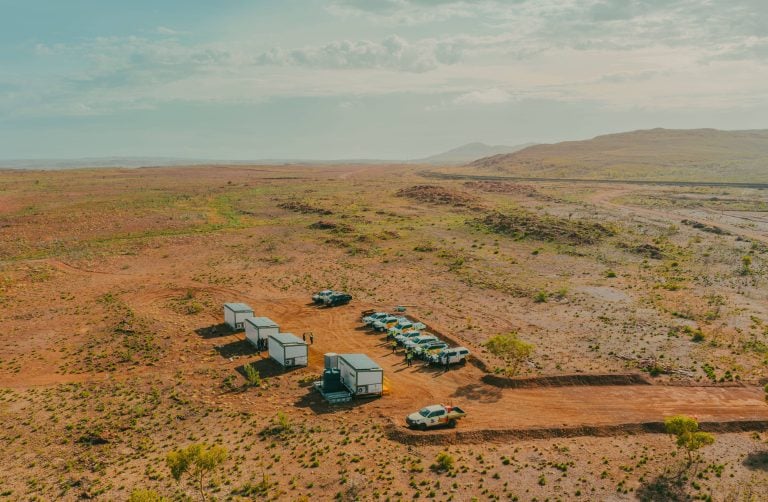
BHP and Yindjibarndi Energy Corporation (YEC) will assess potential large-scale energy solutions for iron ore operations in Western Australia's Pilbara region.
Why it matters: Land scarcity is the new module shortage; partnering with local stakeholders is no longer a PR move—it is a mandatory project de-risking strategy.
On the surface, this looks like a standard ESG press release from a mining giant. But for those of us navigating the permitting quagmire in the EU, there is a massive lesson hidden in the Australian red dust. BHP isn't just buying green electrons; they are securing a Social License to Operate (SLO). In the Pilbara, as in the Spanish countryside or the Dutch polders, the technical challenge of building 10GW of solar is secondary to the political challenge of occupying the land.
The End of 'Land Grabbing' Solar
We’ve all seen it: a developer rolls into a rural municipality in Brandenburg or Puglia with a briefcase full of CAD drawings and expects a red carpet. Instead, they get ten years of litigation and a NIMBY protest. By partnering with the Yindjibarndi Energy Corporation, BHP is acknowledging that the local community isn't a hurdle to be cleared—they are the gatekeepers of the asset. For European developers, the takeaway is clear: as we move toward the EU’s 2030 targets, the 'easy' land is gone. If your project doesn't have a local equity component or a tangible community benefit beyond a few tax Euros, your LCOE doesn't matter because your IRR will be zero while the project sits in court.
Engineering for the Extremes
From a hardware perspective, if you can make PV work in the Pilbara, you can make it work anywhere. We’re talking about 50°C ambient temperatures, abrasive iron ore dust that eats coatings for breakfast, and cyclonic winds. This is the ultimate proving ground for string inverters from the likes of SMA or Sungrow and bifacial modules that need to survive extreme thermal cycling. European C&I installers should watch these remote microgrid specs closely; the hybrid control systems required to balance a massive mining load with volatile solar/BESS output are exactly what we’ll need as heavy industry in the Ruhr valley attempts to decarbonize under CSRD (Corporate Sustainability Reporting Directive) mandates.