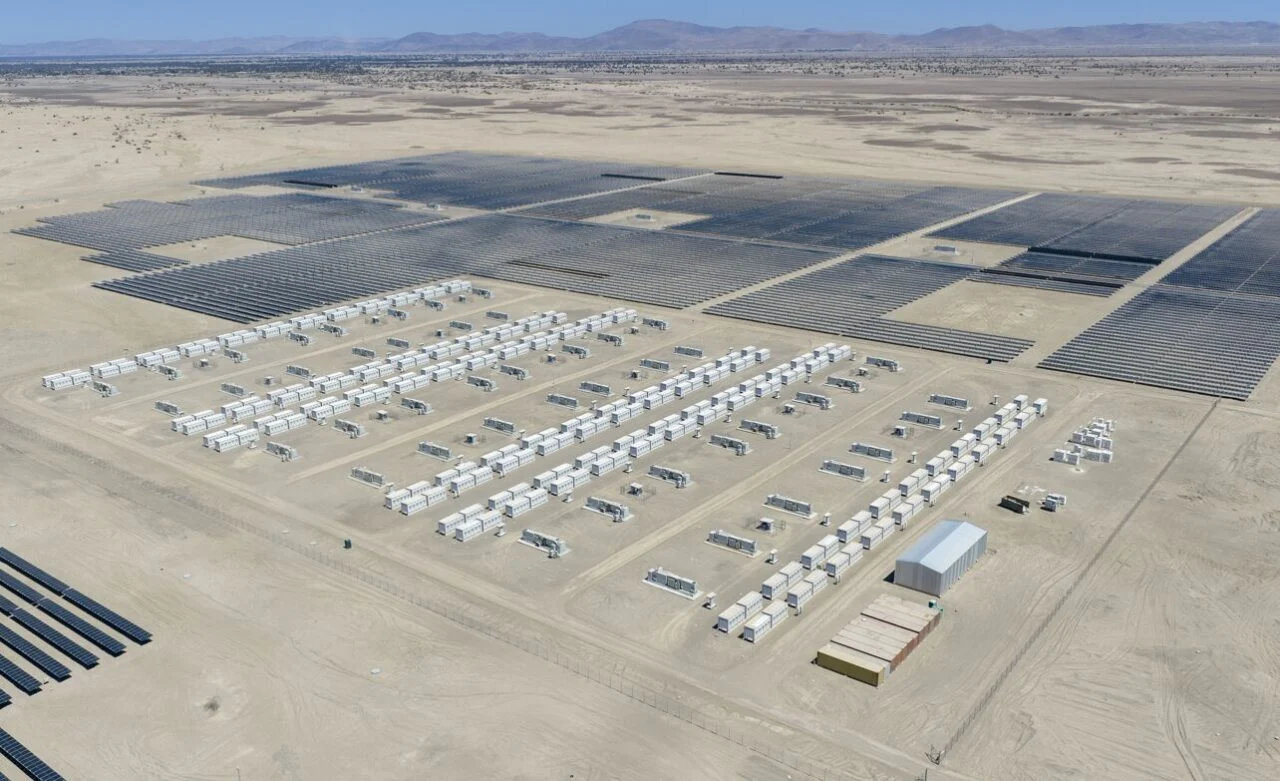
IPP ContourGlobal has put a solar-plus-storage project in Chile with a 6.5-hour BESS into commercial operation in Chile.
Why it matters: Long-duration storage is no longer a luxury; it's the only way to avoid the zero-euro capture price trap hitting EU markets.
The 6.5-Hour Standard Has Arrived
While many European developers are still patting themselves on the back for 2-hour BESS projects in the UK or Germany, ContourGlobal—backed by the private equity muscle of KKR—just dropped a 1.3GWh hammer in Chile. The headline isn't the capacity; it’s the 6.5-hour duration. This isn't a grid-balancing toy; it’s a merchant-grade weapon designed to kill the 'duck curve' once and for all.
The Chilean Mirror: Why should a developer in Seville or Milan care? Because Chile is a time machine. They hit the solar cannibalization wall years before Europe did. In the Atacama, spot prices frequently hit zero during the day. This 231MW PV plant would be a liability without that massive battery buffer. In Spain, we saw capture prices for solar plummet to nearly €0/MWh during several weekends in early 2024. If you are still modeling your IRR based on a 2-hour discharge window, you are effectively gambling that the sun will set and prices will immediately spike. Real life is messier.
The lesson for European C&I and utility-scale players is brutal: the power part of the battery is becoming secondary to the energy part. If your current EPC partner is pushing optimized 1C or 2C systems for merchant projects, they are selling you a stranded asset. We are moving toward a world where the goal is shifting bulk energy to avoid the €0/MWh trap, not just chasing fast-frequency response scraps from the TSO.