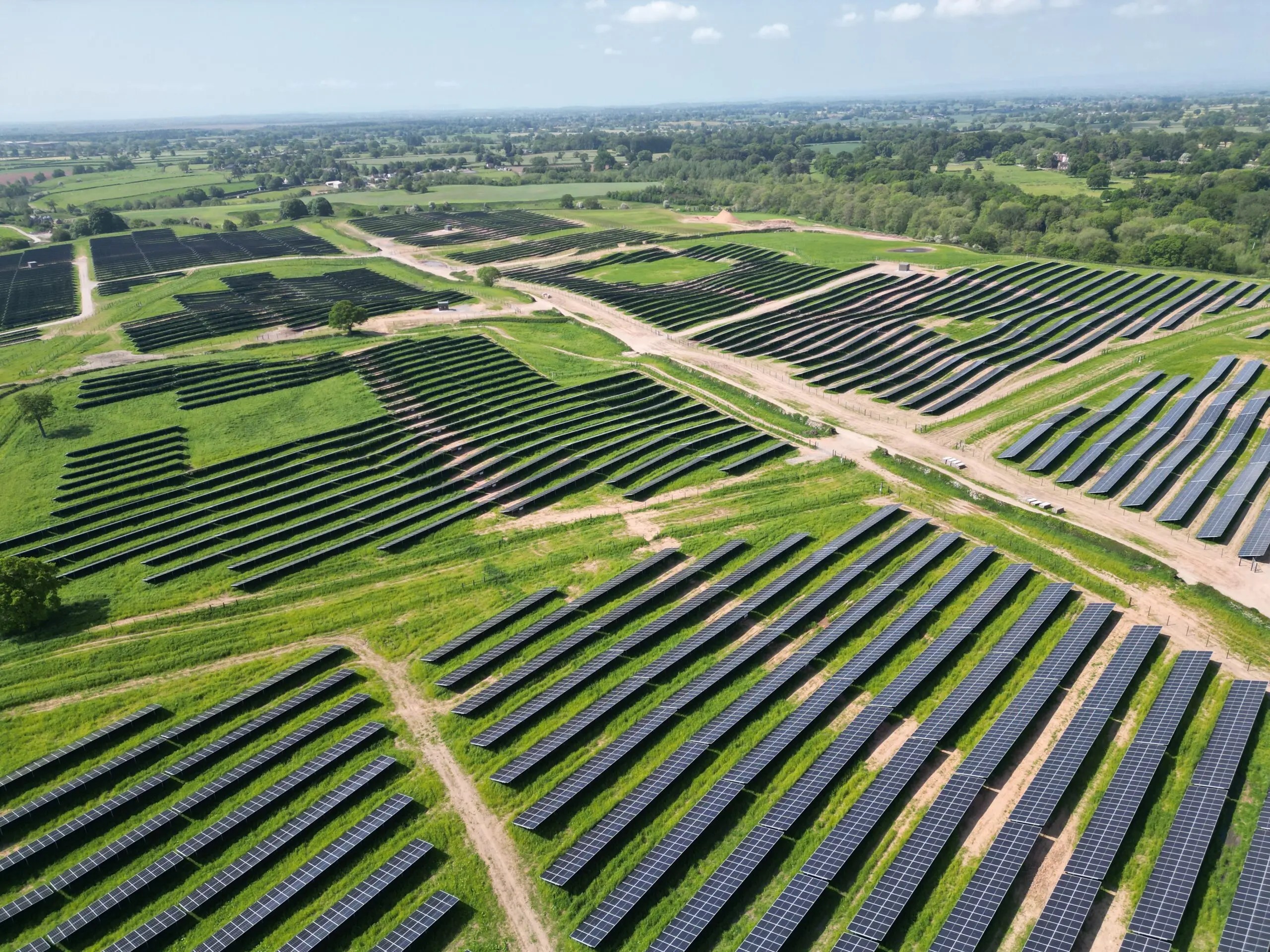
Expected to be operational by mid-2027, the project aims to enhance grid integration, provide long-term revenue stability, and meet growing renewable energy demands in the UK.
Why it matters: Grid queues are the new planning permission; if you aren't integrating storage to manage export limits, your project's IRR will be eaten by 2027's market volatility.
If you want to understand the current state of European utility-scale solar, look no further than the 2027 completion date for European Energy’s Indian Queens project. We are talking about a 68 MW project starting construction now but not hitting the grid for three years. That’s not a construction delay; that’s a grid connection queue nightmare. For installers and developers in markets like Germany or the Netherlands who complain about local transformer capacity, the UK's National Grid backlog is a sobering look at a worst-case scenario.
The Hybrid Mandate
Note the ratio: 67.96 MW of solar paired with a 95 MWh battery. This is no longer an optional "add-on" for speculative upside. In the UK’s merchant-heavy market, a solar-only site of this scale is essentially unbankable. With capture prices cannibalizing themselves during peak solar hours, the 1.4-hour duration battery is the minimum requirement to play in the Dynamic Containment or Frequency Response markets. If you’re a C&I installer in Europe still pitching "solar-only" to clients with over 500kW of roof space, you are doing them a disservice. You’re building them a stranded asset that will be curtailed or price-gouged by the end of the decade.
The Strategic Pivot
European Energy is playing the long game here. By co-locating at Indian Queens, they are bypassing the need for two separate grid applications—a tactic every developer should be using. Pro-tip: Always over-spec your AC cable capacity during the initial trenching. The cost of adding 20% more copper today is pennies compared to the cost of re-permitting and re-digging when the client inevitably wants to double their BESS capacity in 2028 because the local DNO (Distribution Network Operator) finally opened up some headroom.