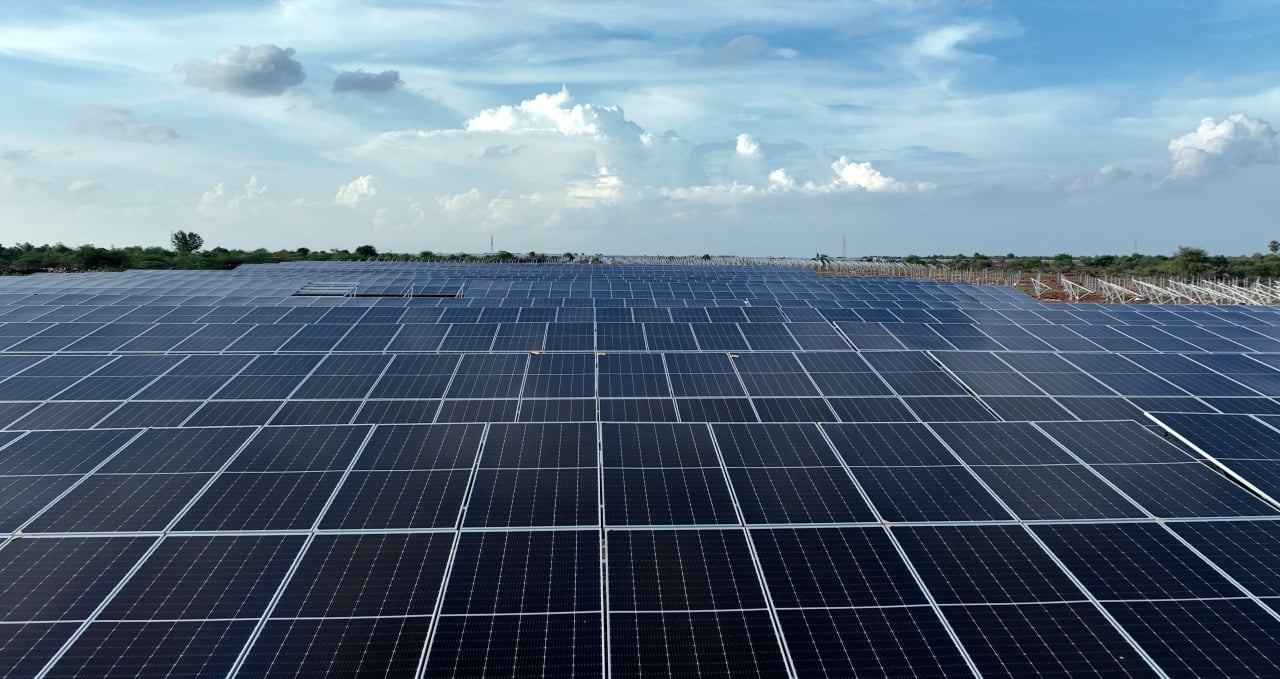
India added around 14.2GW of solar energy capacity in the first quarter of 2026, a roughly 95% increase from the previous quarter, according to Indian research firm JMK Research.
Why it matters: India’s massive manufacturing scale-up provides the necessary escape hatch for European installers to comply with new forced-labor regulations without tanking their margins.
While the EU bickers over the Net-Zero Industry Act (NZIA) and local manufacturing subsidies that often feel like too little, too late, India is moving at a velocity that should make every EPC lead in Germany or Spain sit up. Adding 14.2GW in a single quarter isn't just a local record; it’s a proof of concept for the "China+1" procurement strategy that European developers have been flirting with for years.
The Supply Chain Insurance Policy
For too long, European installers have been tethered to the price whims and geopolitical risks of the 'Big Five' in China. But India’s aggressive Approved List of Models and Manufacturers (ALMM) has forced a massive scale-up of local titans like Adani Green Energy and Waaree Energies. This 95% quarter-on-quarter jump proves their manufacturing ecosystem has finally hit an inflection point. If you’re a developer in the Netherlands or Poland looking to de-risk your portfolio from the upcoming European Forced Labor Regulation (EFLR), these Indian gigafactories are no longer "emerging"—they are your primary alternative.
Why the Math is Changing
It’s not just about panel volume; it's about the erosion of the Chinese monopoly on price. Consider the following shifts:
Stop viewing India as a distant "developing market" anomaly. If you haven't started vetting an Indian module supplier for your 2027 pipeline, you are leaving your supply chain vulnerable to the next inevitable trade spat between Brussels and Beijing.